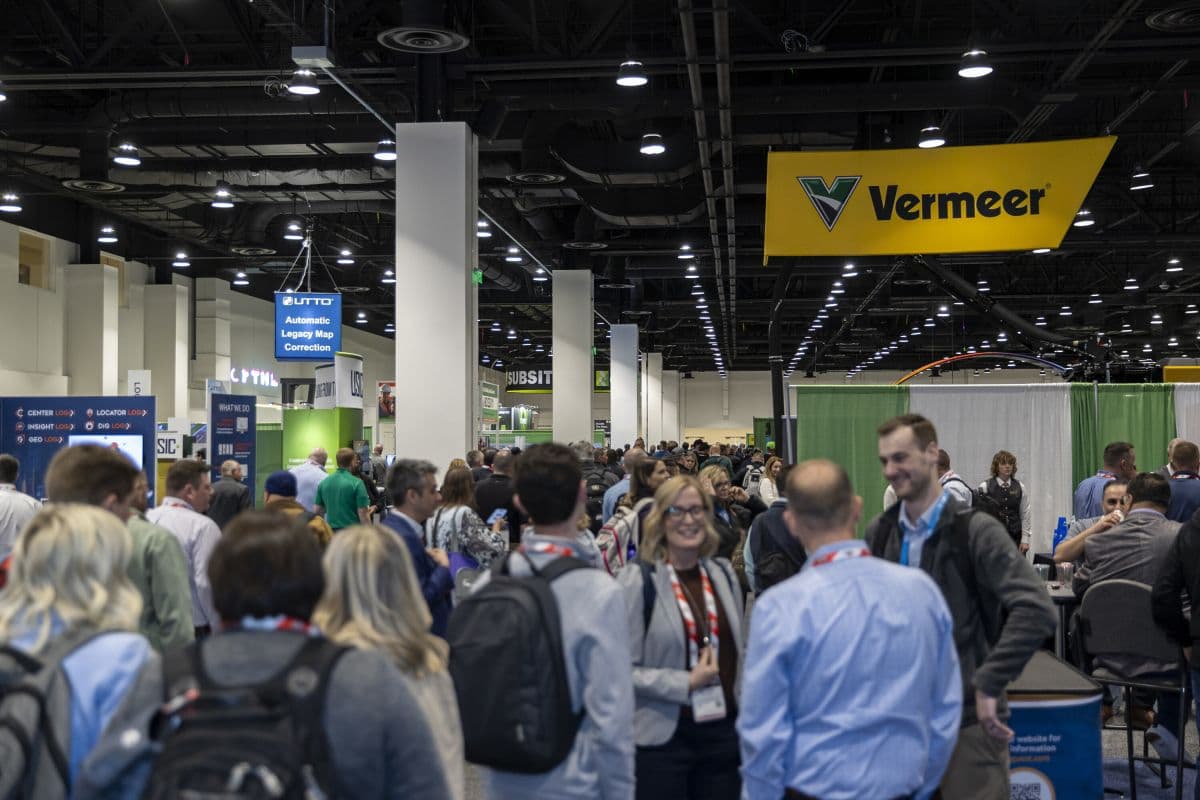
Common Ground Alliance Charts Future of Damage Prevention at 2026 Conference & Expo
Why It Matters
Utility strikes generate billions in losses and endanger lives, so the CGA gathering accelerates adoption of advanced detection tools and coordinated policies that can cut incidents. The cross‑industry collaboration signals stronger regulatory alignment and investment in preventive technology.
Key Takeaways
- •1,400 damage‑prevention leaders gathered, largest U.S. utility‑dig conference
- •Nearly 200,000 annual utility strikes cost >$30 billion in damages
- •AI, GPS radar, and vacuum excavation showcased new safety tech
- •Federal agencies NTSB and PHMSA pledged stronger cross‑sector collaboration
Pulse Analysis
Utility damage remains a hidden but costly threat to America’s infrastructure. Each year, roughly 200,000 excavation‑related strikes disrupt power, water, gas and communications, inflicting more than $30 billion in repairs and, in some cases, causing injuries or fatalities. The economic burden extends beyond direct costs, affecting emergency response, supply chains and public confidence. By convening stakeholders from every segment of the excavation ecosystem, the Common Ground Alliance’s conference shines a spotlight on the scale of the problem and the urgency of coordinated prevention.
The 2026 CGA Conference & Expo served as a showcase for next‑generation safety technologies. Sessions on artificial intelligence demonstrated how predictive analytics can flag high‑risk dig sites before crews break ground, while exhibitors displayed GPS‑enabled ground‑penetrating radar and vacuum‑excavation tools that minimize exposure to live lines. Hands‑on training, including live locate drills and a Soft Dig Central demonstration, gave participants practical experience with these innovations. Such exposure accelerates market adoption, prompting utilities and contractors to upgrade equipment and integrate data‑driven workflows that reduce human error.
Policy and regulatory alignment were also front‑and‑center, with the NTSB and PHMSA emphasizing a collaborative approach to enforcement and best‑practice development. Their presence underscores a shift toward more proactive oversight, where federal agencies work side‑by‑side with industry to embed safety standards into everyday operations. Looking ahead to the 2027 event in Tampa, the momentum built this year suggests a growing consensus that robust, technology‑enabled damage prevention is essential for protecting critical underground infrastructure and sustaining economic growth.
Common Ground Alliance Charts Future of Damage Prevention at 2026 Conference & Expo
Comments
Want to join the conversation?
Loading comments...