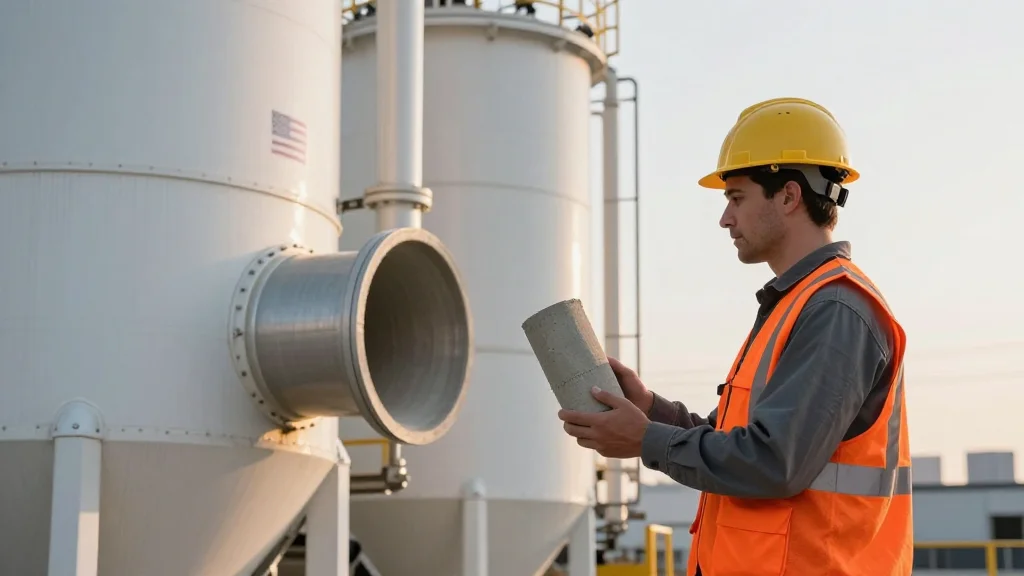
Congressman Seeks to Classify Cement as Critical National Security Material
Why It Matters
Designating cement as a critical material could lock in federal demand for U.S. cement, bolstering domestic manufacturers and safeguarding supply chains essential to national infrastructure and security.
Key Takeaways
- •Pennsylvania cement industry employs 6,000+ workers
- •$5 billion annual economic contribution from state cement sector
- •Executive order would prioritize U.S. cement in federal projects
- •Buy‑American push could reshape national infrastructure procurement
Pulse Analysis
Cement may seem mundane, but it underpins every major construction project—from highways to military bases. Recent supply‑chain disruptions have highlighted the vulnerability of relying on imported building materials, prompting lawmakers to reassess what qualifies as essential to national security. By classifying cement as a Critical National Security Material, the federal government would formally acknowledge its strategic importance and create a policy lever to protect domestic production.
The proposed executive order aligns with the broader Buy‑American agenda championed by the Trump administration. Requiring federal agencies to source U.S. cement could translate into billions of dollars of guaranteed demand, directly benefiting states like Pennsylvania that host a significant share of the nation’s cement capacity. For the Lehigh Valley and Poconos districts, the move promises job stability, potential wage growth, and a boost to ancillary industries such as trucking and aggregates. Moreover, it may encourage investment in modernizing plants, reducing emissions, and improving product quality to meet stricter federal specifications.
Industry leaders have welcomed the initiative, arguing that formal recognition would level the playing field against cheaper foreign imports and stimulate innovation. However, critics warn that mandating domestic sourcing could increase project costs and strain budgets if supply cannot meet heightened demand. The outcome will hinge on how the executive order balances security objectives with fiscal responsibility, and whether it spurs complementary policies—like tax incentives or infrastructure funding—that ensure a resilient, competitive U.S. cement sector for decades to come.
Congressman Seeks to Classify Cement as Critical National Security Material
Comments
Want to join the conversation?
Loading comments...