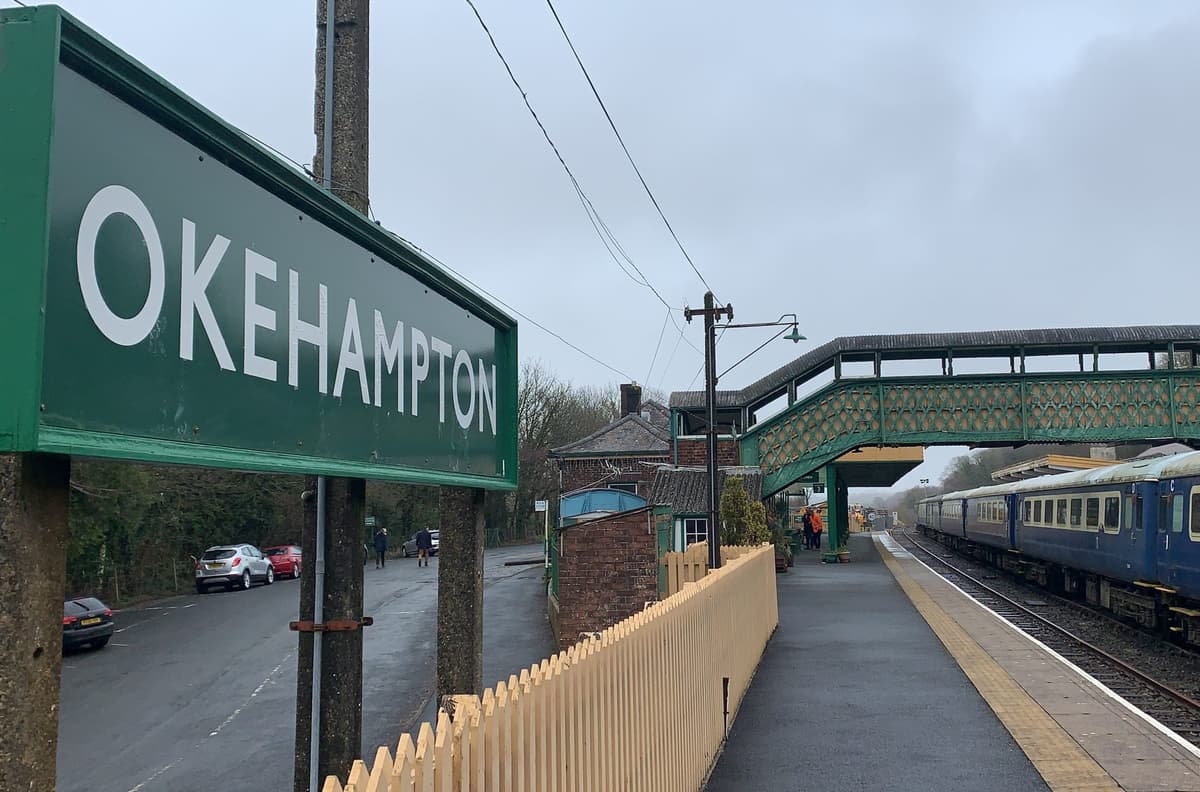
Cornwall to Devon Rail Feasibility Study Gets Green Light
Why It Matters
The corridor would dramatically improve north‑Cornwall and west‑Devon connectivity, unlocking economic growth, reducing car dependence, and enhancing freight resilience across the peninsula.
Key Takeaways
- •Cornwall Council launches feasibility study for Okehampton‑Penzance rail
- •Proposed line aims 200 km/h speed, full electrification
- •Travel time from Truro to London could drop to 2.5 hours
- •Project targets improved freight capacity and regional connectivity
- •Completion expected between 2040 and 2050
Pulse Analysis
The north‑Cornwall and west‑Devon transport gap has long constrained regional development, with residents relying heavily on private cars for work, health care and tourism. By aligning the new Kernow Connect line with the existing A30 corridor, planners aim to deliver a high‑speed, electrified rail link that integrates seamlessly with bus services, offering a public‑transport alternative that could reshape commuting patterns and stimulate local economies.
At the heart of the proposal is a 200 km/h, fully electrified railway capable of carrying both fast passenger trains and heavy freight. This dual‑purpose design mirrors national projects such as Northern Powerhouse Rail, positioning the line as a strategic freight artery that can relieve road congestion on the A30 and support the peninsula’s growing logistics sector. The anticipated Truro‑London travel time of roughly 2.5 hours would place Cornwall within a viable day‑trip radius of the capital, potentially boosting tourism and attracting new business investment.
Politically, the study reflects growing pressure from MPs and campaign groups like Connect Bude to address the region’s chronic connectivity deficit. While the projected delivery window of 2040‑2050 aligns with the long lead times of mega‑infrastructure programs such as HS2, securing funding will require a compelling business case that demonstrates comparable cost‑effectiveness. If realized, the line could serve as a catalyst for broader UK rail modernization, delivering environmental benefits through reduced emissions and fostering a more resilient, integrated transport network for the South West.
Cornwall to Devon rail feasibility study gets green light
Comments
Want to join the conversation?
Loading comments...