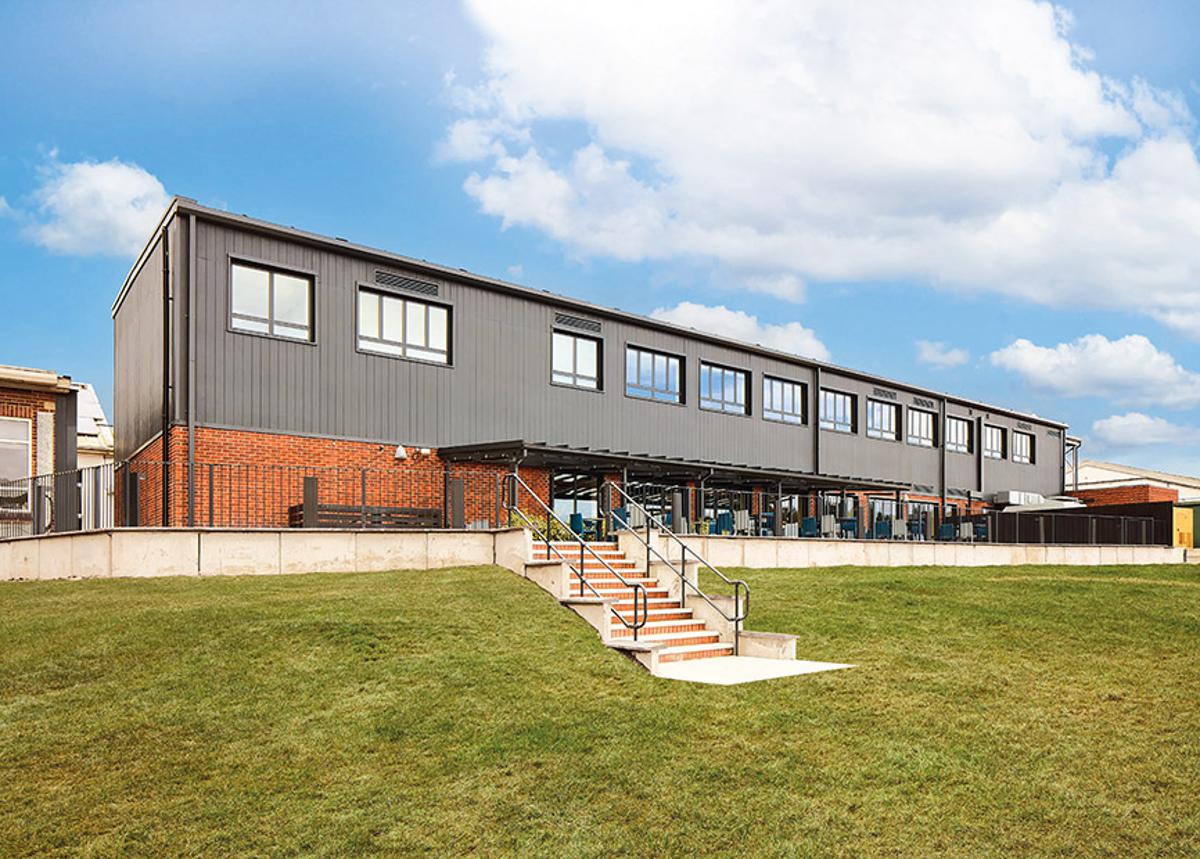
CPD: Delivering Projects with Modular Construction
Why It Matters
The shift to modular methods offers construction firms a proven way to deliver faster, safer and greener projects, helping them stay competitive amid regulatory pressure and client demand for rapid occupancy.
Key Takeaways
- •Modular builds cut project timelines by up to 50%.
- •Factory production ensures ISO‑9001 quality and lower defect rates.
- •Early BIM coordination is essential for design‑for‑manufacture success.
- •Compliance with Building Safety Act 2022 and Approved Document B is built‑in.
- •Off‑site construction can reduce embodied carbon by 40‑50%.
Pulse Analysis
The UK construction sector is under mounting pressure to accelerate delivery, address chronic labour gaps and satisfy stricter safety and environmental standards. Modern Methods of Construction (MMC) such as modular building have been codified in frameworks like the Department for Levelling Up’s MMC definition and the Building Safety Act 2022, which impose rigorous fire‑safety and performance criteria. Early engagement with manufacturers and the use of BIM for design‑for‑manufacture (DfMA) are now essential to navigate these regulatory landscapes and secure approvals without costly redesigns.
Operationally, modular construction reshapes the project timeline by enabling parallel work streams: while foundations are prepared on site, factories fabricate complete modules with integrated services. This off‑site production, governed by ISO‑9001 quality systems, delivers tighter tolerances, fewer on‑site defects and a safer work environment, as a significant share of labour moves to controlled factories. The result is reduced site overhead, predictable handover dates and lower exposure to weather‑related delays, all of which translate into measurable cost savings for developers and contractors.
Beyond speed and safety, modular methods deliver notable sustainability benefits. Optimised material usage and the ability to recycle off‑cuts cut waste, while fewer deliveries and shortened on‑site periods lower transport emissions. Lifecycle analyses show that refurbishing modular structures can slash embodied carbon by 40‑50% compared with conventional new builds. The Swansea University teaching facility—delivered in 28 weeks for roughly $6.2 million—exemplifies how modular delivery can meet tight programme constraints, maintain campus operations and provide a flexible, low‑carbon learning environment, signaling a broader shift toward greener, more resilient construction practices.
CPD: Delivering projects with modular construction
Comments
Want to join the conversation?
Loading comments...