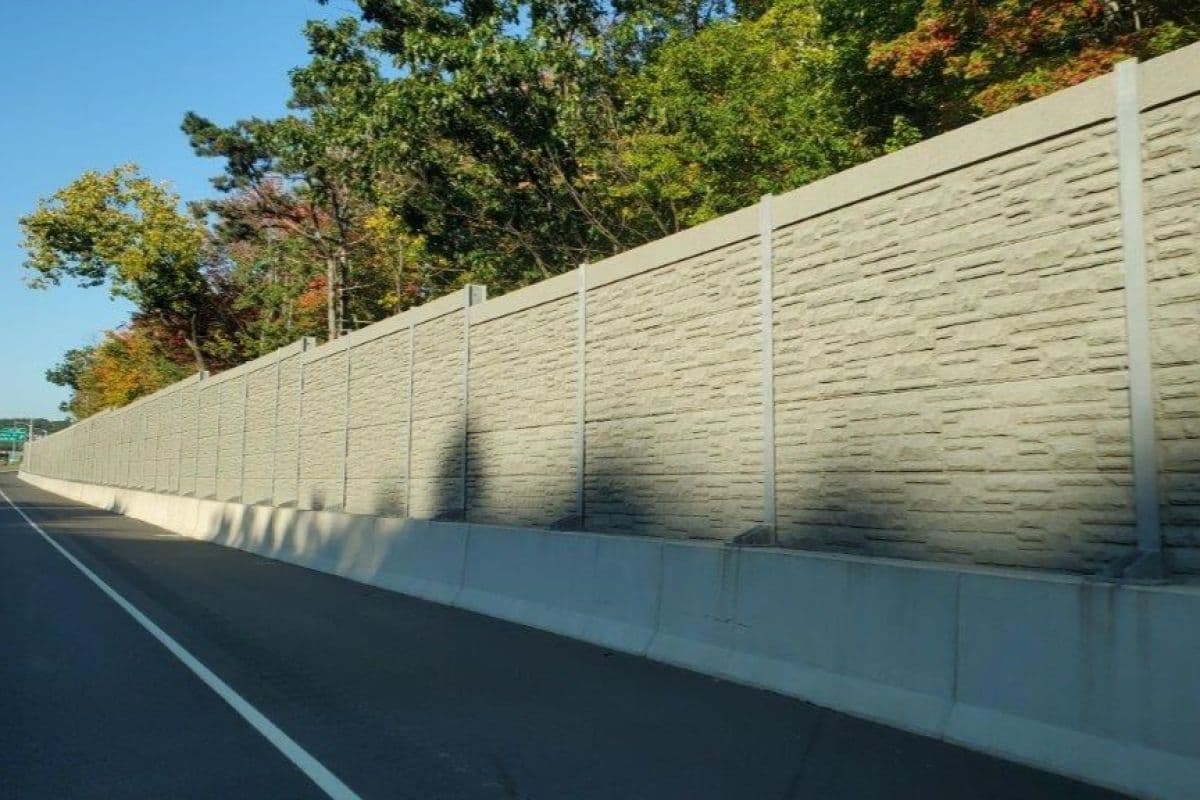
CTDOT Set to Replace Noise Barriers On I-84 Westbound
Why It Matters
Replacing aging wood barriers improves noise abatement for nearby residents and cuts future maintenance expenses, showcasing Connecticut’s commitment to resilient infrastructure.
Key Takeaways
- •CTDOT targets 6,500 ft of deteriorated wooden barriers for replacement.
- •New barriers will use concrete or durable materials, extending service life.
- •Project funded 100% by Connecticut state, no federal dollars.
- •Design completion set for fall 2028; construction slated for spring 2029.
Pulse Analysis
Noise barriers are a critical, yet often overlooked, component of highway infrastructure, serving to shield adjacent neighborhoods from traffic sound and vibration. In Connecticut, many of the original wooden structures installed decades ago have exceeded their design life, succumbing to rot and weathering. The state’s condition‑based program now prioritizes systematic replacement, aligning with modern standards that favor materials with longer service intervals and lower lifecycle costs.
The I‑84 westbound project in East Hartford focuses on two contiguous segments totaling roughly 6,500 feet. By opting for concrete or comparable high‑durability composites, CTDOT aims to deliver a barrier system that matches the existing height while offering superior resistance to environmental degradation. Funding the initiative entirely with state dollars eliminates reliance on federal appropriations and accelerates decision‑making. Residents along the corridor can anticipate a quieter environment once construction commences in spring 2029, and the agency expects reduced maintenance outlays over the next several decades.
Beyond local benefits, this replacement effort signals a broader shift in how state transportation agencies approach legacy infrastructure. As more jurisdictions confront aging wooden barriers, Connecticut’s model—leveraging condition‑based assessments, durable material choices, and full state financing—provides a replicable blueprint. The project underscores the growing emphasis on long‑term resilience and cost‑effectiveness in public works, reinforcing the state’s role as a proactive steward of its transportation network.
CTDOT Set to Replace Noise Barriers On I-84 Westbound
Comments
Want to join the conversation?
Loading comments...