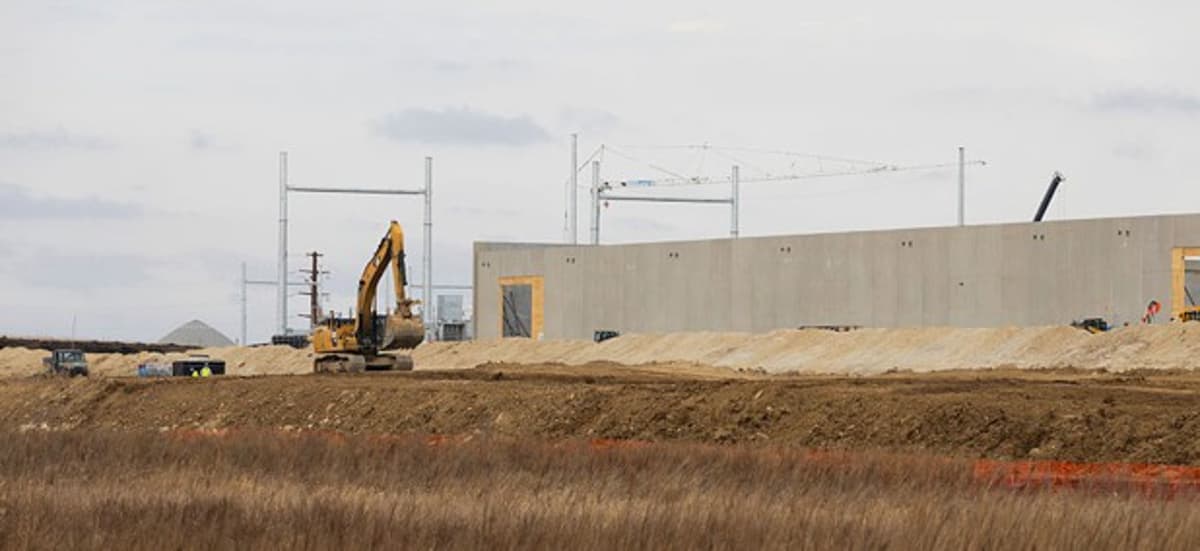
Data Center Dilemma: Who Should Decide Where They Go in North Dakota?
Companies Mentioned
Why It Matters
Without clear oversight, hyperscale data centers risk overloading the grid, eroding local trust, and limiting the state’s ability to capture sustainable economic benefits from AI infrastructure.
Key Takeaways
- •Local permits are the sole hurdle for AI data center construction in ND
- •Four western counties enacted temporary bans, some later lifted
- •PSC can advise on grid impact but lacks formal siting authority
- •Nondisclosure agreements limit public insight into project footprints
Pulse Analysis
North Dakota’s open‑door policy for AI data centers reflects a broader national scramble to attract high‑tech investment. Developers are drawn by the state’s abundant renewable energy and low land costs, yet the regulatory vacuum means projects can move from concept to construction with minimal public scrutiny. This gap has spurred a patchwork of county‑level moratoriums and ad‑hoc ordinances, prompting industry groups like TechND to advocate for standardized local guidelines rather than sweeping state mandates. The result is a fragmented landscape where each community must grapple with the same questions—environmental impact, tax incentives, and community disruption—without a unified framework.
The power grid is the silent battleground in this debate. While some facilities, such as Applied Digital’s Ellendale campus, are strategically placed to absorb excess generation, others have strained local infrastructure, exemplified by the Atlas Power Data Center’s overload in Williston. The Public Service Commission’s limited role—providing advisory input rather than approval—means grid operators often react after the fact, risking higher electricity rates and reliability concerns. As North Dakota’s renewable surplus shrinks under growing demand, proactive coordination between developers, utilities, and regulators will be essential to prevent costly congestion and ensure that AI workloads complement, rather than compromise, the state’s energy ecosystem.
Political dynamics add another layer of complexity. Farmers, ranchers, and rural residents voice concerns over land use, wildlife disruption, and opaque NDAs that silence community input. Meanwhile, state legislators wrestle with balancing economic diversification against the need for transparency and public oversight. Although a bill to require a certificate of public convenience failed, its conversion into a study signals growing legislative attention. Looking ahead, the 2027 session may address nondisclosure practices, and industry coalitions are planning town halls to educate landowners. The outcome will shape whether North Dakota can harness AI data centers as a sustainable growth engine or watch the sector become a contentious, under‑regulated frontier.
Data center dilemma: Who should decide where they go in North Dakota?
Comments
Want to join the conversation?
Loading comments...