Data Centers Just Overtook Public Transit in Spending. What Comes Next?
Why It Matters
The surge signals that digital infrastructure is now a core economic driver, forcing utilities and policymakers to balance energy needs against aging transit systems. It underscores the strategic importance of AI‑powered computing for future growth and the need for coordinated investment planning.
Key Takeaways
- •U.S. data‑center construction spending tops $50 billion, outpacing transit
- •AI-driven compute demand fuels rapid expansion of server farms
- •Utilities face added load, prompting upgrades to power and water systems
- •Construction creates temporary jobs, but operational staffing remains low
Pulse Analysis
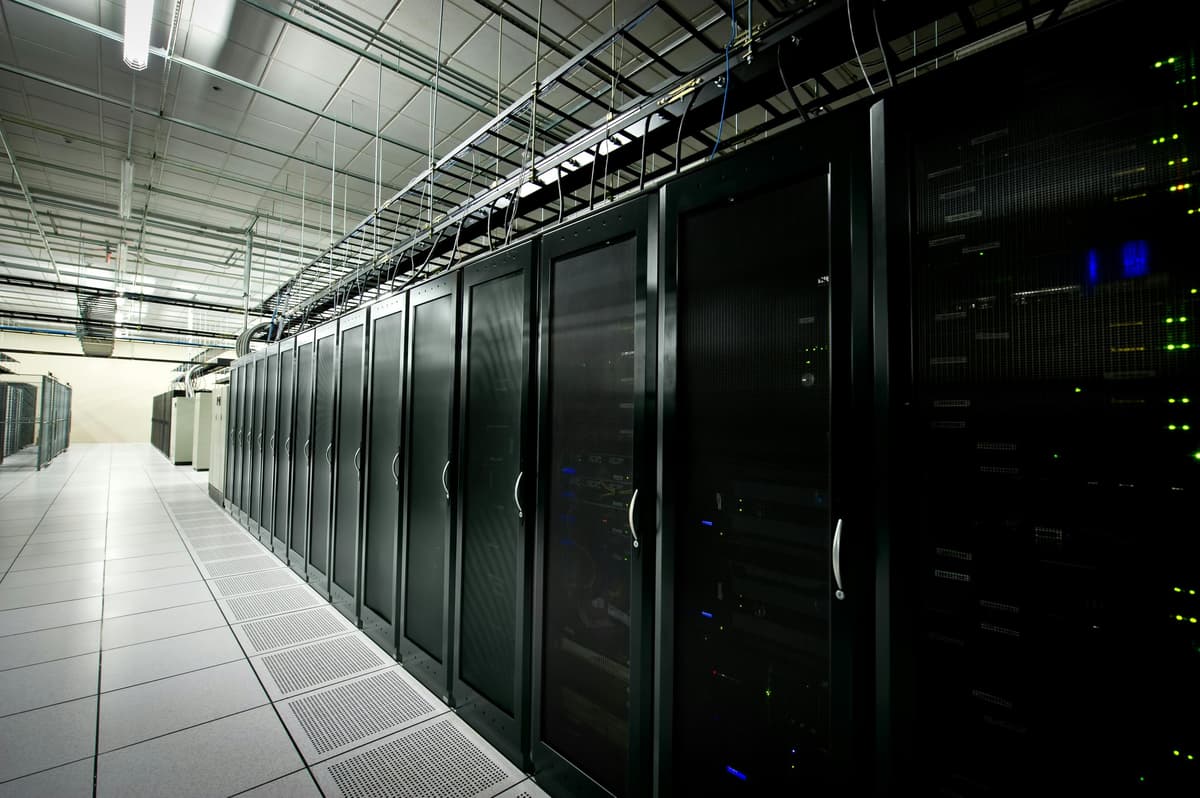
The United States is witnessing a historic pivot in infrastructure allocation as data‑center construction eclipses public‑transit spending. Surpassing $50 billion, this sector’s growth is propelled by the insatiable compute appetite of artificial‑intelligence models and the relentless expansion of cloud services. Investors and developers are racing to secure sites, often repurposing industrial zones into massive warehouse‑style facilities that quietly power the digital economy.
Beyond the headline numbers, the boom places unprecedented pressure on regional utilities. Data centers consume vast amounts of electricity and water for cooling, prompting grid operators to accelerate transmission upgrades and explore renewable‑energy integrations. Analysts warn that without careful planning, the added load could strain legacy power systems, elevate electricity rates, and complicate climate‑target commitments. Meanwhile, the construction phase generates a surge of short‑term labor, but once operational, staffing drops dramatically, contrasting sharply with the sustained employment typical of transit hubs.
Policymakers now face a balancing act: recognizing digital infrastructure as essential while safeguarding investment in traditional transportation that moves people and goods. Strategic incentives, such as tax credits tied to renewable‑energy usage or co‑location with public‑transit corridors, could align the two priorities. As AI and cloud workloads continue to climb, data‑center spending is likely to capture an even larger slice of the construction pie, making coordinated planning across energy, water, and urban development sectors a critical imperative for sustainable growth.
Data Centers Just Overtook Public Transit in Spending. What Comes Next?
Comments
Want to join the conversation?
Loading comments...