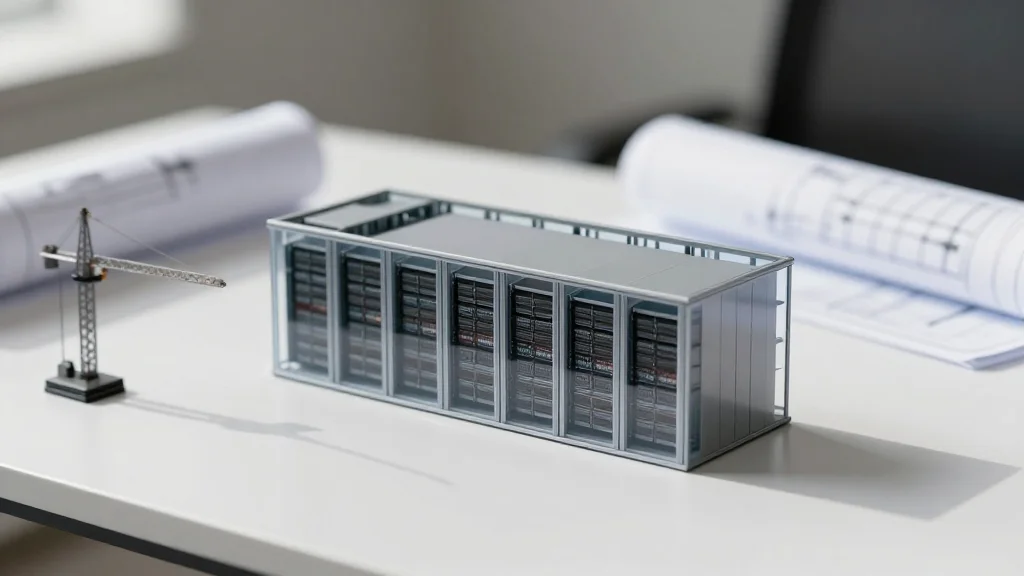
Data Centre Construction Challenges and the Rise of Modular Solutions
Why It Matters
Modular data‑centres reduce project risk and accelerate capacity growth, making the asset class more attractive to debt and equity investors seeking sustainable, high‑return infrastructure.
Key Takeaways
- •AI demand could boost data centre power needs by up to 200%.
- •Power grid constraints and labor shortages delay traditional builds.
- •Modular construction cuts lead times and improves cost predictability.
- •Prefabricated modules enable staged scalability and renewable energy alignment.
- •Investors view modular data centres as lower‑risk assets.
Pulse Analysis
The surge in artificial‑intelligence workloads and cloud adoption is reshaping the data‑centre market, turning it into a high‑growth asset class for global investors. In regions like Australia and Southeast Asia, rapid digitalisation is outpacing traditional infrastructure, creating pressure on power grids and amplifying regulatory scrutiny. Developers must navigate complex approval processes, scarce skilled labour and the escalating cost of specialized equipment, all of which can extend timelines and erode project economics. These macro‑level forces are prompting a reevaluation of construction methodologies to sustain the sector’s momentum.
Modular construction has emerged as a practical solution to the industry’s pain points. By fabricating fully equipped modules in factory settings, developers sidestep weather‑related delays, reduce on‑site labour requirements, and achieve tighter cost controls. The off‑site model also enables incremental scaling—operators can launch a baseline capacity and add modules as demand grows, aligning capital outlays with revenue streams. Moreover, the controlled environment facilitates integration of energy‑efficient cooling and renewable‑power interfaces, supporting tighter sustainability targets and earlier commissioning of services.
For investors, the shift toward modular data‑centres translates into lower execution risk and clearer return timelines. Predictable budgets and accelerated build schedules improve the attractiveness of debt financing, while the ability to quickly respond to market demand enhances equity upside. As governments tighten sustainability mandates, modular designs that dovetail with renewable‑energy procurement are likely to receive regulatory favor, further solidifying their competitive edge. Consequently, modular data‑centre projects are poised to dominate new builds, shaping the next wave of digital‑infrastructure investment.
Data centre construction challenges and the rise of modular solutions
Comments
Want to join the conversation?
Loading comments...