Designing Staff Housing for Large Construction Projects
Companies Mentioned
Why It Matters
Effective staff housing shortens project timelines and lowers labor‑related costs by increasing efficiency and reducing turnover, making it a decisive competitive advantage in large‑scale construction.
Key Takeaways
- •Proximity of housing to site balances access and noise exposure
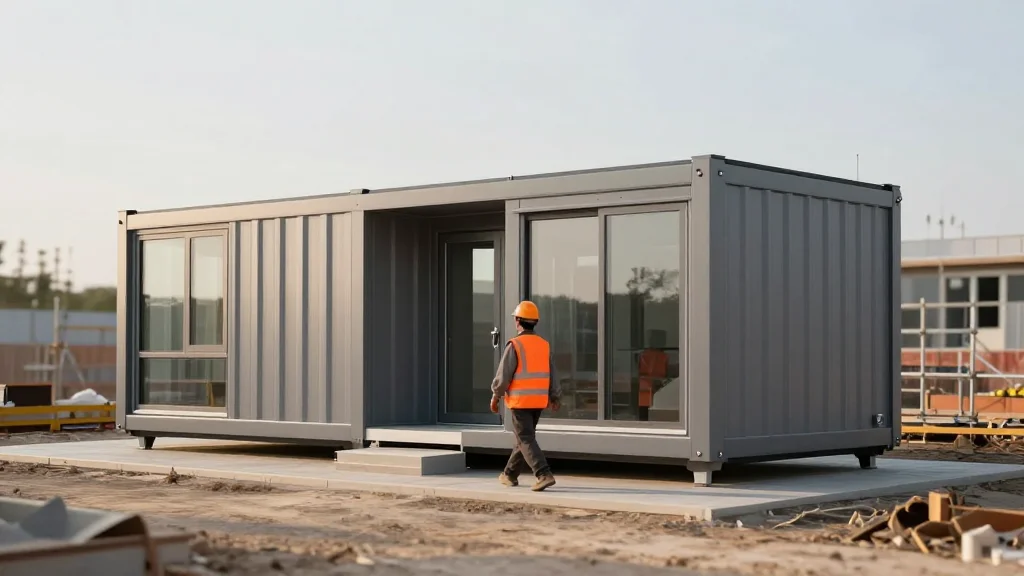
- •Modular units enable rapid scaling as workforce needs change
- •Dedicated sleep zones with sound control boost alertness and safety
- •Integrated utilities and sanitation reduce downtime and health risks
- •Shared lounges foster morale, reducing turnover on remote projects
Pulse Analysis
In today’s megaprojects, staff housing has moved from a logistical afterthought to a strategic asset. When workers live in environments that prioritize rest, hygiene, and convenience, they experience higher alertness, fewer safety incidents, and greater overall productivity. This translates into measurable cost savings: reduced overtime, fewer re‑work errors, and lower turnover rates that can shave weeks off a construction schedule. Companies that embed accommodation planning into the early design phase gain a clear edge in project delivery and stakeholder confidence.
Key design principles revolve around location, layout, and environmental comfort. Placing camps in a controlled buffer zone minimizes exposure to construction noise and dust while preserving quick site access. Thoughtful floor plans separate sleeping quarters from dining and recreation areas, incorporate natural light, and ensure adequate ventilation. Sound‑proofed rooms, temperature control, and fire‑safety systems further protect worker health and reinforce site discipline. Providing clean water, reliable sanitation, and communal lounges not only meets basic needs but also fosters social cohesion, reducing burnout on remote assignments.
Modular accommodation solutions have become the industry standard for flexibility and speed. Prefabricated units can be deployed in weeks, expanded as labor demands rise, and reclaimed for future projects, delivering a strong return on investment. These systems integrate seamlessly with utilities and safety infrastructure, allowing contractors to scale without compromising quality. As construction firms increasingly recognize the ROI of well‑designed staff housing, we can expect broader adoption of modular designs, data‑driven comfort metrics, and sustainability certifications that further elevate project performance.
Designing Staff Housing for Large Construction Projects
Comments
Want to join the conversation?
Loading comments...