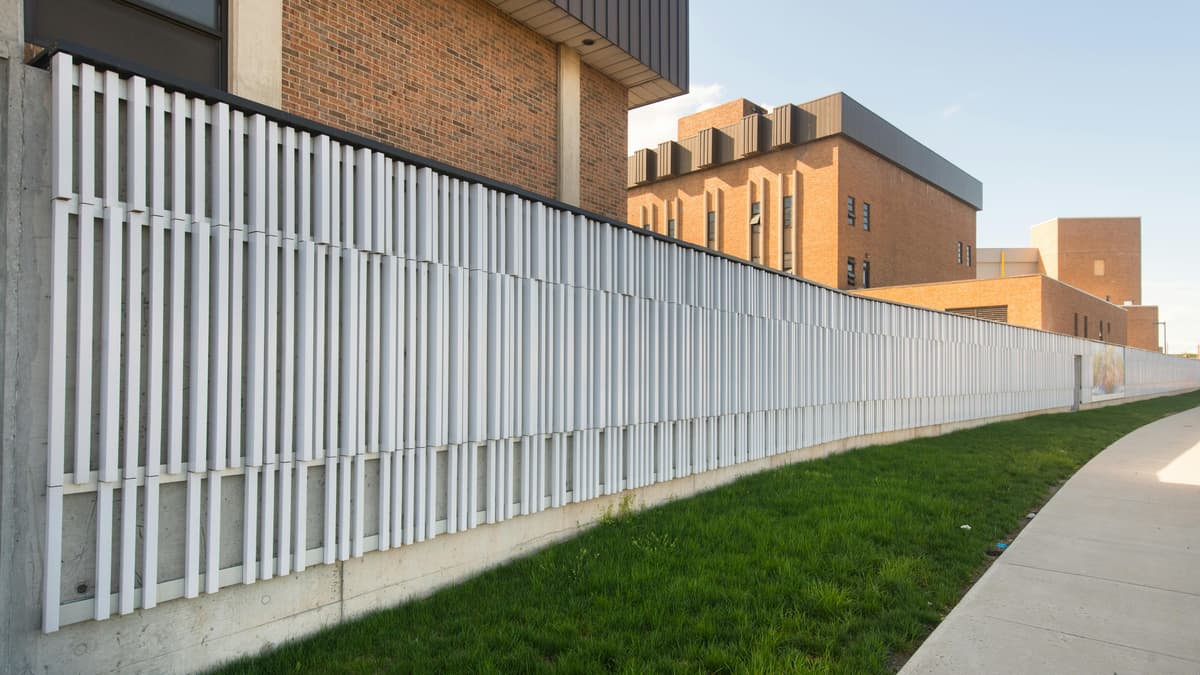
Designing Wastewater Treatment Plants for Climate Resilience
Companies Mentioned
Why It Matters
The reliability of wastewater infrastructure is essential for public health and environmental compliance; climate‑induced disruptions can trigger costly outages and regulatory penalties. Enhancing resilience safeguards communities and reduces long‑term capital expenditures on emergency repairs.
Key Takeaways
- •Layered flood protection reduces downtime during compound flooding events
- •Elevating critical equipment protects against rising river and coastal surges
- •On‑site storage and staged pumping add operational flexibility
- •Integrated rainfall‑hydraulic modeling identifies system vulnerabilities before design
Pulse Analysis
Climate change has accelerated the frequency and intensity of extreme weather, placing unprecedented strain on municipal wastewater treatment plants. Heavy rainfall, riverine flooding, and coastal storm surges now often occur together, overwhelming legacy designs that were based on isolated hazard scenarios. When treatment facilities fail, the downstream impacts include untreated sewage releases, public health risks, and costly regulatory fines, making resilience a top priority for utilities and local governments alike.
To address these challenges, engineers are moving beyond single‑layer defenses toward a holistic, layered‑protection approach. Critical pumps and control rooms are flood‑proofed and elevated above projected water levels, while electrical and SCADA systems are hardened against moisture intrusion. Design flexibility is built in through staged pumping sequences, on‑site retention basins, and modular equipment that can be reconfigured as conditions evolve. Advanced 1D/2D hydraulic modeling now integrates rainfall forecasts, river hydraulics, and sea‑level rise projections, allowing planners to simulate compound events and identify weak points before construction begins.
From a business perspective, investing in climate‑resilient wastewater infrastructure delivers measurable returns. Reduced outage frequency lowers emergency repair costs and protects revenue streams tied to service continuity. Moreover, compliance with tightening environmental regulations becomes more attainable, avoiding penalties that can erode profit margins. As municipalities adopt stricter resilience standards, firms that offer integrated design, modeling, and hardening solutions are positioned to capture a growing market share in the next decade.
Designing wastewater treatment plants for climate resilience
Comments
Want to join the conversation?
Loading comments...