EV Charging Now Mandatory in New Building Codes—Are You Ready?
Companies Mentioned
Why It Matters
The mandate reshapes development economics by turning EV infrastructure from an optional amenity into a compliance cost, while positioning properties that are EV‑ready for higher market appeal and future‑proofing against stricter regulations.
Key Takeaways
- •California mandates Level 2 EV charger per multifamily unit from 2026.
- •Shared‑parking buildings must equip every spot with a charging receptacle.
- •Load‑management systems permit multiple chargers on limited power supply.
- •Retrofitting can cost 3‑5× more than building EV‑ready initially.
- •Colorado, New York, Washington, Oregon are drafting similar codes.
Pulse Analysis
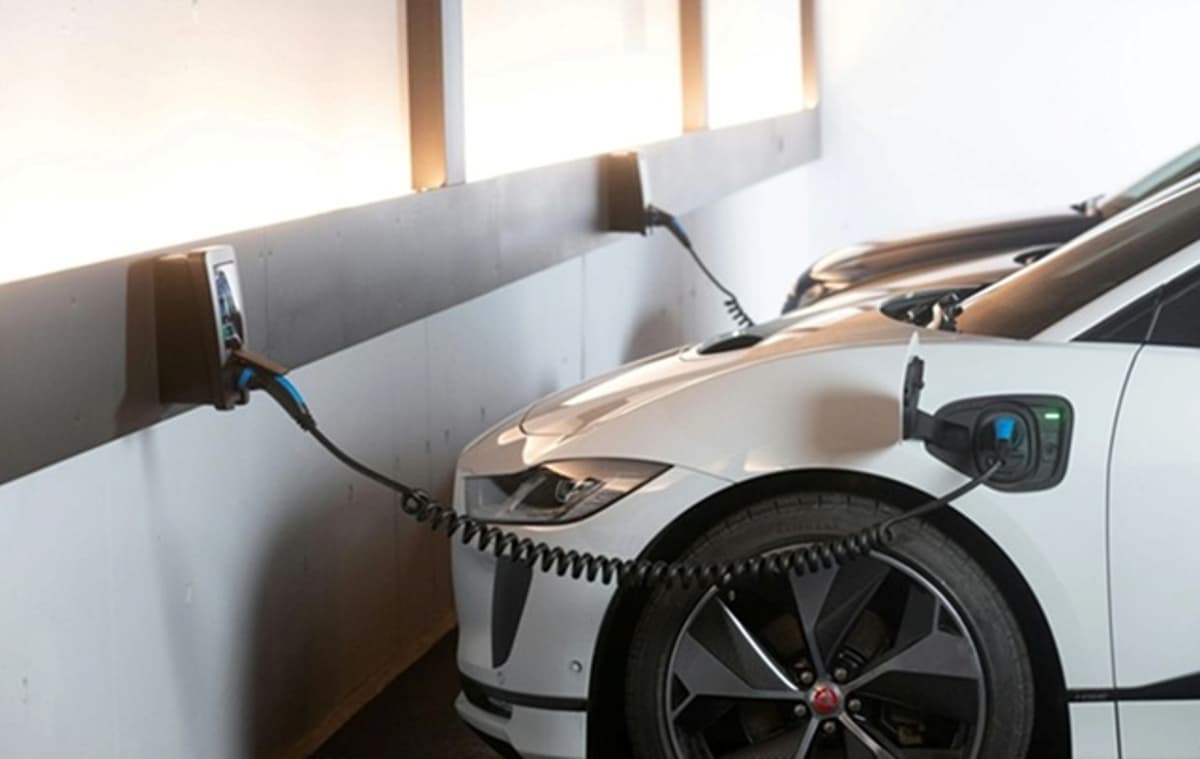
California’s updated Title 24 code reflects a broader policy push to embed electric‑vehicle (EV) infrastructure into the fabric of new construction. By mandating a Level 2 charger for each multifamily unit—or a charger at every spot in shared‑parking layouts—the state ensures that new residential stock can accommodate the projected surge in EV ownership. The inclusion of load‑management and power‑sharing provisions acknowledges real‑world electrical constraints, allowing developers to scale charging capacity without oversized utility upgrades. This regulatory framework sets a de‑facto national benchmark, prompting other jurisdictions to accelerate similar standards.
From a financial perspective, the timing of compliance is critical. Studies show retrofitting existing structures can cost three to five times more than integrating wiring and conduit during the initial build, driven by labor‑intensive trenching, panel upgrades, and permitting hurdles. Modern solutions such as Charging‑as‑a‑Service (CaaS) and smart load‑balancing platforms mitigate upfront capital outlays, converting a capital expense into an operational one. Developers who adopt these models can align cash flow with tenant revenue, while property owners benefit from reduced maintenance burdens and the ability to offer a premium amenity that attracts higher‑paying renters.
The ripple effect extends beyond California. Colorado, New York, Washington and Oregon are actively drafting parallel EV‑ready building codes, creating a quasi‑national standard that investors must anticipate. For owners with portfolios spanning multiple markets, a unified EV‑ready strategy simplifies compliance, reduces exposure to retrofitting risk, and enhances asset valuation. Tenants increasingly cite charging availability as a decisive factor in lease decisions, making EV infrastructure a competitive differentiator. Proactive planning—leveraging flexible load‑management, scalable hardware, and service‑based financing—positions properties to capture this emerging demand while safeguarding long‑term profitability.
EV Charging Now Mandatory in New Building Codes—Are You Ready?
Comments
Want to join the conversation?
Loading comments...