Fire-Safety Group Warns Against Relaxing Telecoms Installation Regulations
Why It Matters
Loosening oversight threatens life safety while stalling essential broadband upgrades in high‑rise housing, impacting both public safety and digital inclusion.
Key Takeaways
- •FPA warns relaxed rules raise fire risk in high‑rise buildings.
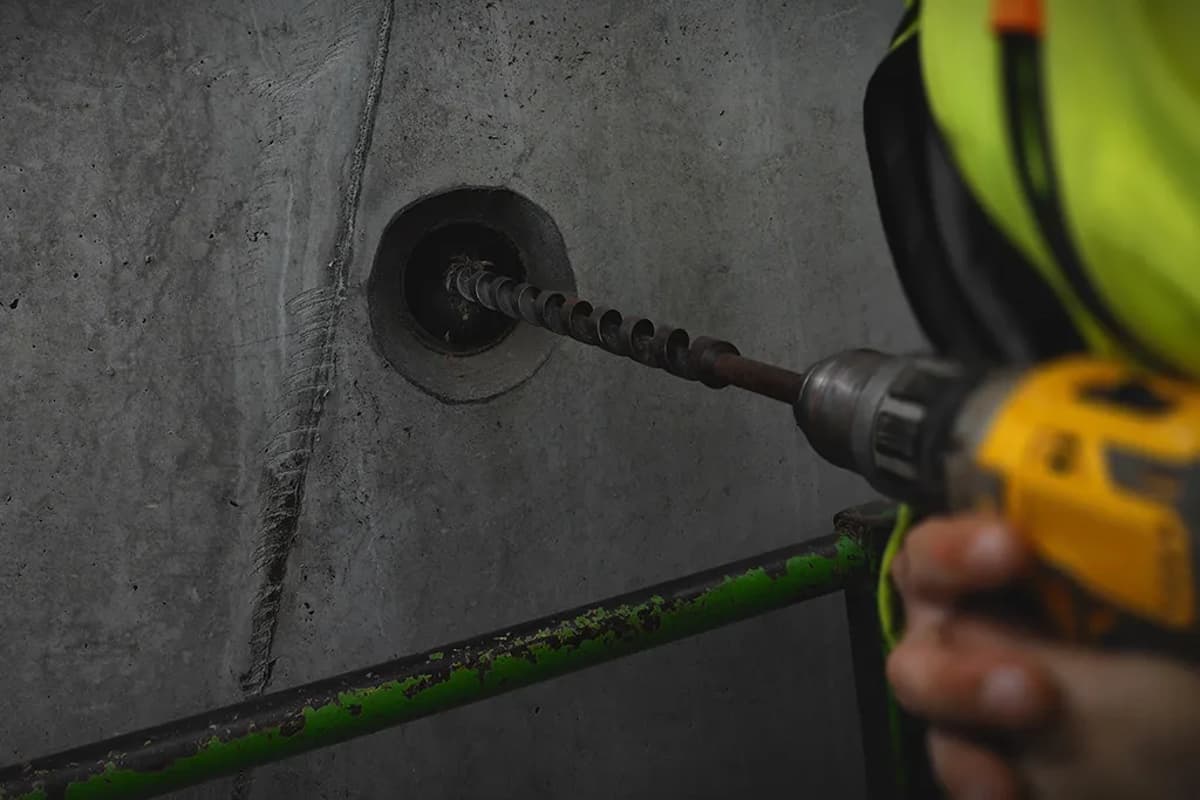
- •Poor fire‑stop reinstatement often follows drilling through fire‑resisting walls.
- •Lack of accurate as‑built drawings hampers safe telecom installations.
- •TechUK cites 16‑20 week delays for routine fibre work.
- •MHCLG still reviewing consultation responses, no decision yet.
Pulse Analysis
The UK’s Building Safety Act 2022 introduced a stringent oversight regime for work that penetrates fire‑resisting structures, aiming to prevent tragedies like the 2009 Lakanal House fire. Telecom installations—particularly fibre‑optic cabling and mobile‑mast upgrades—now require approval from the Building Safety Regulator when performed in higher‑risk buildings such as high‑rise apartments, care homes and hospitals. While the intent is to safeguard occupants, the Fire Protection Association warns that the current regulatory burden may be disproportionate, especially when installers lack reliable as‑built drawings and fire‑stop expertise.
Beyond safety, the regulatory framework has tangible economic consequences. TechUK, representing the digital‑infrastructure sector, reports that routine fibre deployments are routinely delayed by 16‑20 weeks, with some applications pending for over six months. These postponements jeopardize the government’s broadband connectivity targets and risk creating a new form of digital exclusion for residents of high‑density housing. The delay also inflates project costs, discourages investment, and could slow the rollout of 5G and future network upgrades essential for the UK’s digital economy.
Policymakers now face a balancing act: preserving fire safety without stifling essential telecom upgrades. The FPA advocates a proportionate approach focused on installer competence, robust assurance processes, and traceability of work performed. By tightening certification requirements and improving the availability of accurate building schematics, regulators could maintain high safety standards while reducing unnecessary bottlenecks. As MHCLG reviews consultation feedback, a nuanced policy that aligns safety with digital infrastructure goals will be critical for protecting lives and fostering economic growth.
Fire-safety group warns against relaxing telecoms installation regulations
Comments
Want to join the conversation?
Loading comments...