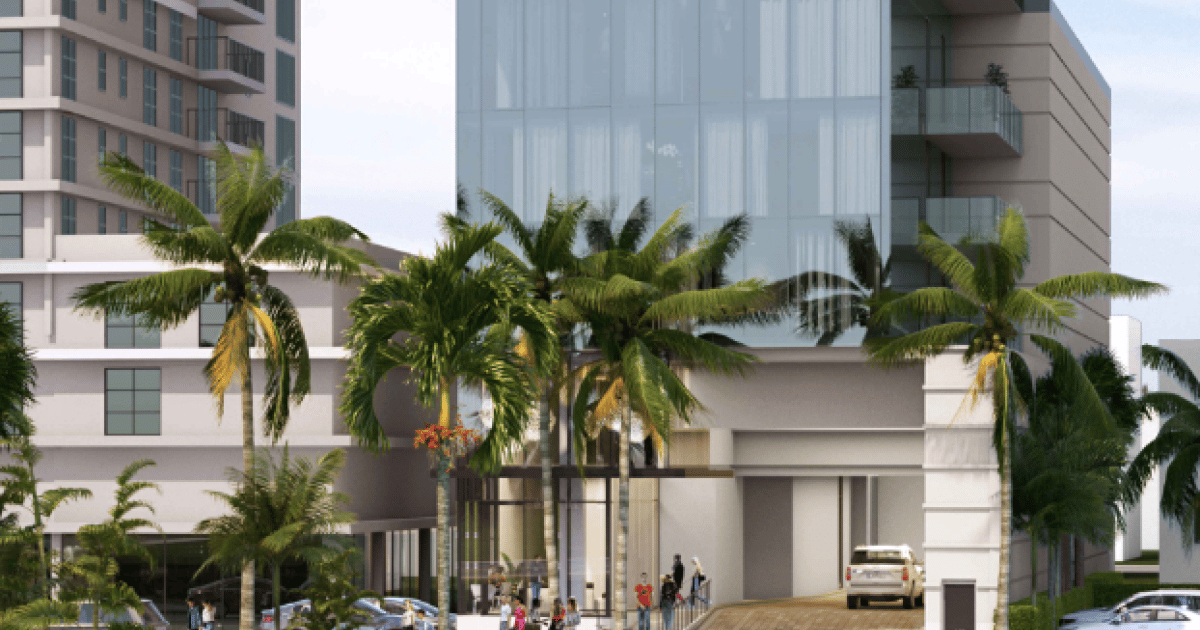
Florida’s Live Local Act Enters New Phase With 2026 Amendments, Expanding State Control Over Workforce Housing Projects
Why It Matters
The amendment accelerates the supply of affordable housing by removing local barriers, reshaping Florida’s real‑estate development landscape and signaling strong state support for large‑scale projects. It also creates new legal frontiers as municipalities and developers test the expanded preemption authority.
Key Takeaways
- •Live Local Act now covers public and religious lands for affordable housing.
- •Parking reduction requirement increased to 15% for qualifying projects.
- •New law preempts local setbacks, expanding building height for developments.
- •Tens of thousands of units proposed, with 4,000+ in Miami’s HueHub.
- •Legal battles intensify as state defends preemption authority in courts.
Pulse Analysis
The Live Local Act, first enacted in 2023, was a direct response to Florida’s chronic housing shortage, especially for households earning up to 120% of the area median income. By preempting local zoning rules for projects that meet a 40% affordability threshold, the law aimed to unlock underutilized commercial and industrial parcels for multifamily construction. Early ambiguity and municipal resistance slowed progress, but the act laid the groundwork for a more centralized approach to housing policy, a trend that mirrors broader national efforts to address affordability through state‑level interventions.
House Bill 1389 expands that framework dramatically. By extending eligibility to publicly owned land and certain religious institutions, the amendment multiplies the pool of developable sites without requiring rezoning. The increase in mandatory parking reductions from 10% to 15% reflects a shift toward transit‑oriented, higher‑density design, while the elimination of setback loopholes removes a common tool municipalities used to limit building height. These changes have already spurred a surge in proposals, with projects like Miami‑Dade’s HueHub targeting over 4,000 units and numerous mixed‑use schemes emerging across Broward and Palm Beach counties. Developers see a clearer, faster approval path, which is translating into higher investment activity and a more robust pipeline of workforce housing.
The policy’s ripple effects extend beyond construction. Real‑estate investors are recalibrating portfolios to capitalize on the newly accessible sites, while local governments grapple with reduced control over land‑use planning. Ongoing litigation—such as the Broward County ruling favoring the City of Hollywood—highlights the tension between state preemption and municipal autonomy. As the law takes effect, stakeholders will watch closely how courts interpret the expanded authority, which could set precedents for other states considering similar housing reforms. Ultimately, the 2026 amendments position Florida to address its housing deficit more aggressively, but they also raise questions about the balance of power in urban development.
Florida’s Live Local Act Enters New Phase With 2026 Amendments, Expanding State Control Over Workforce Housing Projects
Comments
Want to join the conversation?
Loading comments...