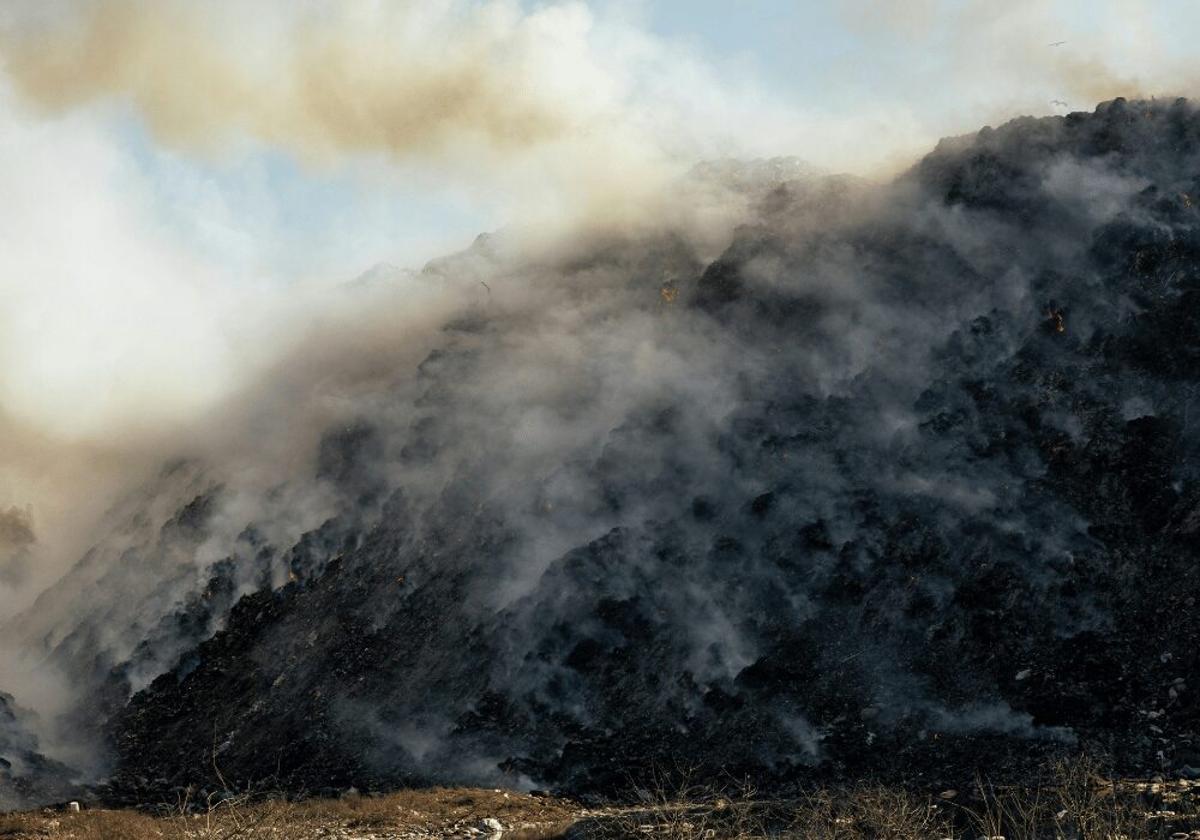
From Landfill to Launchpad: South Africa Leads Africa’s Waste Revolution
Why It Matters
By diverting waste from landfills into construction, energy and agricultural inputs, South Africa reduces environmental pressure while creating new revenue streams and jobs, setting a replicable model for the rest of Africa.
Key Takeaways
- •Plastic bricks and waste-derived bitumen cut landfill use
- •Waste‑to‑energy plants add renewable power to national grid
- •Black Soldier Fly larvae turn organic waste into animal feed
- •Vermicomposting and microbial fermentation boost soil health, reduce chemicals
Pulse Analysis
South Africa’s waste revolution is reshaping the continent’s approach to resource scarcity and environmental stewardship. By compressing plastics, ash and industrial by‑products into durable bricks, and converting non‑recyclable plastics into bitumen‑like compounds, the country is addressing two critical challenges simultaneously: reducing landfill volume and lowering construction costs. These material‑science breakthroughs echo global trends toward low‑carbon building practices, offering a scalable template for emerging markets seeking affordable infrastructure solutions.
Beyond construction, waste‑to‑energy (WtE) facilities are tapping the calorific value of municipal solid waste to generate electricity and heat, feeding directly into the national grid. This diversification of energy sources eases South Africa’s chronic power shortages and aligns with its renewable‑energy targets. Parallel biotech innovations—Black Soldier Fly larvae converting food waste into high‑protein feed, vermicomposting producing nutrient‑dense vermicast, and microbial fermentation yielding liquid fertilizers—are creating circular agriculture loops that cut chemical fertilizer demand and improve soil health. Collectively, these technologies generate jobs across rural and urban settings, from farm‑based bioconversion hubs to plant‑scale WtE stations.
Policy support underpins the sector’s rapid growth. The National Waste Management Strategy and extended producer responsibility (EPR) regulations provide clear incentives for private‑sector participation, while academic‑industry collaborations accelerate research commercialization. The upcoming Innovations in Waste Management – The African Experience 2026 conference will convene stakeholders to share best practices and attract investment, positioning South Africa as a hub for waste‑to‑value expertise across Africa. As the continent grapples with mounting waste streams, South Africa’s integrated, policy‑driven model offers a replicable pathway toward sustainable development and economic resilience.
From Landfill to Launchpad: South Africa Leads Africa’s Waste Revolution
Comments
Want to join the conversation?
Loading comments...