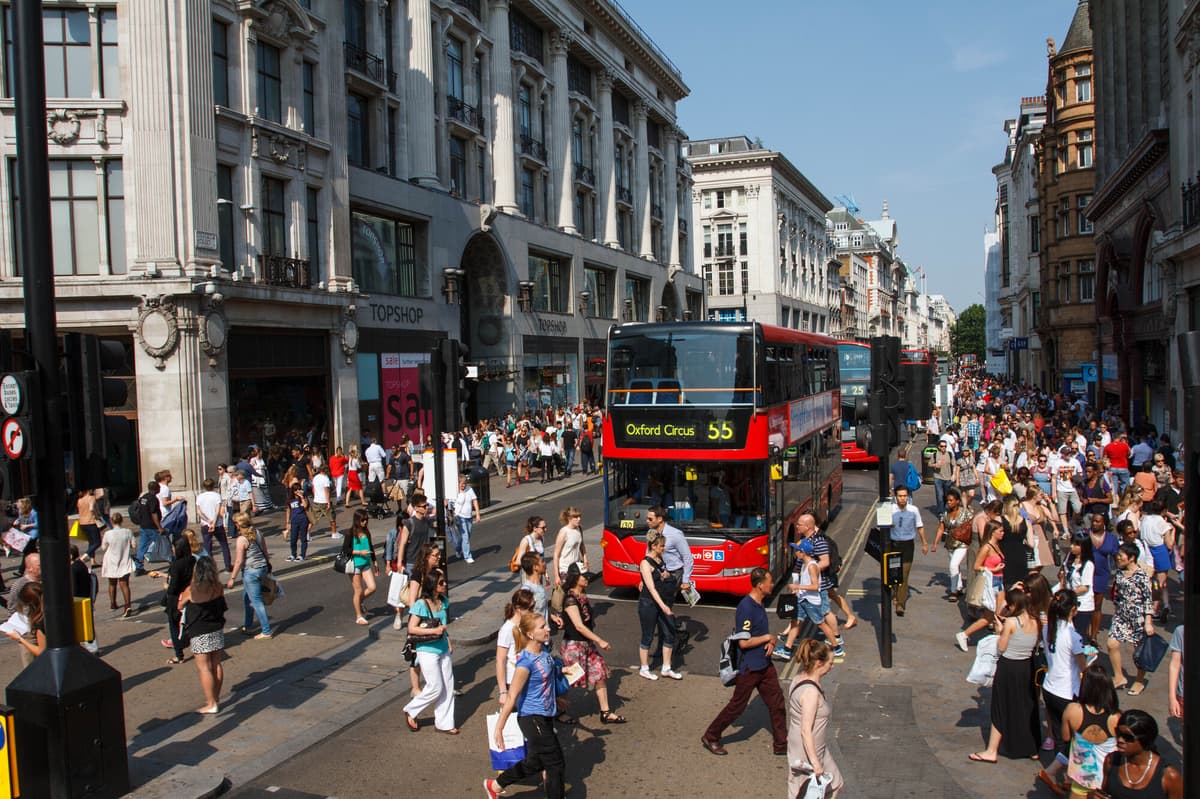
From London to Houston: Four Ongoing Pedestrianisation Initiatives Shaping More Walkable Cities
Companies Mentioned
Why It Matters
Pedestrianisation directly tackles climate goals, retail revitalisation, and event‑driven economic boosts, setting new standards for urban mobility and public‑realm investment worldwide.
Key Takeaways
- •70% of London’s public backs pedestrianising Oxford Street
- •NYC’s Paseo Park will undergo design phases 2026‑2028
- •Houston aims to complete Main Street Promenade by June 2026
- •Stockholm’s Superline plan cuts Centralbron lanes by 50%
- •Citizen surveys drive 77% support for Stockholm’s green boulevard
Pulse Analysis
The surge in pedestrian‑first projects reflects a broader shift in urban policy, where cities treat streets as climate mitigation tools and economic catalysts. In London, the Oxford Street Transformation leverages a Mayoral Development Area to overcome retail decline, using statutory mechanisms that could become a template for other legacy commercial corridors. By anchoring the process in public consultation, the city ensures community buy‑in while aligning with national transport reforms.
New York’s Paseo Park illustrates how temporary pandemic interventions can evolve into permanent infrastructure. The 1.3‑mile open‑street corridor, now a city‑wide capital project, integrates multilingual outreach and community roadmaps, signaling a democratic model for street redesign. Its phased design timeline through 2028 underscores the long‑term commitment required to institutionalise pedestrian spaces in dense, mixed‑use neighborhoods.
Houston’s Main Street Promenade showcases event‑driven acceleration, with the 2026 FIFA World Cup providing a deadline that aligns public‑realm upgrades with tourism revenue goals. The project’s phased closures and green amenities aim to minimize disruption while delivering a vibrant promenade that could reshape downtown’s economic landscape. Meanwhile, Stockholm’s Superline research, though not yet approved, offers a data‑rich vision that could halve car traffic on a central motorway, delivering measurable reductions in noise and emissions. Collectively, these case studies highlight how policy, community engagement, and strategic timing converge to make streets more walkable and resilient.
From London to Houston: Four Ongoing Pedestrianisation Initiatives Shaping More Walkable Cities
Comments
Want to join the conversation?
Loading comments...