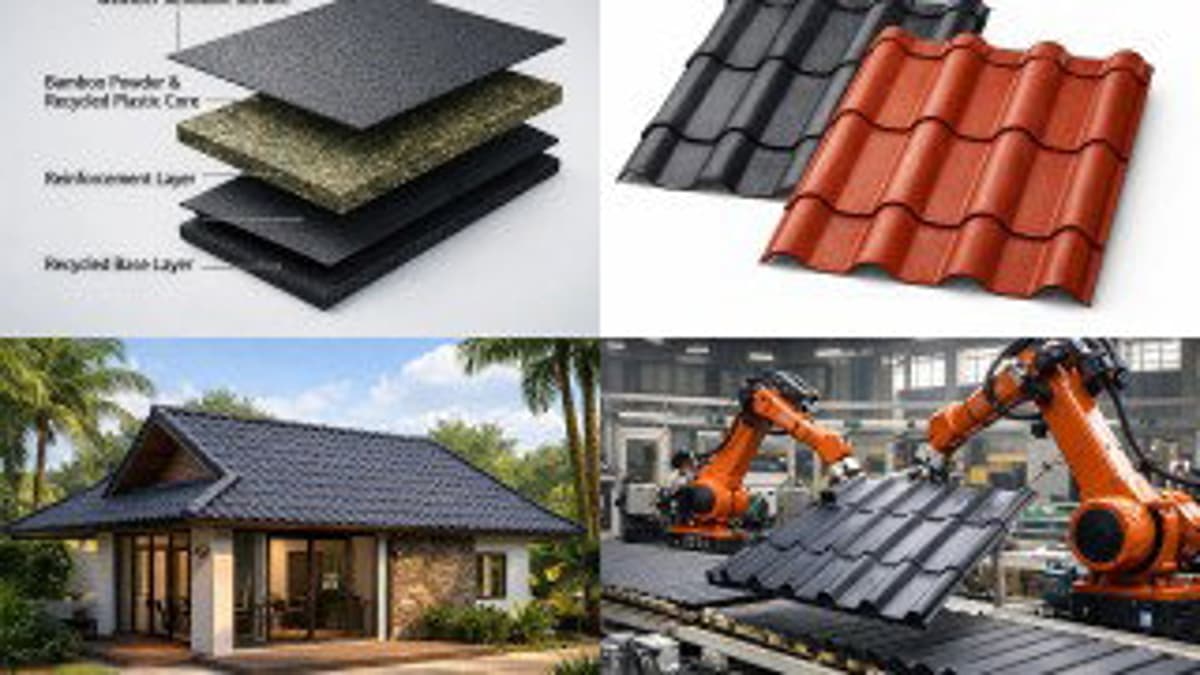
From Waste to Roof: Bamboo and Recycled Plastic Signal Circular Building Revolution
Companies Mentioned
Why It Matters
The shift toward bamboo, recycled plastic, and waste‑derived inputs offers a cost‑effective path to curb soaring material prices while meeting tightening sustainability mandates across the construction sector.
Key Takeaways
- •Singapore ranks 10th globally, only Asian city in top‑10 material‑reuse index
- •March saw the sharpest month‑on‑month rise in building‑material costs in 30 years
- •MAECONOMY raised €1.5 million (~$1.6 million) for circular‑asset platform
- •Up to 80% of incinerator bottom ash can be turned into certified raw material
- •Bamboo and recycled‑plastic panels are scaling from pilots to commercial projects
Pulse Analysis
Circular building is no longer a buzzword; it is becoming a strategic imperative as material costs climb and regulators tighten waste‑reduction targets. In Singapore, the Saville Material Reuse Maturity Index placed the city‑state at #10 worldwide, highlighting a robust policy framework that incentivizes the use of renewable inputs such as bamboo and recycled‑plastic composites. This recognition signals to developers that circular sourcing can meet both budget constraints and green‑building certifications, especially as traditional aggregates and steel face price spikes not seen in three decades.
Investors are also responding. Dutch startup MAECONOMY’s recent €1.5 million (about $1.6 million) funding round aims to create a transparent, auditable marketplace for construction‑material assets, enabling firms to track waste‑to‑resource flows and monetize circularity. Parallel breakthroughs, like the 80% recovery of dry mass from incinerator bottom ash into certified raw material, expand the feedstock pool for low‑carbon products. These innovations reduce reliance on virgin resources, lower embodied emissions, and open new revenue streams for waste‑management companies.
The convergence of rising material prices, supportive municipal rankings, and scalable technologies is reshaping the construction value chain. Bamboo’s rapid growth cycle and the durability of engineered plastic panels offer viable substitutes for timber and concrete, while digital platforms ensure traceability and compliance. As the industry embraces these circular solutions, we can expect a gradual decoupling of construction output from raw‑material consumption, delivering cost savings, regulatory resilience, and a greener built environment.
From waste to roof: bamboo and recycled plastic signal circular building revolution
Comments
Want to join the conversation?
Loading comments...