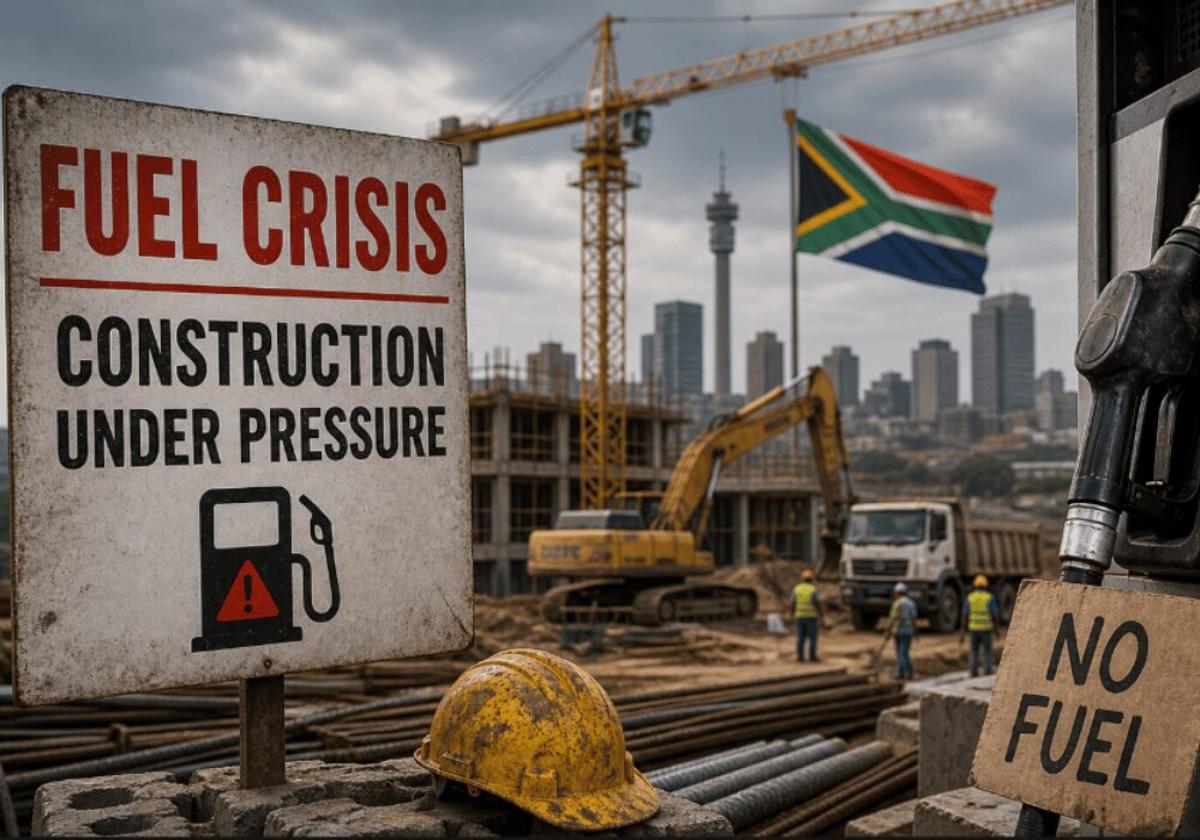
Fuel Has Become A Fault Line In Construction
Why It Matters
Without proactive risk allocation, contractors face eroding margins and potential project failure, while owners risk disputes and delayed delivery. The issue highlights a need for contract reforms that can adapt to volatile input costs.
Key Takeaways
- •Fuel price spikes raise construction costs across supply chain
- •Contracts lacking escalation clauses force contractors to absorb higher fuel expenses
- •Late notices and poor documentation cause claim rejections and cash‑flow strain
- •Proactive risk allocation and real‑time tracking can mitigate fuel volatility impact
Pulse Analysis
The early‑year optimism that construction would settle was shattered when the Iran‑Israel confrontation sent global energy markets into turmoil, pushing diesel and gasoline prices above historic levels. For contractors, fuel is the lifeblood of plant, transport, and site operations, so a 30‑40 % jump instantly inflates material logistics, equipment runtimes, and labor scheduling. The ripple effect reaches every budget line, eroding thin margins and threatening project viability even before a single brick is laid. This volatility has exposed a systemic blind spot: fuel is often priced in but not actively managed.
Most contracts still rely on static price assumptions, leaving contractors exposed when escalation clauses such as CPAP are omitted. Without a pre‑agreed mechanism, any attempt to recover fuel‑related overruns hinges on timely notices, precise causation, and exhaustive records—requirements many firms fail to meet in the heat of execution. Late or incomplete claim submissions routinely trigger rejections, escalating disputes and tightening cash flow. Courts consistently uphold the original agreement, reinforcing that a poor commercial outcome alone does not justify relief. Effective risk allocation therefore demands real‑time documentation and disciplined contract administration.
To survive the next cycle, owners and contractors must treat fuel as a defined risk rather than a background cost. Incorporating clear escalation triggers, indexed price formulas, and shared monitoring platforms can convert a volatile input into a manageable variable. Early collaboration on contingency budgets and transparent supply‑chain data further reduces surprise claims. As energy markets remain unpredictable, the industry is likely to see a shift toward more flexible, outcome‑based contracts that embed real‑time risk adjustments. Firms that embed these practices today will protect margins and maintain cash flow when fuel prices swing again.
Fuel Has Become A Fault Line In Construction
Comments
Want to join the conversation?
Loading comments...