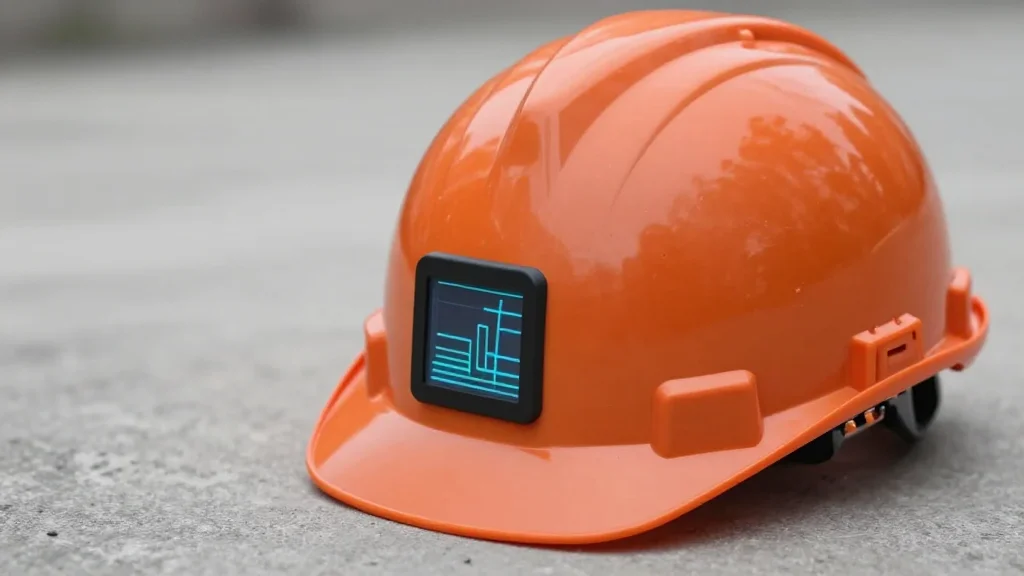
Future of Construction Management: What Matters by 2027
Companies Mentioned
Why It Matters
With a tightening labor market and escalating project costs, integrated, real‑time systems directly boost productivity and reduce waste, giving firms a decisive competitive advantage. The shift also safeguards margins by turning data into actionable insights.
Key Takeaways
- •Fragmented tools increase workload; unified platforms cut duplicate data entry.
- •Real-time updates accelerate decisions, reducing project delays and cost overruns.
- •Data analytics turn raw information into predictive insights for safer budgeting.
- •Flexible, adaptable software scales with market volatility and rising material costs.
- •Consolidating tools simplifies operations, improving staff morale and retention.
Pulse Analysis
The construction sector faces a perfect storm: a persistent labor shortage, soaring material prices, and heightened client expectations for speed and transparency. As firms scramble to fill gaps, the traditional patchwork of spreadsheets and isolated apps proves untenable. Integrated construction management platforms provide a single source of truth, allowing teams to capture data once and disseminate it instantly across disciplines. This connectivity not only trims administrative overhead but also creates a foundation for more sophisticated analytics.
Real‑time visibility is emerging as a baseline requirement rather than a differentiator. When project updates flow automatically to field crews, supervisors, and executives, decision cycles shrink dramatically. Managers can intervene before minor delays snowball into costly overruns, and stakeholders gain confidence through continuous insight. Coupled with predictive analytics, these live data streams enable scenario modeling that informs budgeting, resource allocation, and risk mitigation, turning historical data into a proactive planning engine.
However, technology adoption must be strategic. Overloading a firm with niche tools fragments workflows and erodes user adoption, especially when staff are already stretched thin. Consolidating around a flexible, modular platform that can be customized as market conditions evolve preserves agility while reducing complexity. Such an approach not only streamlines operations but also supports employee satisfaction, a critical factor in retaining scarce skilled labor. Companies that master this balance will be positioned to deliver projects on time, within budget, and with the quality demanded by a demanding market.
Future of Construction Management: What Matters by 2027
Comments
Want to join the conversation?
Loading comments...