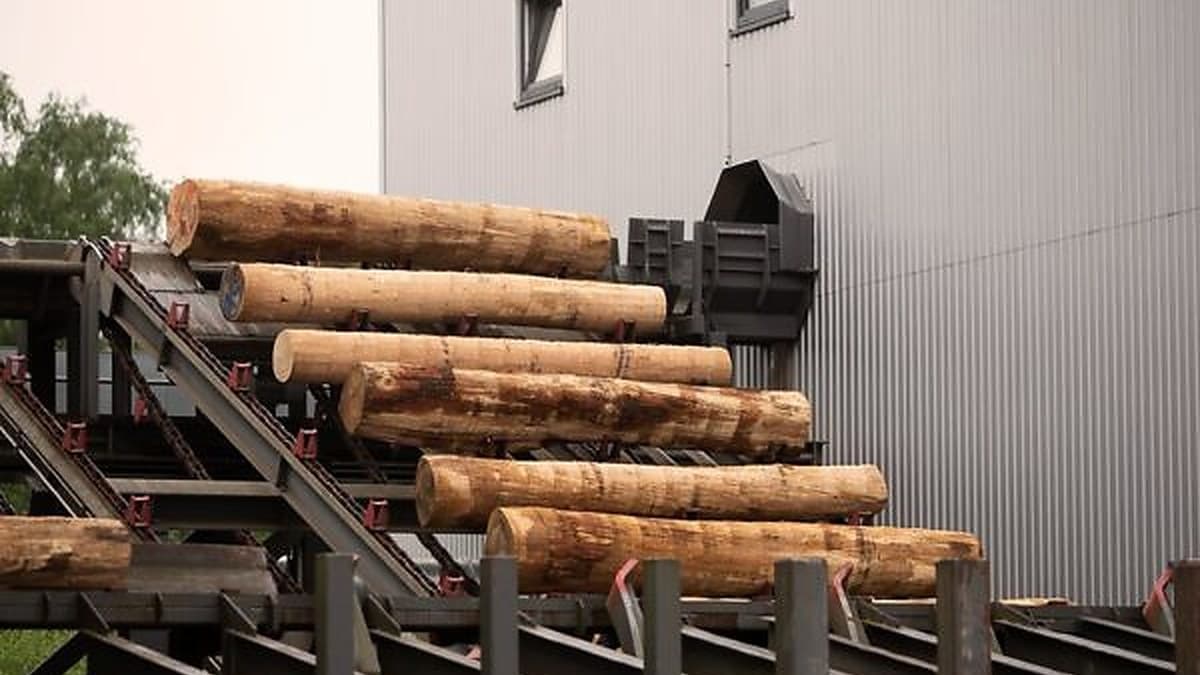
German Timber Outlook Darkens as Iran War Drives the Costs Up
Why It Matters
The data signals persistent weakness in Germany’s timber supply chain, driven by a construction slowdown and geopolitical cost spikes, which could curb earnings for manufacturers and affect downstream housing projects.
Key Takeaways
- •Current business climate rose to -28, but six‑month outlook fell to -32.2.
- •Prefabricated timber construction shows positive sentiment; furniture and sawmilling remain weak.
- •Housing permits up 15.6% for detached homes, 20.4% for multi‑unit dwellings.
- •Iran war adds energy, raw material cost pressure to German timber firms.
- •EU deforestation rule could cost industry about $1.3 billion annually.
Pulse Analysis
The latest HDH economic indicator shows the German timber industry inching out of its deepest trough. While the current‑business score improved to –28 points, the six‑month forward outlook deteriorated, pulling the composite index to –30.1. This divergence reflects a sector still tethered to the broader manufacturing slowdown, yet marginally buoyed by a modest rebound in residential construction activity. Compared with the ifo Institute’s manufacturing gauge, timber firms remain significantly more pessimistic, underscoring the sector’s exposure to weak demand and higher input costs.
Segmental data reveal a split picture. Prefabricated timber construction firms report a rare positive sentiment, buoyed by a 15.6% rise in permits for detached houses and a 20.4% jump for multi‑unit dwellings in early 2026. By contrast, furniture makers, sawmills and wood‑packaging companies continue to flag deteriorating conditions, hampered by falling building completions and a subdued consumer market. The ongoing Iran war has amplified energy and raw‑material price volatility, squeezing margins across the board. These geopolitical pressures compound existing challenges, making cost‑pass‑through increasingly difficult for German timber producers.
Looking ahead, compliance with the EU’s deforestation regulation looms as a major financial burden, estimated at €1.2 bn (approximately $1.3 bn) per year for the industry. This regulatory cost, combined with supply‑chain uncertainties, could reshape investment decisions and accelerate consolidation among weaker players. Stakeholders will be watching whether firms can offset these expenses through productivity gains or by shifting toward higher‑margin prefabricated building solutions, which may determine the sector’s resilience in a tightening economic environment.
German Timber Outlook Darkens as Iran War Drives the Costs Up
Comments
Want to join the conversation?
Loading comments...