Global Briefing: Spain Earmarks €9bn for Housing and Transport in 'Social Climate Plan'
Companies Mentioned
Why It Matters
The initiative provides a sizable fiscal boost to Spain's green transition, accelerating emissions reductions while generating employment. It also signals to investors that large‑scale public backing for climate projects is now a policy priority in the EU.
Key Takeaways
- •Spain allocates €9bn ($9.7bn) to green housing upgrades.
- •Funding targets energy‑efficient retrofits for 1.5 million homes.
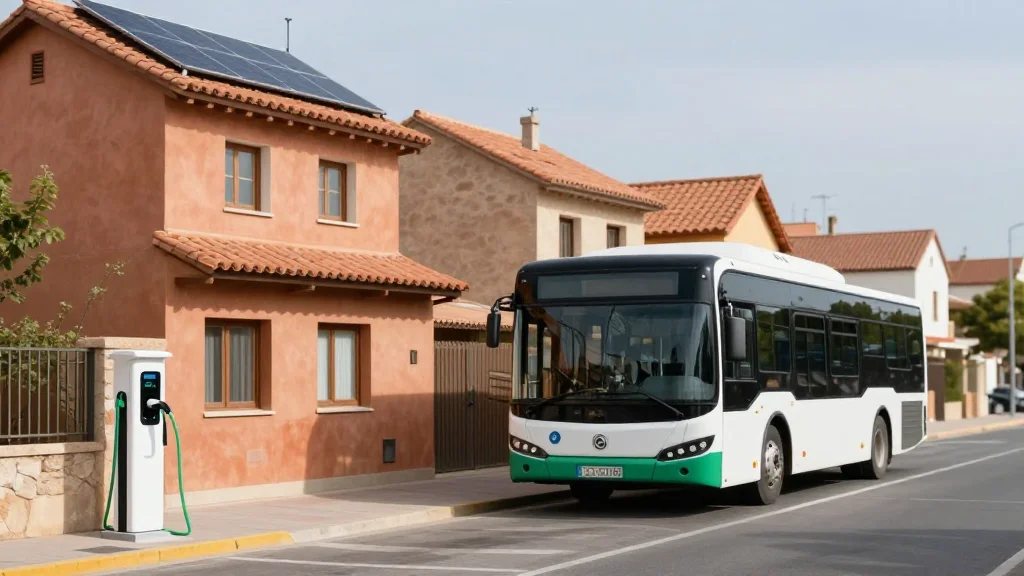
- •Transport budget supports electric vehicle charging and public transit electrification.
- •Plan aligns with EU 2030 climate targets and job creation goals.
- •Public investment expected to spur private sector green financing.
Pulse Analysis
Spain’s Social Climate Plan arrives at a pivotal moment as the EU tightens its 2030 climate agenda. While the bloc aims for a 55% reduction in greenhouse‑gas emissions by 2030, housing and transport remain the two largest sources of carbon output. By earmarking nearly $10 billion, Madrid is addressing the twin challenges of energy poverty and urban congestion, positioning itself as a testbed for integrated climate policy that blends fiscal stimulus with environmental ambition.
The bulk of the funding will flow into energy‑efficient retrofits, targeting roughly 1.5 million dwellings that currently rely on outdated heating systems. Simultaneously, the transport tranche will finance a nationwide rollout of electric‑vehicle charging stations and the electrification of bus fleets in major cities. Early estimates suggest the program could cut residential emissions by up to 30% and reduce transport‑related CO₂ by 20%, while creating tens of thousands of construction and engineering jobs. Crucially, the public outlay is designed to de‑risk private capital, encouraging banks and green‑bond issuers to co‑finance projects that meet stringent sustainability criteria.
Beyond Spain’s borders, the plan may reshape investment flows across Southern Europe. Investors watching Madrid’s execution will gauge the scalability of large‑scale public‑private partnerships for climate infrastructure. If successful, the model could inspire similar allocations in Italy, Portugal and Greece, accelerating the EU’s overall decarbonisation pathway. However, challenges remain, including bureaucratic bottlenecks, the need for skilled labor, and ensuring that cost savings are passed on to consumers. Monitoring these variables will be essential to determine whether Spain’s bold fiscal commitment translates into measurable climate outcomes.
Global Briefing: Spain earmarks €9bn for housing and transport in 'Social Climate Plan'
Comments
Want to join the conversation?
Loading comments...