Going Modular Could Add 500M Board Feet to Canada’s Timber Demand
Why It Matters
Unlocking half‑a‑billion board feet would boost Canada’s timber sector, lower construction waste and help address the housing affordability gap while reducing embodied carbon. The shift also creates new revenue streams for mills and aligns with climate‑friendly building policies.
Key Takeaways
- •Removing code barriers could unlock 500M board feet of timber
- •Modular wood construction fits low‑mid rise “Goldilocks” housing segment
- •Current regulations cause approval delays and inconsistent municipal interpretation
- •Prefabricated mass‑timber now allowed up to 18 stories
- •Builders say land and financing still dominate housing costs
Pulse Analysis
Modular and prefabricated wood construction is emerging as a strategic lever for Canada’s timber industry. By consolidating fragmented building codes and streamlining municipal approvals, the sector could tap an estimated 500 million board feet of additional demand—equivalent to a sizable boost in sawmill throughput and forest product revenues. This potential surge aligns with broader sustainability goals, as factory‑built components typically generate less waste, optimise material use, and lower the carbon intensity of residential projects.
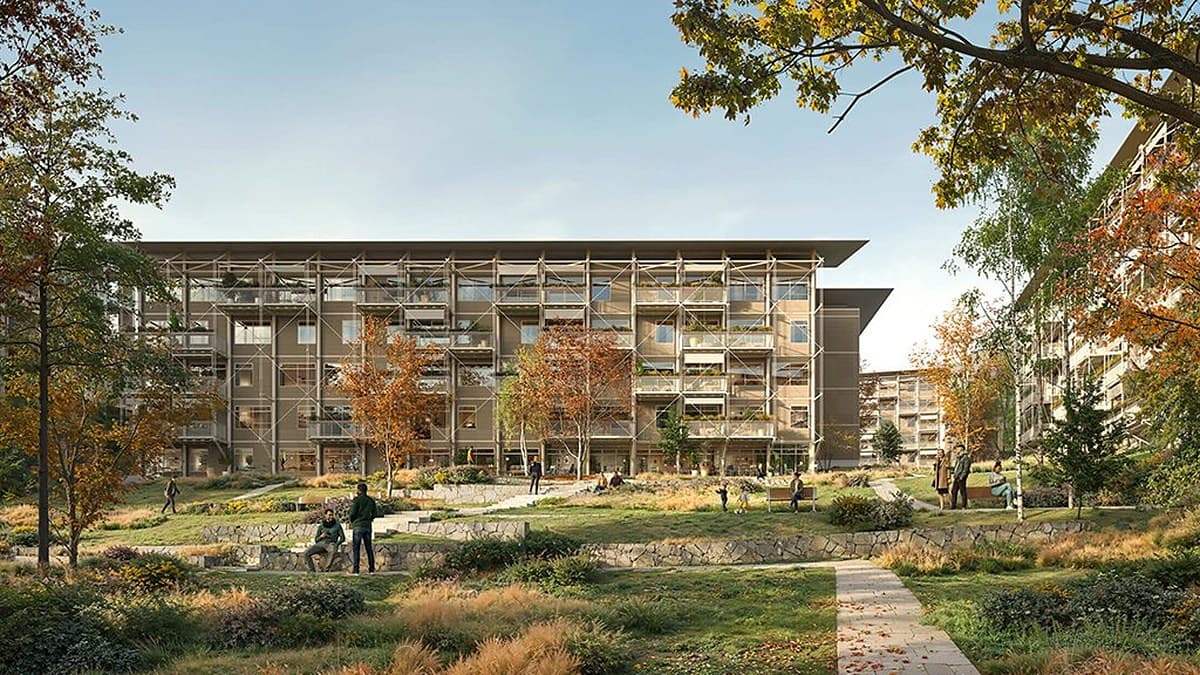
The housing market stands to benefit from the latest code revisions that now allow unenclosed mass timber structures up to eight stories and fully enclosed systems to 18 stories. Firms such as Perkins&Will, backed by the DIGITAL innovation cluster, are already piloting mass‑timber mid‑rise projects that promise faster delivery schedules and reduced embodied carbon. These developments position wood as a viable alternative to concrete and steel in urban infill, especially for the "Goldilocks" segment of low‑ to mid‑rise homes where repeatable, quick‑to‑assemble modules can meet demand without sacrificing design flexibility.
Nevertheless, builders caution that regulatory reforms alone won’t solve affordability challenges. Land prices, development charges, financing costs and municipal fees continue to dominate total project expenses, limiting the proportion of savings that modular construction can deliver. For the timber sector to fully capitalise on the projected demand, policymakers must pair code harmonisation with broader housing‑policy interventions that address land supply and financing structures. If coordinated effectively, the convergence of regulatory clarity, technological readiness, and market demand could transform Canada’s timber economy and set a benchmark for low‑carbon construction worldwide.
Going Modular Could Add 500M Board Feet to Canada’s Timber Demand
Comments
Want to join the conversation?
Loading comments...