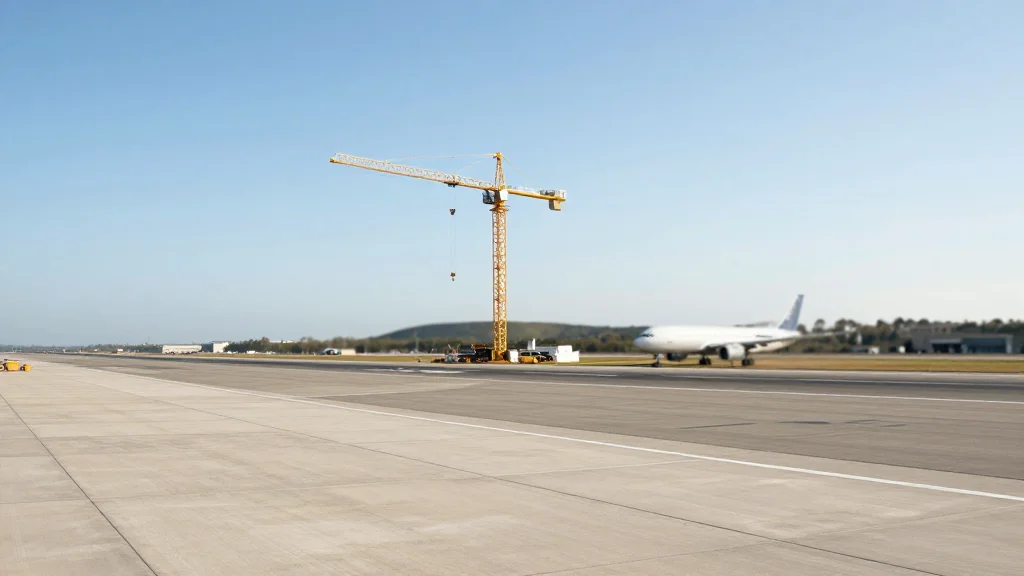
Heathrow Third Runway Construction Project Faces Rival $67 Billion Expansion Bids
Companies Mentioned
Why It Matters
Opening the procurement to competition could reshape financing, lower fees, and set a precedent for large‑scale UK infrastructure projects, affecting airlines, investors, and regional economies.
Key Takeaways
- •CAA may open third‑runway procurement to competing firms.
- •Project total investment estimated at $67 bn; runway cost $41‑$45 bn.
- •Alternative Heathrow West plan proposes 2.8 km runway, new Terminal 6.
- •Airlines push for competitive models to lower airport charges.
- •Heathrow Holdings favors single‑operator model to simplify operations.
Pulse Analysis
Heathrow’s third‑runway project remains the crown jewel of Europe’s aviation expansion, with an estimated $67 bn price tag that dwarfs most airport upgrades. The runway itself, projected at $41‑$45 bn, is central to the UK’s strategy to preserve Heathrow’s status as a global hub, especially as capacity constraints threaten airline growth. By targeting a 2029 planning submission and a 2035 opening, the programme aligns with the government’s broader aviation growth agenda, but it also faces intense scrutiny over cost overruns and environmental impact.
The CAA’s move to entertain competitive bidding marks a shift from the traditional single‑operator model that Heathrow Airport Holdings has championed. Rival proposals, such as the Arora Group’s Heathrow West scheme, suggest a shorter 2.8 km runway paired with a new Terminal 6, promising reduced construction disruption and lower passenger fees. Airlines like British Airways and Virgin Atlantic back these alternatives, hoping to curb the airport’s reputation as one of Europe’s most expensive. A multi‑operator framework could also attract private capital, diversify risk, and accelerate delivery through market‑driven efficiencies.
Beyond Heathrow, the outcome will reverberate across the UK’s infrastructure landscape. If competitive procurement proves successful, it could become a template for future privately financed projects, from regional airports to high‑speed rail. Conversely, a decision to retain a single‑operator approach may reinforce the status quo, limiting innovation in financing and delivery. Stakeholders—from sovereign wealth investors to environmental groups—will watch closely, as the chosen model will influence cost structures, regulatory oversight, and the nation’s ability to meet climate commitments while expanding critical transport capacity.
Heathrow Third Runway Construction Project Faces Rival $67 billion Expansion Bids
Comments
Want to join the conversation?
Loading comments...