Highways Maintenance Doesn’t Fail because People Don’t Care. It Fails because They Can’t See
Why It Matters
Integrated data reduces costly duplication, improves safety, and helps stretched budgets deliver faster, more reliable road maintenance, directly impacting public confidence and economic productivity.
Key Takeaways
- •England filled 1.9 M potholes in 2023‑24, costing £16.81 bn (~$21 bn).
- •Data silos force manual joins, increasing risk and response times.
- •Causeway One offers a cloud platform to unify asset, works, traffic data.
- •AI integration will automate low‑value data tasks, speeding decision‑making.
- •Improved visibility reduces public complaints and optimizes crew allocation.
Pulse Analysis
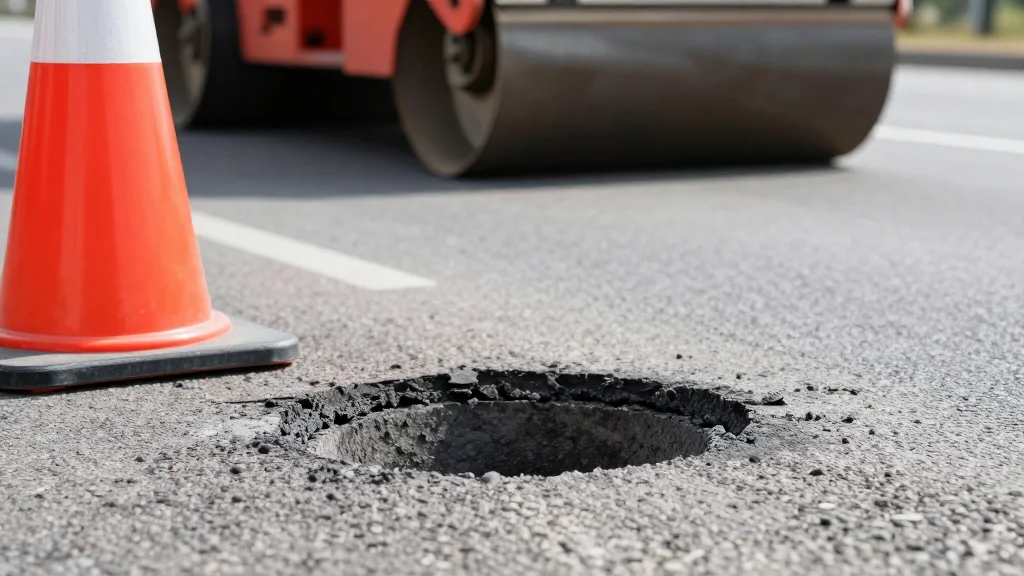
The scale of England’s road‑maintenance crisis is staggering. The National Audit Office recorded 1.9 million potholes filled in the 2023‑24 fiscal year, while the Asphalt Industry Alliance warns a pothole appears every 18 seconds, driving a repair backlog that now exceeds £16.81 bn—roughly $21 bn. This relentless deterioration strains already tight municipal budgets and fuels public frustration, as motorists see only the visible holes, not the complex planning required to address them.
Compounding the problem is the fragmentation of legacy systems. Agencies rely on tools such as the DfT’s Street Manager for planning, separate traffic‑order platforms, and myriad asset‑management databases. Because these applications rarely communicate, staff spend valuable hours manually stitching data together, delaying risk assessments and inflating operational costs. Causeway One tackles this by providing a single, cloud‑based hub that aggregates asset, works and traffic information, delivering a shared, real‑time view of the network. The platform’s design respects existing investments, layering coordination capabilities without forcing wholesale system replacement.
Looking ahead, artificial intelligence promises to lift the burden of low‑value data processing. By automating routine tasks—such as flagging weather‑exposed assets or reconciling work orders—AI frees managers to focus on strategic decisions, accelerating response times and improving safety outcomes. As AI‑driven insights become mainstream, authorities that adopt integrated, intelligent platforms will gain a competitive edge, delivering smoother journeys for the public while safeguarding their financial sustainability.
Highways maintenance doesn’t fail because people don’t care. It fails because they can’t see
Comments
Want to join the conversation?
Loading comments...