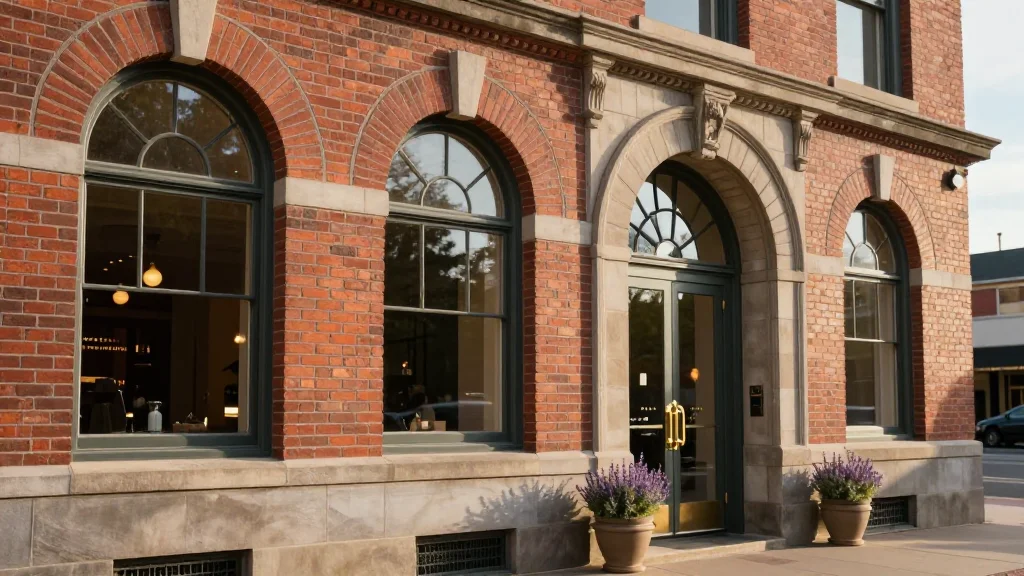
Historic Post Office in Bend Redeveloped Into Boutique Hotel
Why It Matters
The conversion demonstrates how historic preservation can drive new hospitality revenue, boosting downtown tourism and local economic activity. It signals confidence in Bend’s real‑estate market and the boutique hotel segment’s growth potential.
Key Takeaways
- •23 uniquely designed rooms occupy the 1930s post office
- •Project reused 175,000 bricks and 44 original windows
- •Embarcadero Hospitality Group leads boutique hotel expansion in Oregon
- •Adaptive reuse preserves historic architecture while boosting downtown tourism
- •Hotel named for pioneering mail carrier Minnie Westman
Pulse Analysis
The conversion of Bend’s former United States Post Office into The Westman exemplifies the growing adaptive‑reuse movement in midsize U.S. cities. Built in the 1930s and listed on the National Register of Historic Places, the structure’s brick façade, terrazzo floors and original windows have been retained, allowing the hotel to offer guests a tangible sense of history while delivering modern amenities. Such projects address two competing pressures—preserving cultural heritage and meeting demand for new hospitality inventory—without the environmental cost of new construction. For Bend, a tourism‑driven economy, the hotel adds a distinctive lodging option that differentiates the downtown core from generic chain properties.
Embarcadero Hospitality Group, an Oregon‑based operator, is leveraging the boutique segment’s appetite for authentic experiences. By naming the property after Minnie Westman, the first female mail carrier west of the Mississippi, the brand taps into a narrative of pioneering spirit that resonates with both locals and visitors. The 23 rooms were individually curated by local artists, integrating regional craftsmanship with the building’s historic fabric. This approach aligns with a broader industry shift toward hyper‑local design, where hotels act as cultural ambassadors rather than mere accommodation providers, driving higher average daily rates and guest loyalty.
Economically, The Westman is expected to generate roughly 50 full‑time positions and stimulate ancillary spending at nearby restaurants, galleries, and retail shops. The project’s multi‑million‑dollar investment signals confidence in Bend’s real‑estate market, potentially encouraging further redevelopment of underutilized historic assets. Moreover, the hotel’s success could serve as a template for other Pacific Northwest municipalities seeking to revitalize downtown corridors while preserving architectural heritage. As boutique hotels continue to capture a larger share of travel spend, adaptive‑reuse developments like The Westman illustrate how preservation and profitability can coexist.
Historic Post Office in Bend Redeveloped into Boutique Hotel
Comments
Want to join the conversation?
Loading comments...