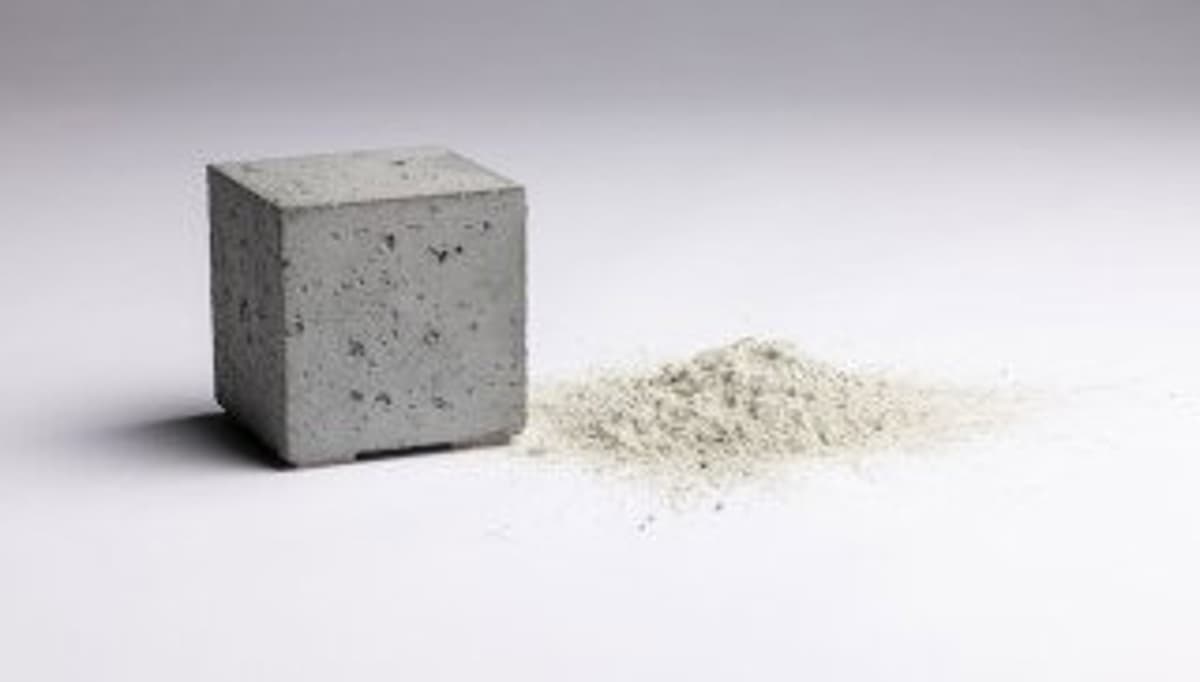
Holcim Deploys Carbon-Storing Concrete Technology in German Logistics Project
Why It Matters
The reduction in cement and permanent CO₂ storage demonstrate a scalable pathway for decarbonising construction, a sector responsible for roughly 8 % of global emissions.
Key Takeaways
- •15% cement reduction achieved with Paebbl Rebond concrete mix.
- •886 kg CO₂ permanently mineralised across 420 m² floor slab.
- •Project delivered from concept to site in six months.
- •Verified Environmental Product Declaration validates low‑carbon claims.
- •Demonstrates commercial viability of carbon‑mineralisation in Europe.
Pulse Analysis
The cement industry accounts for about 8 % of global CO₂ emissions, prompting major players like Holcim to explore low‑carbon alternatives. Paebbl’s technology uses accelerated mineralisation to turn captured CO₂ into a stable magnesium‑carbonate powder that can replace a portion of traditional clinker. By integrating this mineralised SCM, Holcim not only reduces the carbon intensity of its concrete but also creates a market for captured CO₂, aligning with Europe’s tightening climate regulations and the growing demand for green building materials.
In the German logistics centre, the Holcim‑Paebbl concrete mix was applied to a 420 m² floor slab, delivering a 15 % cut in cement consumption and locking away 886 kg of CO₂ for the life of the structure. The project progressed from concept to on‑site implementation within six months, a timeline accelerated by laboratory validation at Holcim’s Innovation Center in Lyon and field trials at its South Germany plant. A verified Environmental Product Declaration (EPD) was produced, giving architects and developers quantifiable data on the mix’s carbon savings and supporting green‑building certifications.
The successful rollout signals that carbon‑mineralisation can move beyond pilot labs into mainstream construction. As building codes increasingly reward low‑embodied‑carbon materials, developers are likely to adopt such mixes to meet sustainability targets and avoid future carbon taxes. For Holcim, the partnership with Paebbl opens a pathway to scale the technology across Europe and potentially into North America, reinforcing its position as a leader in the transition to a net‑zero built environment.
Holcim deploys carbon-storing concrete technology in German logistics project
Comments
Want to join the conversation?
Loading comments...