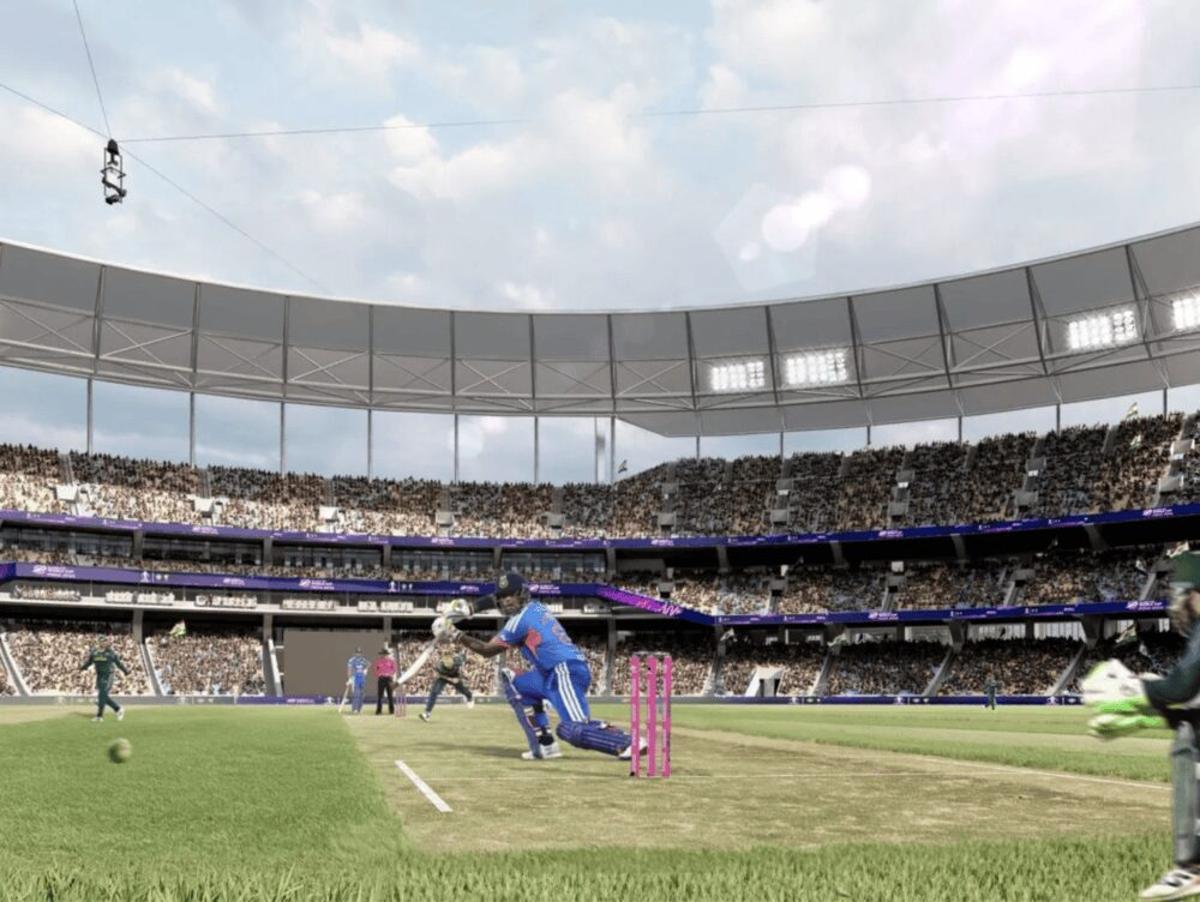
“Home of Indian Cricket” To Be Expanded
Why It Matters
The upgrade unlocks new revenue streams through expanded corporate hospitality and non‑match day events, strengthening Eden Gardens’ position as a premier sports and entertainment venue in India.
Key Takeaways
- •Capacity rises from 68,000 to 85,000 seats.
- •41,000 sq ft dedicated to hospitality zones.
- •Six seating categories and 30% more corporate seats.
- •Fan zones and member club integrate surrounding gardens.
- •Design emphasizes safety, sustainability, and year‑round use.
Pulse Analysis
Eden Gardens, built in 1864 and famed as the “Home of Indian cricket,” has long been a cultural landmark in Kolkata. With a current capacity of 68,000, it ranks third worldwide after the Narendra Modi Stadium and Melbourne Cricket Ground, both nearing the 100,000‑seat mark. The stadium’s aging infrastructure and growing demand from the Indian Premier League prompted a major redevelopment. Populous, a Kansas‑based architecture firm, was commissioned to deliver a 21st‑century upgrade that respects the historic façade while addressing modern performance standards. The upgrade also aims to attract future international tournaments.
The new design lifts seating to 85,000, adding a sky deck and six distinct seating categories. Hospitality receives a major boost: 41,000 square feet of premium lounges, boxes and a members’ club, plus a 30 % increase in corporate seats. Fan zones tailored for IPL crowds will spill into the surrounding gardens, creating a year‑round destination. Populous integrated safety upgrades, energy‑efficient systems and modular construction to meet sustainability goals while preserving sightlines, ensuring that every ball is heard clearly even in a larger crowd. These enhancements are expected to lift per‑capita spend dramatically.
The Eden Gardens expansion reflects a broader shift in Indian sport infrastructure toward revenue‑generating, multi‑use venues. By enlarging corporate hospitality and non‑match day facilities, owners can monetize concerts, exhibitions and community events, reducing reliance on cricket alone. The project also demonstrates how legacy stadiums can be retrofitted within dense urban cores without displacing heritage. As the IPL continues to drive record attendance and broadcast earnings, similar upgrades are expected across the subcontinent, positioning Indian cricket venues as global benchmarks for fan experience and financial sustainability. Investors are closely watching the return on these capital outlays.
“Home of Indian cricket” to be expanded
Comments
Want to join the conversation?
Loading comments...