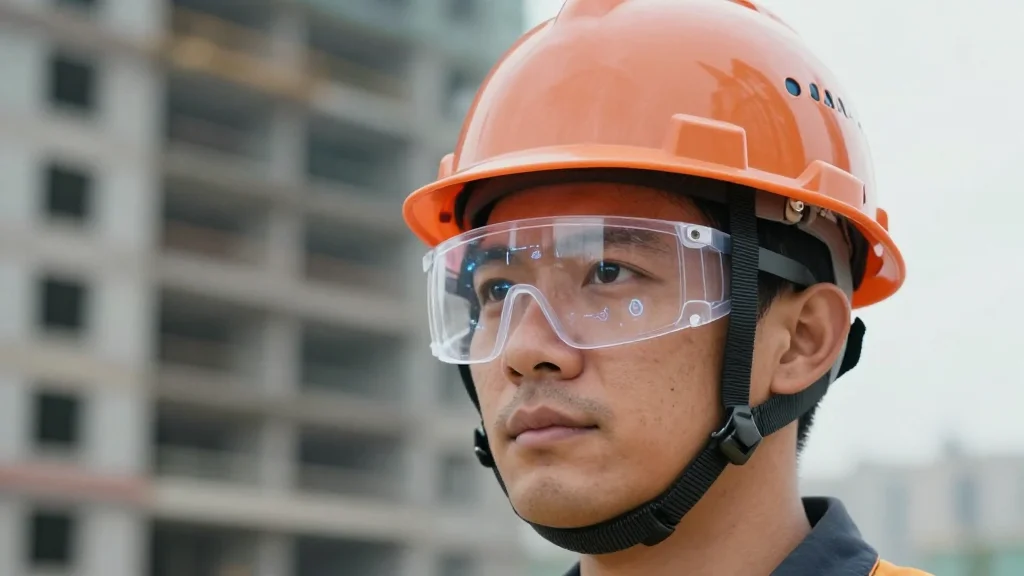
How 3 Builders Are Using AI for Safety
Why It Matters
AI‑driven safety tools give contractors real‑time, data‑backed guidance, potentially lowering injury rates and liability. Their rapid adoption signals a shift toward smarter, more proactive risk management across the construction industry.
Key Takeaways
- •Skanska's Safety Sidekick draws from EHS manual, OSHA standards
- •Turner’s SafeT Coach logged 25,000 AI interactions for safety queries
- •Balfour Beatty uses Caterpillar’s Cat Detect to alert operators of nearby workers
- •AI tools include safeguards against hallucinations by returning “I don’t know.”
- •Generative AI adoption spreads across construction firms during Safety Week
Pulse Analysis
The construction sector is embracing generative AI as a safety catalyst, moving beyond traditional paperwork to real‑time decision support. During Construction Safety Week, industry leaders highlighted how large language models can ingest regulatory texts, internal manuals, and field data to answer on‑site questions instantly. This shift reflects broader enterprise AI trends, where firms leverage proprietary knowledge bases to reduce reliance on manual lookup and improve compliance with OSHA and local standards.
Skanska’s Safety Sidekick, Turner’s SafeT Coach, and Balfour Beatty’s Cat Detect system each illustrate a distinct application of AI. Skanska’s tool mines its extensive EHS repository, offering planners contextual insights while employing a vetting layer that forces the model to admit uncertainty, curbing hallucinations. Turner’s SafeT Coach, built on OpenAI’s platform and soon on Google Gemini, provides flow‑charts and permit checklists, already logging more than 25,000 interactions that streamline safety briefings. Balfour Beatty pairs intelligent cameras with adaptive alarms, differentiating humans from objects and scaling alerts as workers approach heavy equipment, a practical sensor‑fusion approach that complements human judgment.
The convergence of large language models and edge‑based perception systems promises a safer construction environment, yet challenges remain. Companies must balance AI assistance with human oversight, ensuring that false positives or missed detections do not erode trust. Data privacy, model maintenance, and integration with existing EHS workflows are critical success factors. As AI safety tools mature, they are likely to become standard components of job‑site kits, driving down accident costs, improving insurance premiums, and setting new industry benchmarks for proactive risk mitigation.
How 3 builders are using AI for safety
Comments
Want to join the conversation?
Loading comments...