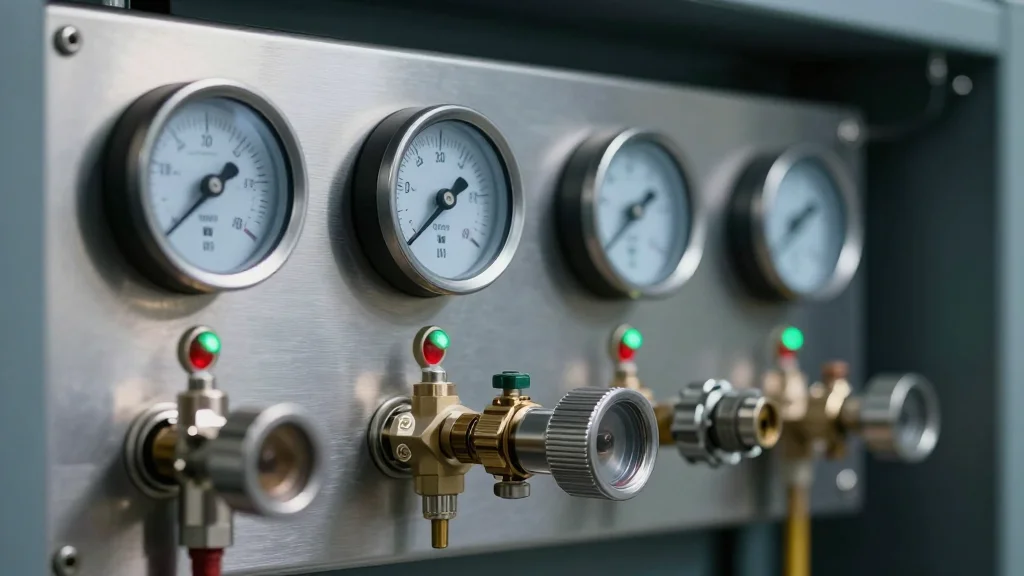
How Instrumentation Shapes the Buildings We Build
Why It Matters
Without integrated instrumentation planning, owners face higher maintenance costs, energy waste, and reduced operational resilience, undermining the promise of smart, efficient buildings.
Key Takeaways
- •Instrumentation often omitted in early construction specs, causing later integration issues
- •Incompatible signal protocols increase long‑term maintenance complexity
- •Early coordination of sensors and controllers reduces costly retrofits
- •DIN‑size panel constraints can force redesign if not planned
- •Owners treating instrumentation as design input improve building performance
Pulse Analysis
The surge in smart‑building initiatives has put process control instrumentation at the heart of commercial construction, even though it remains invisible to most architects and contractors. Sensors that monitor temperature, pressure, humidity, and flow feed real‑time data to controllers, which continuously adjust valves, heaters, and drives. This hidden layer enables the precise environmental control demanded by modern kitchens, pharmaceutical clean rooms, and high‑performance HVAC systems, directly influencing energy consumption and occupant comfort.
Yet a persistent specification gap leaves instrumentation to be addressed after the core building documents are set. Vendors often supply proprietary controllers and disparate signal standards—4‑20 mA, Modbus RTU, or custom protocols—without a unified architecture. The result is a patchwork of incompatible devices, cramped panel enclosures, and frequent nuisance alarms that burden facilities staff for the building’s lifespan. These integration challenges translate into higher capital expenditures for retrofits, increased commissioning time, and missed opportunities for energy savings.
Forward‑thinking owners and design firms are shifting the conversation, treating instrumentation as a foundational design element rather than an afterthought. By involving instrumentation specialists during the mechanical and electrical design phases, teams can define sensor locations, panel sizes, and communication networks up front, ensuring compatibility with building automation systems. This proactive approach reduces installation errors, streamlines commissioning, and unlocks the full potential of data‑driven operations, positioning buildings to meet stricter energy codes and leverage emerging IoT and digital‑twin technologies. The payoff is a more resilient, efficient asset that delivers measurable ROI over its service life.
How Instrumentation Shapes the Buildings We Build
Comments
Want to join the conversation?
Loading comments...