How the Right Insulation Can Maximize Building Energy Efficiency
Why It Matters
Effective insulation directly lowers utility expenses and carbon emissions while boosting property value, making it a strategic investment for owners and developers. It also ensures compliance with tightening building codes and green‑building certifications.
Key Takeaways
- •High R‑value alone isn’t enough; climate and moisture resistance matter
- •Rigid foam boards deliver space‑efficient thermal protection
- •Improper installation creates gaps that negate material performance
- •Energy modeling helps select optimal insulation for each envelope
- •Better insulation reduces HVAC wear and extends equipment life
Pulse Analysis
In today’s construction landscape, insulation has moved from a afterthought to a decisive factor in a building’s energy profile. As heating and cooling can account for up to 60% of a structure’s operating costs, developers are scrutinizing envelope performance to meet stricter energy codes and sustainability targets. The shift toward net‑zero construction amplifies demand for materials that not only resist heat flow but also manage moisture, air infiltration, and thermal bridging, positioning insulation as a linchpin of modern design.
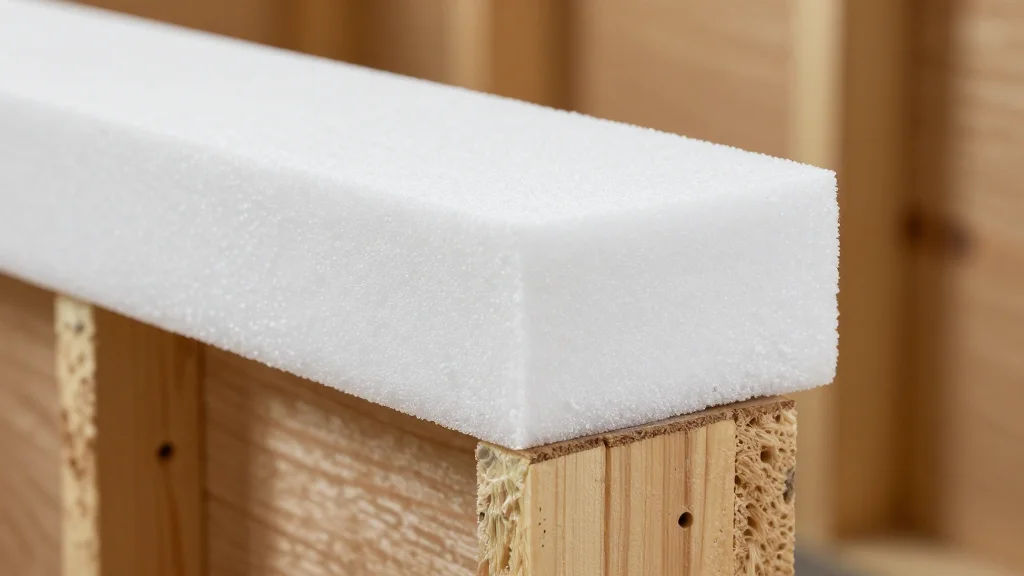
Choosing the right insulation involves balancing R‑value, climate suitability, and installation quality. Fiberglass remains a cost‑effective staple, yet its performance hinges on flawless fitting. Spray foams excel at air sealing, with closed‑cell variants adding structural strength, while cellulose offers recycled content and retrofit flexibility. Rigid foam boards—EPS, XPS, and polyiso—stand out for delivering high R‑values per inch and superior moisture resistance, making them ideal for continuous insulation in walls, roofs and foundations. However, their higher upfront price requires careful cost‑benefit analysis, often justified by long‑term energy savings and reduced thermal bridging.
From a business perspective, investing in high‑performance insulation yields measurable ROI. Lower heating and cooling bills, diminished HVAC wear, and enhanced occupant comfort translate into higher property valuations and tenant satisfaction. Moreover, superior envelope performance supports LEED, ENERGY STAR and other green certifications, opening access to incentives and premium market positioning. Engaging architects, engineers and specialized contractors early—using energy modeling tools—ensures the insulation strategy aligns with design intent, local code requirements, and climate realities, turning what was once a construction cost into a strategic asset for profitability and sustainability.
How the Right Insulation Can Maximize Building Energy Efficiency
Comments
Want to join the conversation?
Loading comments...