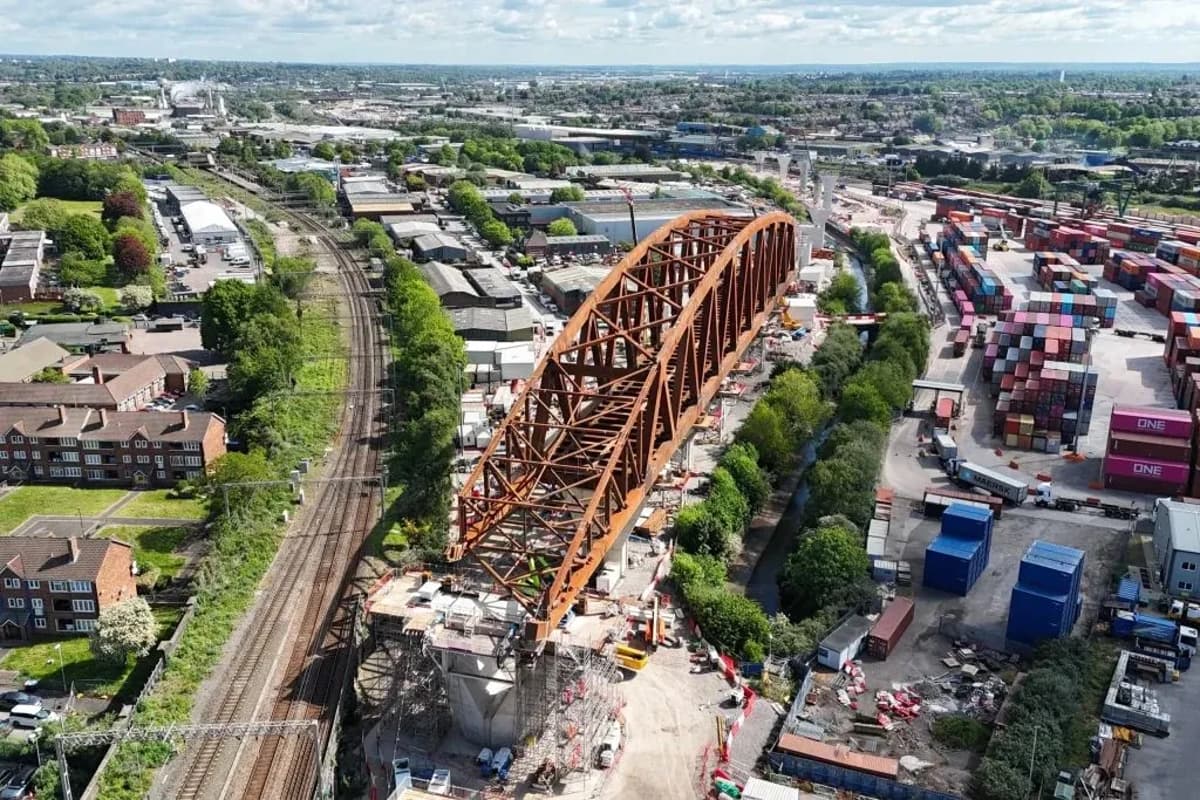
HS2 and the Growing Cost of Long-Term Uncertainty
Why It Matters
HS2’s ballooning cost and timeline expose the fiscal risk of megaprojects that lack agile inflation tracking and robust governance, signaling higher budgetary strain for future UK infrastructure initiatives.
Key Takeaways
- •HS2 cost now $130 bn, up from $62 bn estimate.
- •Operational date pushed to 2039, 19 years after construction start.
- •Inflation accounts for one‑third of HS2 cost overruns.
- •Delays compound inflation, increasing labour, material, and financing costs.
- •UK projects face governance, scope changes, and tech‑driven uncertainty.
Pulse Analysis
HS2’s spiralling budget illustrates how high‑speed rail schemes can become financial black holes when initial estimates ignore the volatility of construction markets. The project’s cost has surged from an original £32 bn (about $62 bn) to £102.7 bn ($130 bn) at 2025 prices, while its operational horizon has slipped to 2039—nearly two decades after groundbreaking. This escalation is not merely a budgeting error; it reflects a broader pattern where large‑scale transport initiatives are vulnerable to macro‑economic shocks, policy shifts, and evolving technical standards.
A key driver of the overruns is inflation, which BCIS attributes to roughly one‑third of the excess spend. Yet inflation is only the tip of the iceberg. Each year of delay compounds cost pressures as labour wages, material prices, and financing rates climb in tandem. The BCIS General Civil Engineering Cost Index forecasts a 14 % rise over the next five years, a modest annual increase that compounds dramatically over a multi‑decade horizon. Effective cost management now demands continuous re‑baselining of inflation assumptions, dynamic risk registers, and real‑time market intelligence to prevent outdated forecasts from locking projects into unsustainable trajectories.
Beyond the numbers, HS2’s saga raises fundamental questions about the UK’s infrastructure governance framework. Frequent scope revisions, political turnover, and the rapid pace of technological change erode delivery certainty and inflate risk premiums. To restore confidence, policymakers must embed stricter oversight mechanisms, adopt modular project designs that allow incremental delivery, and institutionalize rolling cost reviews. By aligning long‑term ambition with disciplined, adaptable budgeting, future megaprojects can avoid the costly pitfalls that have plagued HS2 and deliver tangible economic benefits on schedule.
HS2 and the growing cost of long-term uncertainty
Comments
Want to join the conversation?
Loading comments...