HSE Warns Against Dry Cutting of Stone in Fightback Against Silicosis
Why It Matters
Silicosis is a preventable yet deadly disease; enforcing strict controls protects workers and shields firms from legal and reputational risk. The HSE’s crackdown signals a regulatory shift that could reshape safety standards across the built‑environment sector.
Key Takeaways
- •HSE bans dry cutting engineered stone, calls it illegal
- •Over 1,000 site inspections scheduled in next year
- •Employers must use water suppression and low‑silica stone
- •Respiratory protective equipment and health surveillance now mandatory
- •New COSHH guidance follows two worker deaths from silicosis
Pulse Analysis
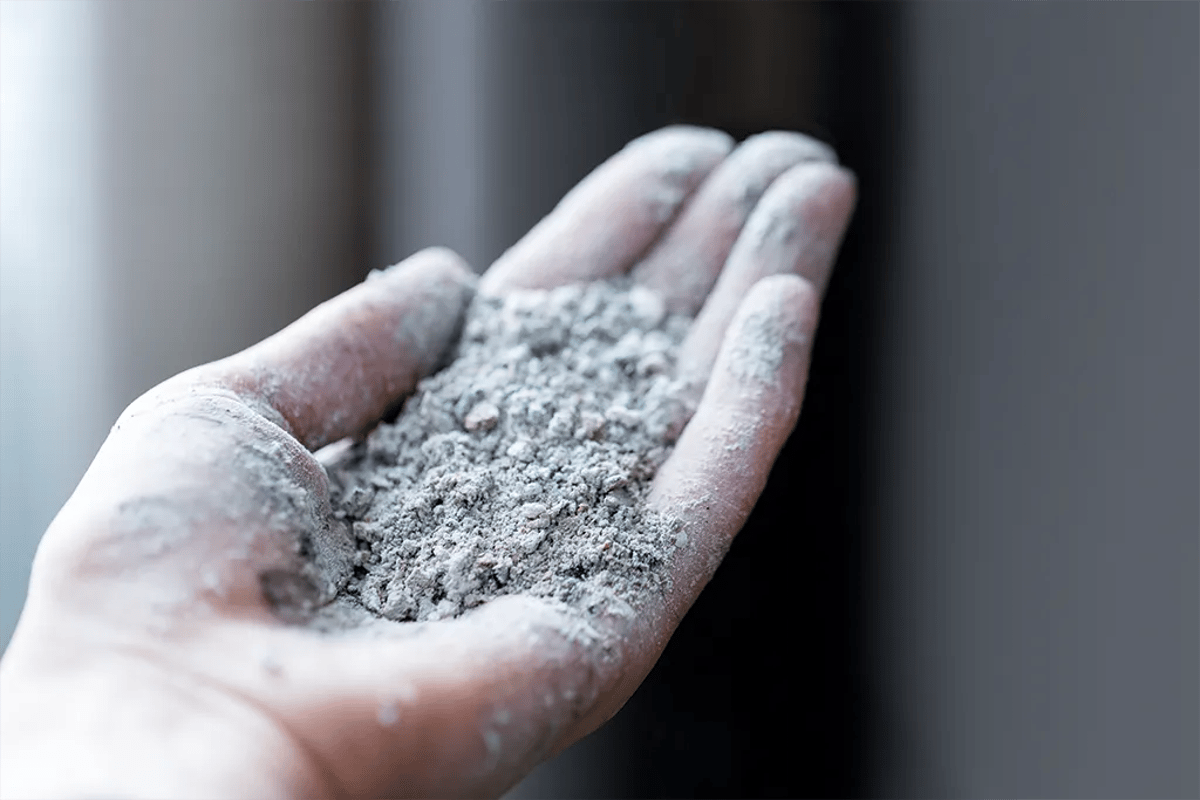
Silicosis, a lung disease caused by inhaling crystalline silica, has resurfaced as a critical occupational hazard in the UK after two fatal cases linked to engineered stone worktops. Engineered stone can contain up to 95% silica, and when cut dry, it releases fine dust that penetrates deep into the lungs, leading to chronic obstructive pulmonary disease, lung cancer, or irreversible silicosis. The Health and Safety Executive’s latest guidance arrives at a time when construction firms are under heightened scrutiny to protect frontline workers from invisible yet lethal exposures.
The HSE’s new COSHH document sets out clear, enforceable measures: mandatory water‑suppression during cutting, a shift to low‑silica engineered stone, provision of certified respiratory protective equipment, and ongoing health surveillance for exposed employees. Failure to comply now carries legal consequences under the Health and Safety at Work Act 1974, with more than 1,000 site inspections slated over the next twelve months. By defining dry cutting as illegal, the regulator aims to eliminate a practice that has persisted despite known risks, compelling manufacturers and contractors to invest in safer technologies and training.
Beyond immediate compliance, the guidance could catalyze broader industry transformation. Contractors may adopt automated wet‑cutting equipment, while suppliers might reform product lines to lower silica content, creating a market incentive for safer materials. The heightened focus on silica dust also dovetails with wider occupational health initiatives, such as joint quarry safety campaigns in Ireland and Northern Ireland. For businesses, early adoption of the HSE standards not only mitigates liability but also enhances workforce morale and brand reputation in an increasingly safety‑conscious market.
HSE warns against dry cutting of stone in fightback against silicosis
Comments
Want to join the conversation?
Loading comments...