Industry Perspectives Op-Ed: A New Model for Building on Indigenous Land
Why It Matters
By granting Indigenous Nations enforceable decision‑making power, the model reduces conflict, accelerates timelines and strengthens investor confidence in Canadian energy projects. It demonstrates that Indigenous governance can be a strategic asset rather than a hurdle.
Key Takeaways
- •Woodfibre LNG uses electric air cooling, protecting marine ecosystems
- •Squamish Nation holds binding authority in environmental assessment
- •Traditional knowledge integrated with scientific monitoring for marine mammals
- •Operator Training Program equips Indigenous workers for long‑term roles
- •Consent‑based model lowers project delays and investor risk
Pulse Analysis
Canada’s energy sector has long grappled with a consult‑after‑decide paradigm that often stalls projects and fuels mistrust. Recent years have seen Indigenous groups push for genuine authority rather than token consultation, culminating in consent‑based frameworks that embed Indigenous law and stewardship directly into regulatory processes. This shift aligns with global trends toward sustainable development and risk mitigation, offering a clearer path for large‑scale infrastructure to secure permits and financing without protracted disputes.
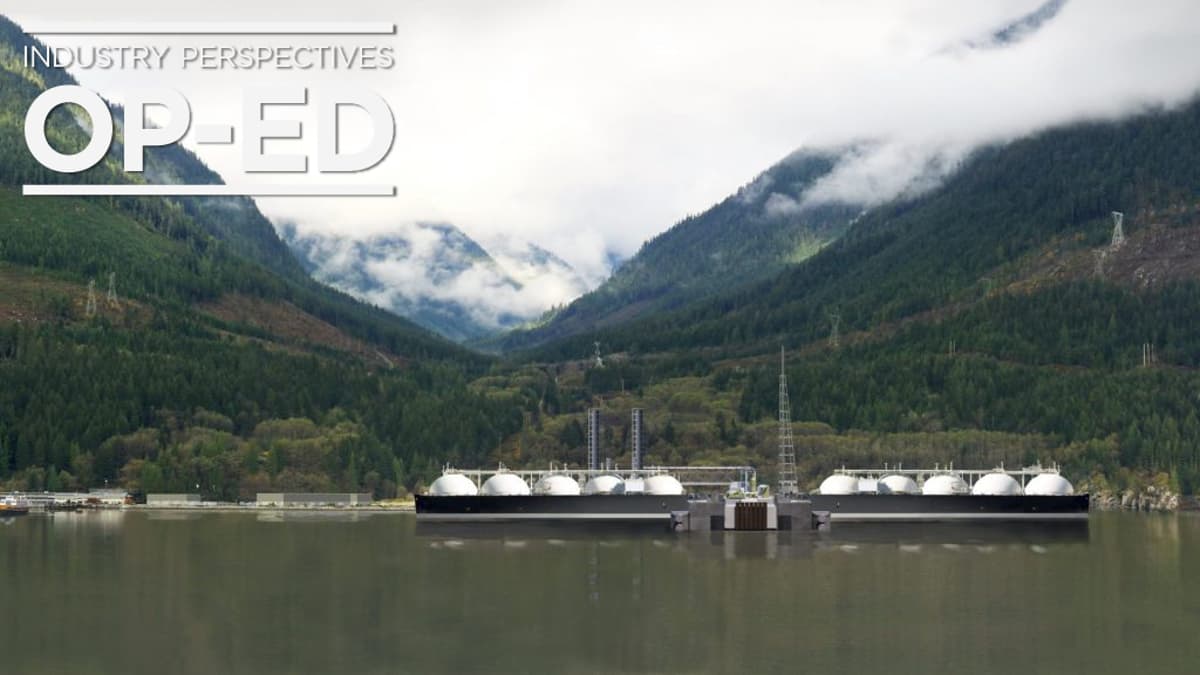
The Woodfibre LNG facility illustrates how the new model works in practice. Under a binding Environmental Assessment Agreement, the Squamish Nation co‑governs the project, ensuring that its environmental standards—such as electric‑driven air cooling and a hybrid marine‑mammal monitoring system—reflect both scientific rigor and traditional ecological knowledge. Parallel to technical upgrades, the Operator Training Program equips community members with skills for operations, maintenance and safety, creating a pipeline of Indigenous talent that supports long‑term employment and cultural continuity. These integrated measures raise project credibility, lower operational risk, and demonstrate a tangible return on partnership.
Industry observers see the Woodfibre example as a template for future Canadian projects. Investors increasingly demand certainty; a consent‑based approach delivers that by reducing litigation risk and shortening approval timelines. Moreover, the model strengthens social license, fostering community support that can translate into smoother supply‑chain relationships and market access. As Canada competes in a volatile global energy market, projects built on shared authority are poised to attract capital, meet ESG expectations, and set a new standard for Indigenous‑led development across the nation.
Industry Perspectives Op-Ed: A new model for building on Indigenous land
Comments
Want to join the conversation?
Loading comments...