Innovative Fix Saves Failing NYC Interceptor
Why It Matters
The success proves trenchless technologies can extend the life of critical infrastructure while keeping costs and public inconvenience low, a blueprint for dense metropolitan areas facing similar aging assets.
Key Takeaways
- •Spiral wound lining repaired 1,050 ft of interceptor without traffic closures
- •Project cost $29 million, finished in under two years
- •Traditional CIPP, slip lining, shotcrete unsuitable for rectangular, wet sewer
- •Five submersible pumps diverted live flow, enabling safe trenchless work
- •Method adds PVC liner and grout, boosting structural strength
Pulse Analysis
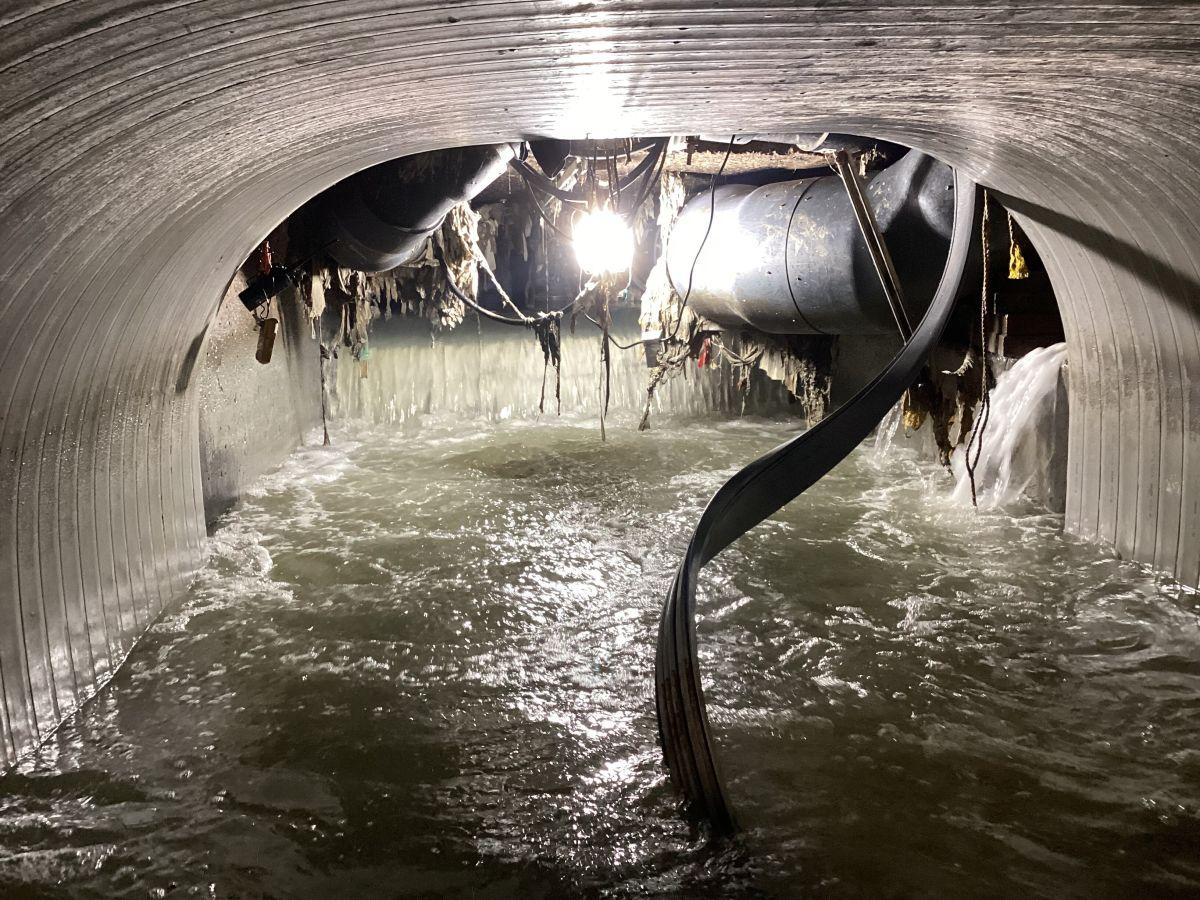
New York City’s aging sewer network has long been a hidden vulnerability, especially the massive concrete interceptor that channels East River runoff to treatment plants. Built in the 1960s, the structure showed severe cracking, threatening overflows and costly collapses. Conventional repair tactics—cut‑and‑cover, cured‑in‑place pipe, or slip‑lining—were impractical in the densely packed South Street Seaport district, where street closures would cripple tourism and nearby bridge supports left little room for utility relocation. The city needed a solution that could work underwater, in a rectangular conduit, and without disrupting daily life.
The Department of Design and Construction turned to spiral wound lining, a trenchless technology supplied by SEKISUI SPR. The process involves lowering a modular winding machine through an existing manhole, then rotating a PVC‑based profile around the interior of the pipe while a zipper‑like mechanism interlocks the material. Five submersible pumps temporarily diverted live sewer flow, creating a safe dry zone for divers to install the equipment. Once the liner was in place, grout filled the voids between the old concrete and the new PVC, restoring structural strength and eliminating the previous 40 percent flow‑capacity loss associated with slip lining. The entire operation cost $29 million and was completed in under two years, all without street closures or traffic detours.
The project sets a precedent for other megacities grappling with deteriorating underground assets. By avoiding costly surface disruptions and delivering a durable, corrosion‑resistant PVC liner, the method offers a compelling cost‑benefit ratio—especially when traditional methods would demand weeks of traffic management and higher material expenses. As climate change intensifies storm events, resilient, low‑disruption repairs become essential for maintaining public safety and economic continuity. The success of NYC’s interceptor repair may accelerate adoption of spiral wound lining across the United States, reshaping how municipalities approach legacy sewer rehabilitation.
Innovative Fix Saves Failing NYC Interceptor
Comments
Want to join the conversation?
Loading comments...