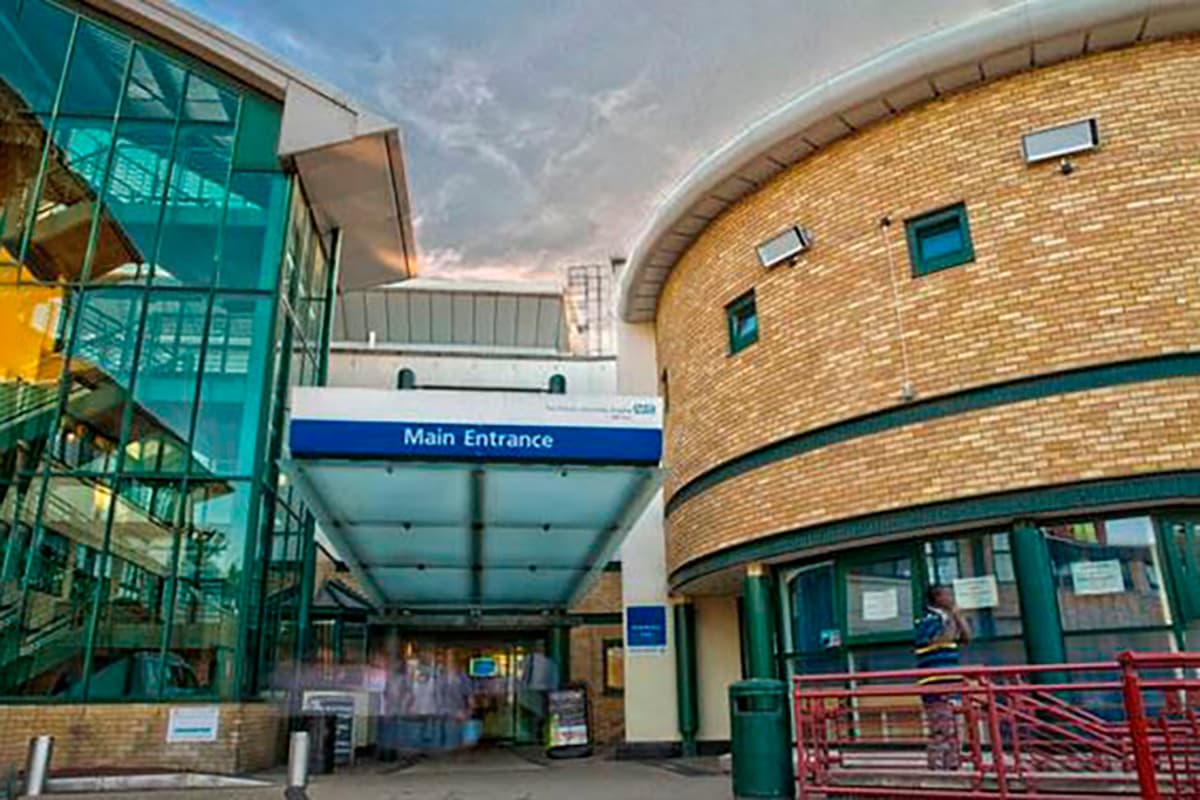
Insufficient Contingency Funds Risk New Hospital Programme Delays, MPs Warn
Why It Matters
Without a larger financial buffer and stronger governance, the programme risks delayed hospital capacity, higher taxpayer costs, and strained NHS services. Elevating it to megaproject status could improve funding flexibility and accountability.
Key Takeaways
- •Only 3% contingency on $11.3bn project budget.
- •39% staffing vacancy threatens project expertise.
- •PAC urges megaproject classification for tighter oversight.
- •Delays could push new hospital openings beyond 2040.
Pulse Analysis
The New Hospital Programme, launched in 2019, represents one of the UK’s most ambitious health‑infrastructure investments, targeting 46 new or expanded sites by 2040 and allocating roughly $76 billion over 25 years. By design, the initiative aims to modernise aging facilities, address capacity shortfalls, and support regional health economies. However, the scale of the effort places it alongside global megaprojects such as high‑speed rail and large‑scale renewable energy builds, where robust risk buffers and dedicated governance structures are standard practice.
A key concern highlighted by the Public Accounts Committee is the programme’s modest 3% contingency on an $11.3 billion construction pipeline. In volatile economic conditions—characterised by rising material costs and labour shortages—such a thin cushion leaves little room for unexpected overruns, echoing past delays in the NHS’s reinforced autoclaved aerated concrete (RAAC) remediation. Comparatively, similar infrastructure megaprojects allocate 10‑15% contingency to absorb shocks, suggesting the current approach may be under‑resourced and could inflate overall taxpayer exposure.
If delays cascade, the NHS could face prolonged capacity gaps, impacting patient wait times and regional health outcomes. The PAC’s recommendation to reclassify the programme as a megaproject would unlock fixed capital funding, flexible year‑to‑year allocations, and streamlined decision‑making—tools that could accelerate staffing fills and improve project oversight. Annual public reporting would also enhance transparency, allowing policymakers and the public to track progress and intervene early. Ultimately, strengthening financial buffers and governance is essential to ensure the New Hospital Programme delivers its promised health benefits on schedule and within budget.
Insufficient contingency funds risk New Hospital Programme delays, MPs warn
Comments
Want to join the conversation?
Loading comments...