Irish Cement Sector Targets 90% Fossil Fuel Reduction Through SRF Use
Why It Matters
Decarbonising cement—a highly carbon‑intensive industry—can dramatically lower Ireland’s emissions while creating a valuable market for waste‑derived fuel, influencing climate policy and construction supply chains.
Key Takeaways
- •Target: 90% fossil fuel cut in 15 years via SRF.
- •2024 SRF use: 325,000 tonnes, 22% of waste treatment.
- •Potential SRF capacity: up to 860,000 tonnes annually.
- •Regulatory and market risks could limit SRF expansion.
- •Industry calls for government‑waste‑research coordination.
Pulse Analysis
Europe’s cement sector accounts for roughly 7% of the bloc’s CO₂ output, making it a focal point of the EU’s Green Deal. Ireland, with four operating kilns, has a unique opportunity to lead by integrating solid recovered fuel—derived from non‑recyclable waste—into its high‑temperature processes. By substituting traditional coal and petcoke, SRF can slash direct emissions, reduce reliance on imported fossil fuels, and align the industry with the EU’s 2030 climate targets.
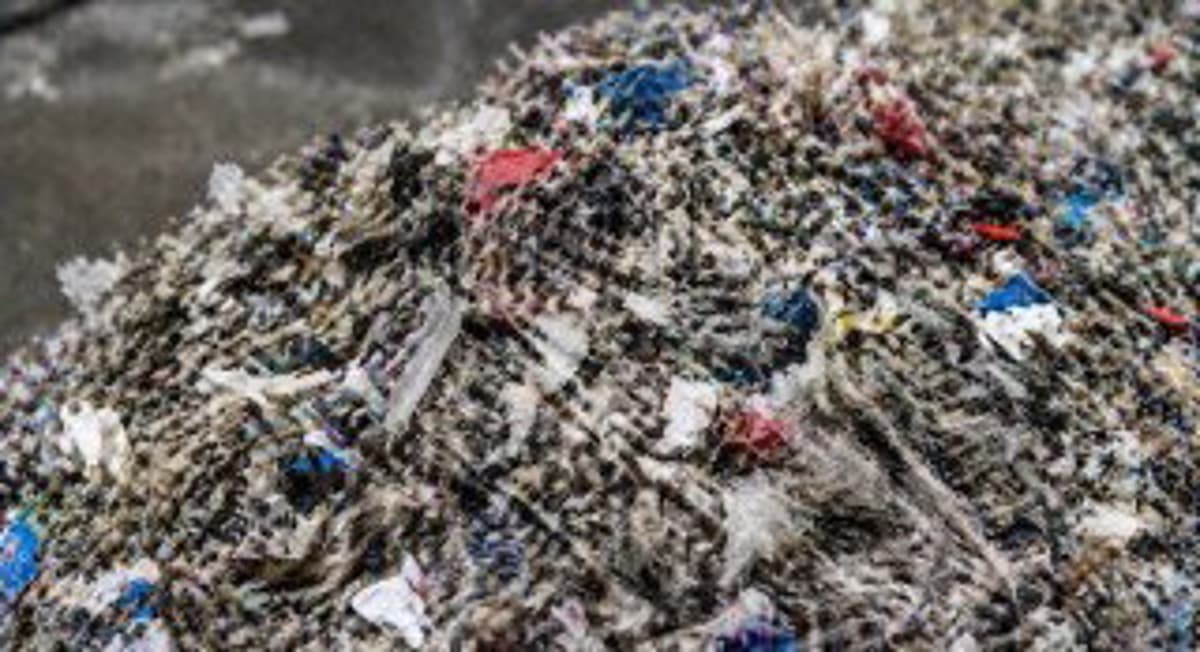
Solid recovered fuel is produced by shredding and densifying residual waste streams, turning material that would otherwise occupy landfills into a high‑energy feedstock. Current Irish capacity sits near 430,000 tonnes per year, supplied mainly by Beauparc/Panda and Thornton’s. Scaling to 860,000 tonnes would require modest capital upgrades and clear regulatory pathways to certify waste‑derived fuels for kiln use. The environmental upside includes lower carbon intensity per tonne of cement and a circular‑economy loop that diverts waste from disposal sites, while the economic upside hinges on stable waste supply contracts and predictable carbon pricing.
However, the pathway is not frictionless. Shifting EU recycling directives may tighten the pool of eligible waste, and construction cycles can cause demand volatility for cement, directly affecting SRF consumption. CMI’s call for coordinated policy—linking waste management, energy, and industrial regulation—aims to mitigate these risks. A proactive framework could unlock financing, standardise fuel specifications, and provide the industry with the certainty needed to invest in larger SRF handling facilities, positioning Ireland as a model for low‑carbon cement production.
Irish cement sector targets 90% fossil fuel reduction through SRF use
Comments
Want to join the conversation?
Loading comments...