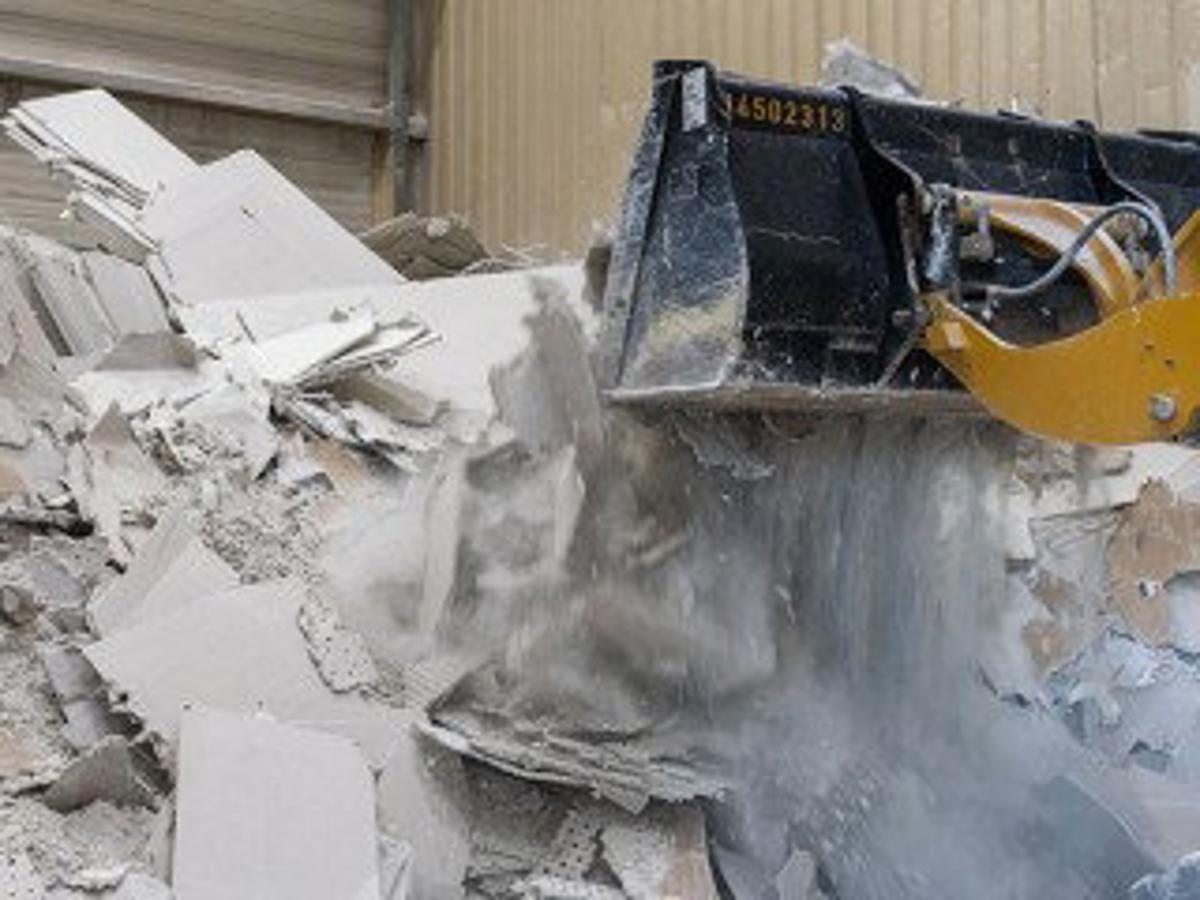
Knauf and BSR Enter Gypsum Recycling Joint Venture
Companies Mentioned


Why It Matters
The venture creates a scalable supply of low‑cost, recycled gypsum, helping builders meet tightening environmental regulations and reducing reliance on virgin raw materials.
Key Takeaways
- •Knauf and BSR form 50/50 gypsum recycling JV.
- •JV targets 500,000 tonnes annual recycled gypsum capacity.
- •Investment of €50 million (~$55 million) to build first plant.
- •Project supports EU circular‑economy goals and reduces landfill.
- •Recycled gypsum will supply construction market, lowering raw material costs.
Pulse Analysis
Gypsum, a core component of drywall and plaster, generates millions of tons of waste each year from demolition and off‑cuts. In Europe, landfilling gypsum is increasingly restricted due to its sulfur content and the associated environmental concerns. The EU’s Waste Framework Directive pushes member states toward a circular‑economy model, encouraging the recovery and reuse of construction materials. Against this backdrop, the recycling of gypsum not only mitigates landfill pressure but also reduces CO₂ emissions linked to the production of virgin gypsum, which requires energy‑intensive calcination.
Knauf, a global leader in building materials, and BSR, a specialist in waste‑to‑resource technologies, are pooling expertise and capital in a 50/50 joint venture. The partnership will allocate roughly €50 million (approximately $55 million) to build a state‑of‑the‑art recycling facility in Germany, designed to handle up to 500,000 metric tons of gypsum each year. Leveraging BSR’s proprietary water‑recovery and de‑contamination processes, the plant will produce a high‑purity recycled gypsum powder that meets the same performance standards as virgin material. Knauf will integrate this product into its supply chain, offering builders a certified sustainable alternative without compromising quality.
The market impact could be significant. By creating a domestic source of recycled gypsum, the JV reduces dependence on imported raw gypsum and shields construction firms from price volatility in the raw‑material market. Moreover, the lower cost of recycled gypsum—estimated to be 10‑15% cheaper than virgin—offers immediate savings for contractors while helping them achieve ESG targets. As more European nations tighten waste‑management regulations, the joint venture positions both companies as frontrunners in the emerging circular‑building sector, potentially prompting competitors to accelerate their own recycling initiatives.
Knauf and BSR enter gypsum recycling joint venture
Comments
Want to join the conversation?
Loading comments...