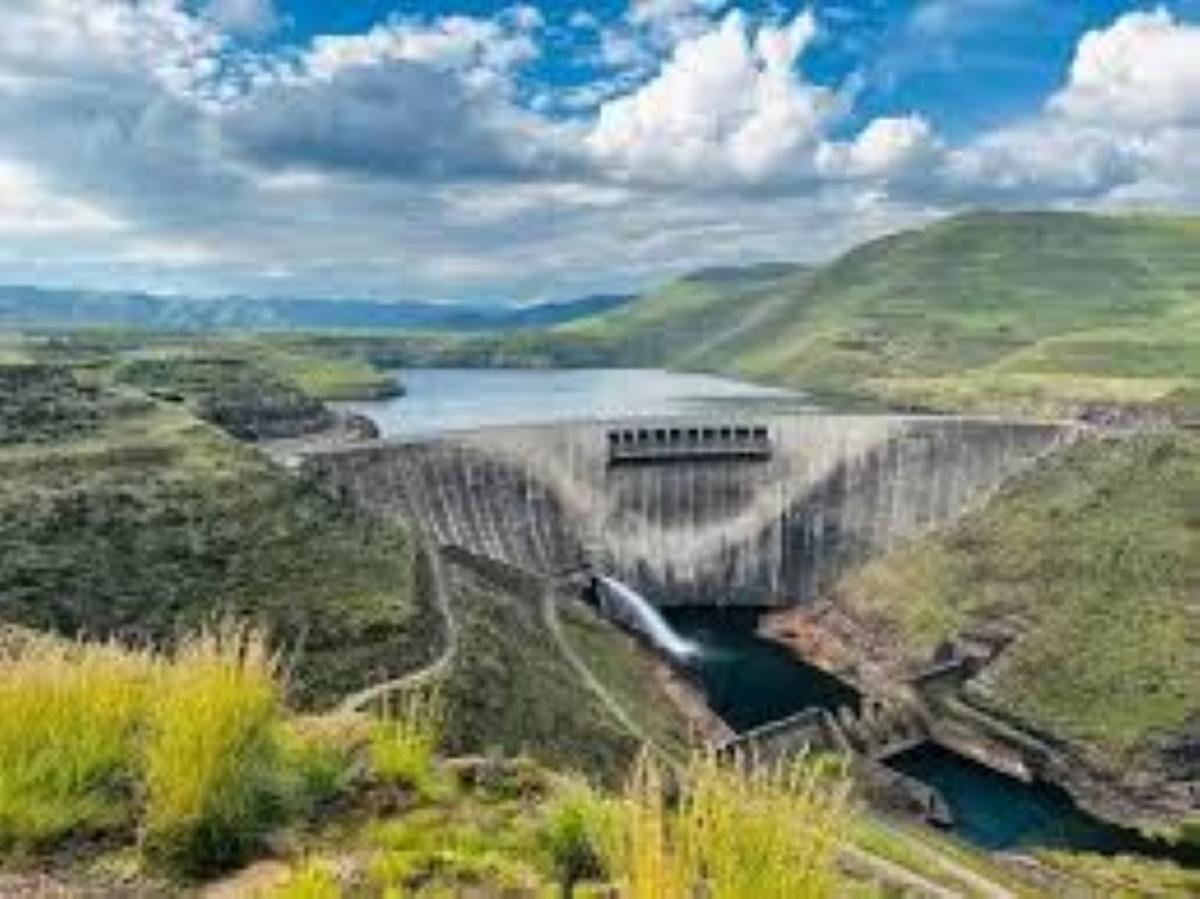
Kobong Hydropower and AI Data Center Project in Lesotho Signs US$6.2bn Deal with Convalt Energy
Why It Matters
By pairing clean energy with AI compute capacity, Lesotho can diversify its economy, create high‑skill jobs, and position itself as a low‑carbon digital hub in Southern Africa. The model could set a template for other resource‑rich African nations seeking tech‑driven growth.
Key Takeaways
- •$6.2bn investment includes 1,200 MW pumped‑storage plant.
- •Project pairs renewable power with AI data‑center to ensure low‑carbon compute.
- •Lesotho aims to become regional hub for digital infrastructure and export revenues.
- •Financing, permitting and grid integration remain primary execution risks.
- •Success could generate high‑skill jobs and attract further tech investors.
Pulse Analysis
The Kobong initiative reflects a growing trend of coupling large‑scale renewable power with data‑center capacity, a combination that addresses two global pressures: the surge in AI workloads and the need for low‑carbon electricity. While hyperscale operators have traditionally gravitated toward established markets with reliable grids, Africa’s untapped hydro potential offers a compelling alternative. By embedding a 1,200 MW pumped‑storage facility directly into the data‑center’s power supply chain, Lesotho can guarantee the uninterrupted, green electricity that AI training clusters demand, potentially attracting multinational cloud providers seeking to offset carbon footprints.
For Lesotho, the $6.2 billion project represents more than infrastructure; it is a catalyst for economic diversification. The construction phase will require engineers, technicians and project managers, while the operational data centre will need data scientists, network specialists and cybersecurity experts. These high‑skill roles can stem brain drain and stimulate local education programs. Moreover, the export of surplus renewable electricity to neighboring grids could generate a new revenue stream, bolstering the nation’s balance of payments and reinforcing its strategic position in the Southern African Power Pool.
Nevertheless, the venture faces steep hurdles. Securing the full financing package, navigating hydrological and environmental permits, and upgrading transmission lines are all critical path items that could delay or derail the project. Grid integration, in particular, must ensure that the pumped‑storage output aligns with the data centre’s variable demand profile. If Lesotho can overcome these challenges, the Kobong model may inspire similar renewable‑energy‑backed digital hubs across the continent, accelerating Africa’s participation in the global AI economy.
Kobong Hydropower and AI Data Center Project in Lesotho Signs US$6.2bn Deal with Convalt Energy
Comments
Want to join the conversation?
Loading comments...