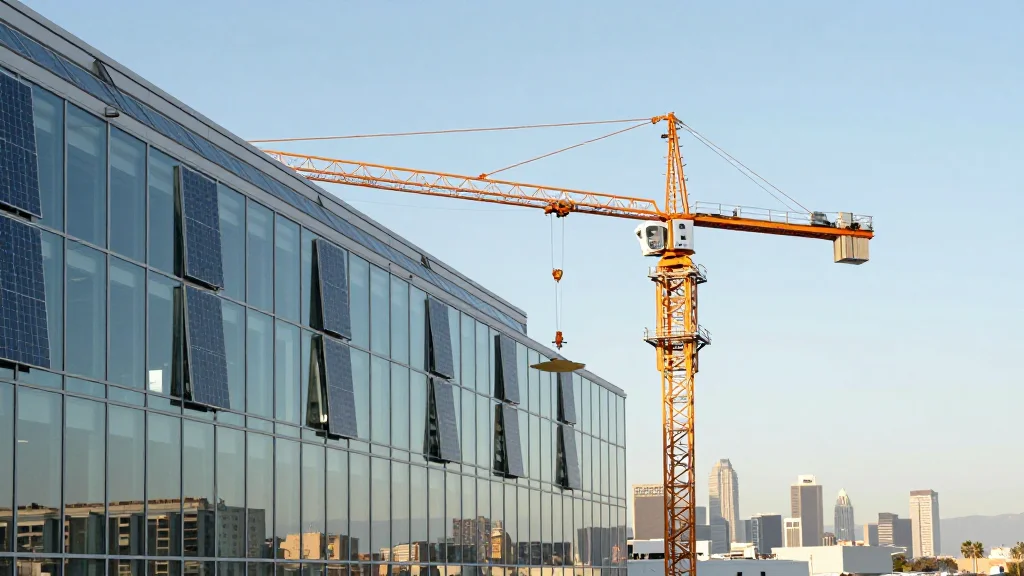
Los Angeles’s Future-Thinking Strategy for 2028 Olympic Venues
Why It Matters
By focusing on reuse and permanent upgrades, LA reduces construction costs and avoids post‑Games white‑elephant venues, delivering lasting economic and infrastructure benefits for the region.
Key Takeaways
- •LA reuses existing venues, avoiding new construction for 2028 Games
- •IOC prioritizes legacy, pushing host cities toward sustainable venue upgrades
- •LAX upgrades like MSC North and ConRAC improve long‑term capacity
- •UCLA housing serves athletes, then returns to student use post‑Games
- •Modernized venues boost downtown economy and create lasting community benefits
Pulse Analysis
The International Olympic Committee has shifted its host‑city criteria toward legacy‑driven projects, rewarding cities that can demonstrate lasting value beyond the Games. Los Angeles embraces this philosophy by treating its Olympic plan as a long‑term urban improvement program rather than a temporary spectacle. By retrofitting iconic sites—such as the Convention Center’s flexible exhibition halls, Crypto.com Arena’s fan‑experience upgrades, and Dodger Stadium’s operational enhancements—the city ensures these assets remain competitive in the global entertainment market while meeting Olympic standards.
Transportation and airport infrastructure form another pillar of LA’s strategy. Recent projects at LAX, including the Midfield Satellite Concourse North and the Consolidated Rent‑A‑Car facility, expand gate capacity, streamline vehicle flow, and integrate with the upcoming Automated People Mover. These upgrades not only accommodate the surge of international visitors for the 2028 Games but also address chronic congestion for everyday travelers, reinforcing a "transit‑first" approach that aligns with broader sustainability goals. Complementary improvements to roadways and public transit further embed Olympic‑era enhancements into the city’s daily mobility network.
Beyond logistics, the economic ripple effect of venue modernization is profound. Upgraded facilities generate higher occupancy rates for conventions, concerts, and sports events, driving hotel bookings, restaurant revenue, and job creation in downtown Los Angeles. The temporary conversion of UCLA’s new residence halls into an Olympic Village showcases a dual‑use model that maximizes public investment without displacing community needs. Collectively, these initiatives illustrate how a legacy‑focused Olympic blueprint can transform a host city into a more resilient, prosperous, and globally connected metropolis.
Los Angeles’s future-thinking strategy for 2028 Olympic venues
Comments
Want to join the conversation?
Loading comments...