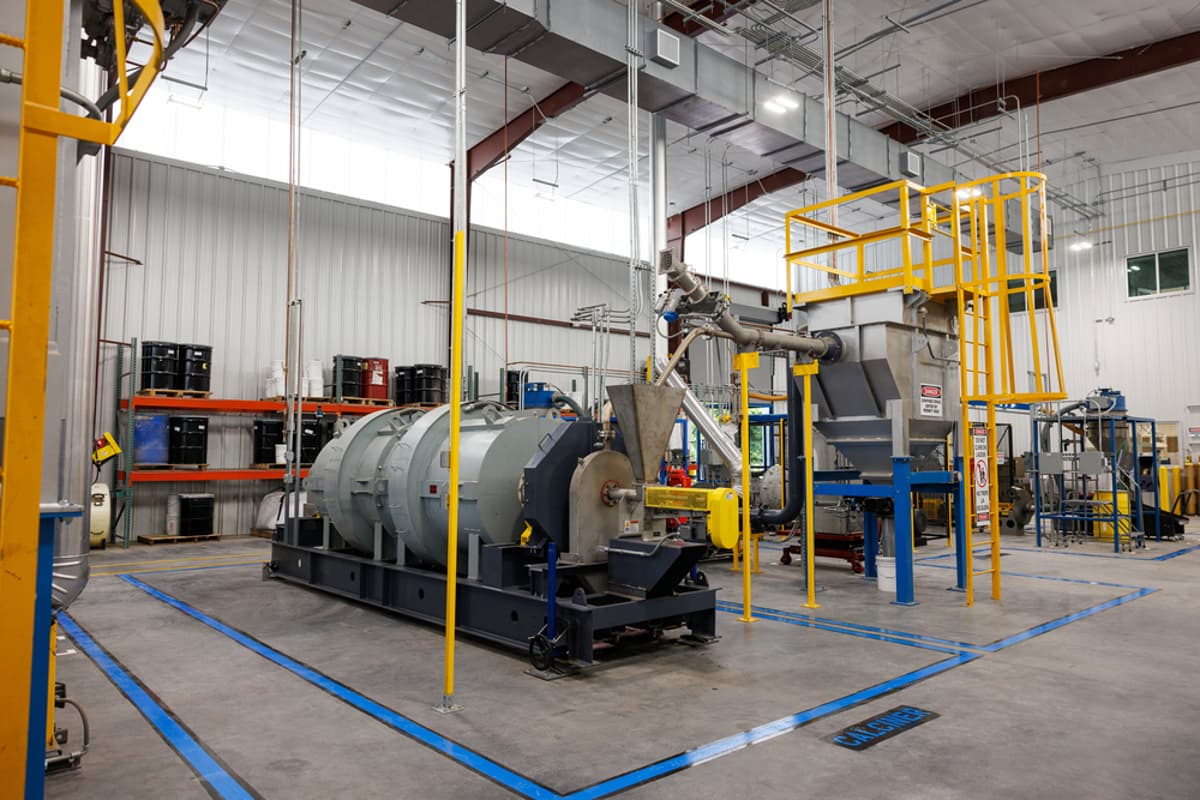
Lower-Carbon Cement Maker Invests in New Research and Test Facility. Is Sustainable Cement Taking Off?
Companies Mentioned
Why It Matters
The new center shortens the path from material innovation to field deployment, giving builders faster access to reliable, lower‑carbon cement options and strengthening CRH’s competitive edge in a decarbonizing market.
Key Takeaways
- •Eco Material Technologies opened 16,400‑sq‑ft research and pilot plant in Georgia
- •Facility integrates research, pilot production, and technical services under one roof
- •Focus on diversified SCMs like harvested ash, pozzolans, calcined clays
- •Goal: shorten innovation‑to‑deployment timeline and boost supply reliability
- •CRH aims to lead North American low‑carbon cement market
Pulse Analysis
Sustainable cement is moving from niche projects to mainstream construction as regulators and developers push for lower‑carbon footprints. CRH’s Eco Material Technologies leverages its new Georgia hub to test and scale a broad portfolio of supplementary cementitious materials (SCMs), including harvested fly ash, engineered pozzolans and calcined clays. By housing a ball mill, rotary dryer and carbon‑offloading system in a single 16,400‑square‑foot facility, the company can rapidly iterate mix designs, validate durability and generate performance data that de‑risk adoption for contractors and specifiers.
The integrated model shortens the traditional innovation cycle, which often spans years of separate lab work, pilot trials and field validation. With research, pilot production and technical support co‑located, engineers can move from concept to validated mix design in weeks rather than months. This speed is crucial for infrastructure projects that demand consistent material supply and proven performance, especially as municipalities upgrade roads, bridges and public buildings to meet stricter emissions standards.
Beyond speed, the facility underscores a strategic shift toward a diversified SCM ecosystem. Harvested ash and beneficiated slag offer scalable, low‑cost alternatives, while natural pozzolans and calcined clays provide regional performance benefits. By offering technical services alongside material production, CRH positions itself as a one‑stop partner, helping customers integrate low‑carbon blends into existing plants without major retrofits. This approach not only bolsters CRH’s market share in North America but also accelerates the broader industry transition toward greener concrete.
Lower-carbon cement maker invests in new research and test facility. Is sustainable cement taking off?
Comments
Want to join the conversation?
Loading comments...