Why It Matters
Enhanced safety regulations reduce deadly work‑zone incidents, lowering costs for contractors and improving public confidence in infrastructure projects. The combined federal and state push signals a broader industry shift toward protecting vulnerable road users.
Key Takeaways
- •Safe Roads for Those Who Serve Act introduced in Congress
- •ARTBA data shows average 118 work‑zone deaths per year (2014‑2023)
- •Alabama pilot fines $250 for speeding in work zones
- •Connecticut requires online work‑zone safety course for new drivers
- •West Virginia raises work‑zone speeding fines up to $1,000
Pulse Analysis
The Safe Roads for Those Who Serve Act, unveiled by Senators Cortez Masto and McCormick, reflects growing bipartisan urgency to address the persistent danger faced by roadside workers. By mandating comprehensive injury data collection and linking worker‑safety plans to federal infrastructure grants, the bill creates a feedback loop that could drive evidence‑based policy adjustments. Industry groups such as the American Road & Transportation Builders Association (ARTBA) and the Associated General Contractors of America have praised the proposal, noting that more granular data will help pinpoint high‑risk zones and allocate resources more efficiently.
State governments are translating federal momentum into concrete enforcement mechanisms. Alabama’s pilot program issues $250 tickets captured by license‑plate cameras, funneling revenue into a dedicated safety fund. Connecticut’s innovative approach requires every new driver to complete a free online work‑zone safety course, embedding awareness early in driver education. West Virginia has escalated fines to $1,000 for egregious speed violations and increased potential jail time, while Oklahoma is moving toward automated speed‑capture devices. These measures not only deter reckless driving but also generate data that can refine future legislation and technology deployments.
The cumulative impact of these initiatives extends beyond immediate injury reduction. Safer work zones lower insurance premiums for contractors, reduce project delays caused by accidents, and improve public perception of infrastructure projects. As more states adopt technology‑driven enforcement and education, a national culture of heightened vigilance around construction sites is emerging. Continued collaboration between federal lawmakers, state agencies, and industry stakeholders will be essential to sustain momentum and ensure that the lives of the workers who keep America’s roads moving are protected.
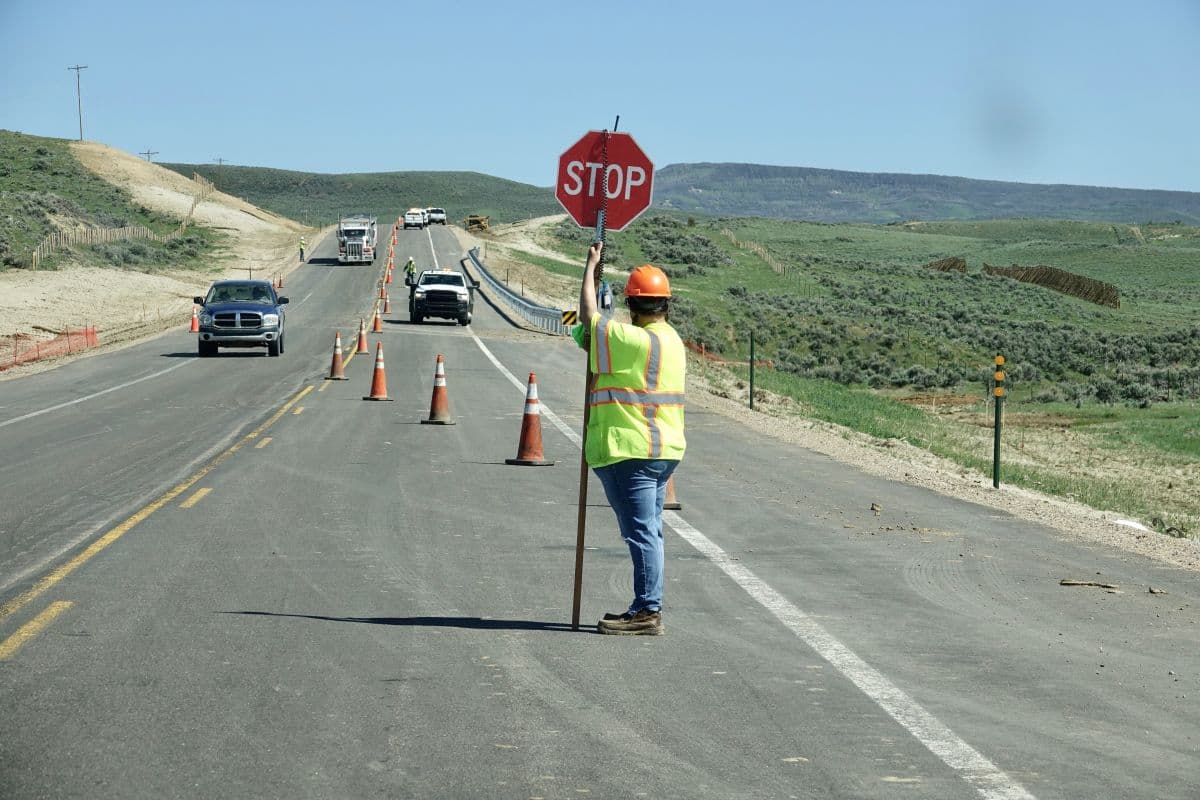
Making Work Zones Safer
Comments
Want to join the conversation?
Loading comments...