McDermott Eyes $130 Billion Projects Pipeline over Next Two Years
Why It Matters
The $130 billion pipeline could significantly boost McDermott’s revenue and earnings, positioning the contractor as a key player in the global energy transition. It also signals heightened investment in large‑scale, low‑carbon infrastructure across high‑growth regions.
Key Takeaways
- •McDermott targets $130 billion in contracts through 2028
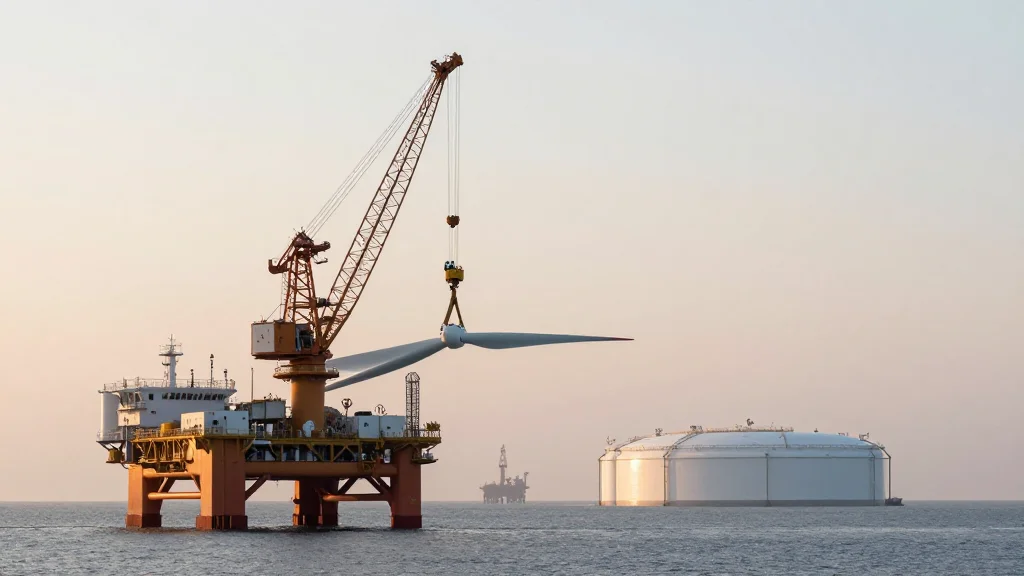
- •Pipeline includes LNG, offshore wind, and petrochemical projects
- •Growth driven by rising energy demand in Middle East and Asia
- •Company expects double-digit earnings expansion
- •Strategic focus on low‑carbon infrastructure
Pulse Analysis
McDermott International’s $130 billion project outlook arrives at a pivotal moment for the global energy sector. After a period of subdued capital spending, oil‑and‑gas contractors are seeing renewed demand driven by rising consumption in Asia and the Middle East, as well as government‑backed low‑carbon initiatives. McDermott’s historic strength in offshore construction and its recent investments in digital engineering give it a competitive edge to capture large contracts that require both traditional hydrocarbon expertise and emerging clean‑energy capabilities.
The announced pipeline is diversified across three core segments: liquefied natural gas (LNG) export terminals, offshore wind farms, and integrated petrochemical complexes. LNG projects, especially in Qatar and Oman, promise long‑term feedstock for Asian power markets, while offshore wind developments off the coasts of Saudi Arabia and India align with regional decarbonisation targets. Petrochemical ventures, often co‑located with LNG facilities, leverage economies of scale and provide higher margins. Financing these megaprojects will likely involve a mix of export credit agencies, sovereign wealth funds, and green bond structures, reflecting the industry’s shift toward sustainable capital sources.
For investors and industry observers, McDermott’s ambitious backlog signals a broader acceleration of infrastructure spending as governments chase net‑zero goals without abandoning reliable energy supplies. Competitors such as Technip Energies and Saipem will need to match McDermott’s integrated service model and its ability to secure financing in a tightening credit environment. If the company delivers on its earnings expectations, it could see a notable uplift in stock valuation, while also reinforcing the contractor’s role in shaping the next generation of energy infrastructure.
McDermott eyes $130 billion projects pipeline over next two years
Comments
Want to join the conversation?
Loading comments...