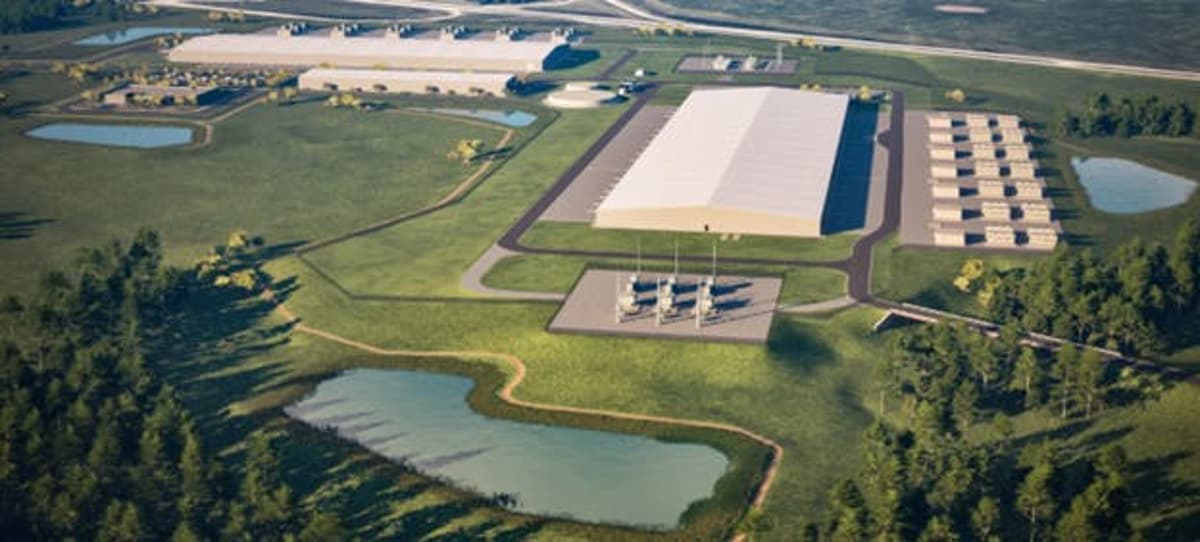
Meta Announces $1 Billion AI Data Center in Tulsa with Water Sustainability Goals
Companies Mentioned

Why It Matters
The project underscores the growing water‑intensity of AI infrastructure and sets a benchmark for corporate water‑positive commitments, influencing industry standards and regional economic development.
Key Takeaways
- •Meta invests $1 billion in Tulsa AI data center
- •Facility will span two million square feet, supporting AI workloads
- •Partnership aims to save over 50 million gallons water annually
- •Up to 1.5 GW clean energy planned for on‑site power
- •PhyTech's sensor tech will restore more water than consumed
Pulse Analysis
AI data centers are becoming the new powerhouses of the digital economy, demanding both massive electricity and cooling water. Meta's $1 billion Tulsa campus, slated to cover two million square feet, reflects this trend, with projected energy use approaching 1 GW per facility. By earmarking up to 1.5 GW of clean‑energy capacity, Meta signals a shift toward greener power sources, yet the cooling requirements for GPUs remain a critical environmental hurdle that many operators are still grappling with.
Water stewardship is emerging as a decisive factor for tech giants, and Meta’s partnership with PhyTech illustrates a proactive approach. The 10‑year collaboration leverages satellite‑based sensor technology to monitor and restore water in local watersheds, aiming to offset more than 50 million gallons annually—potentially exceeding the data center’s consumption. This aligns with Meta’s 2030 water‑positive goal and could set a precedent for other AI‑intensive firms to embed water‑positive metrics into their sustainability roadmaps.
Beyond environmental considerations, the Tulsa project carries significant economic implications for the Midwest. Construction led by Fortis Construction will generate jobs and stimulate ancillary services, while the promised clean‑energy capacity may attract further renewable investments to the region. As competitors like Google and Microsoft expand their AI infrastructure, Meta’s emphasis on water restoration could become a differentiator, prompting industry peers to adopt similar stewardship models to meet investor and regulatory expectations.
Meta Announces $1 Billion AI Data Center in Tulsa with Water Sustainability Goals
Comments
Want to join the conversation?
Loading comments...