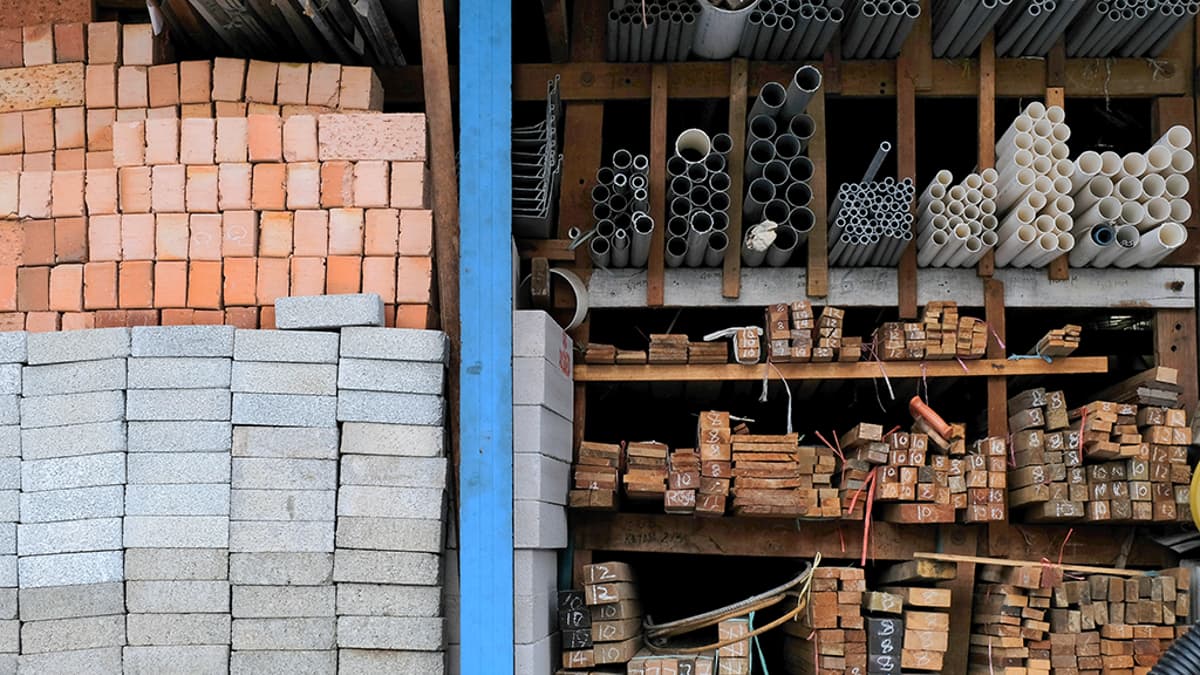
Middle East Conflict Heightens Construction Cost Uncertainty Says T&T Economist
Why It Matters
The outlook signals tighter margins for Canadian builders and could reshape procurement strategies as inflation, energy volatility, and trade policy intersect. Understanding these dynamics is crucial for firms planning to bid on stimulus‑driven infrastructure projects.
Key Takeaways
- •Middle East conflict adds uncertainty to 2026 construction material costs
- •Turner & Townsend forecasts 2.5% bid‑price inflation for 2026
- •Labour slack, not demand, drives current construction market softness
- •Rising oil prices could pressure equipment and logistics expenses
- •Upcoming USMCA tariff talks may affect future material pricing
Pulse Analysis
The ongoing Middle East conflict has rippled through global commodity markets, pushing oil prices higher and creating a volatile backdrop for construction firms worldwide. Energy‑intensive projects feel the impact directly through increased fuel costs for machinery and indirectly via higher logistics expenses. For Canadian developers, this external shock compounds existing supply‑chain constraints, prompting a reassessment of material procurement strategies and risk buffers.
Domestically, Turner & Townsend’s latest Canada Market Intelligence report paints a nuanced picture. While a 2.5% bid‑price inflation is projected for 2026, the forecast is tempered by a softer demand environment and notable labour market slack. Skilled trades such as mechanical and electrical remain tight, driving localized cost pressures, whereas unskilled labour pools are more plentiful, limiting overall wage growth. This divergence means project owners must prioritize talent‑focused cost controls while leveraging the current inventory surplus to mitigate material price spikes.
Looking ahead, the sector faces two additional variables: a wave of federal stimulus spending on infrastructure and the looming renegotiation of the US‑Mexico‑Canada Agreement (USMCA). Increased public investment could revive demand, potentially translating price increases into higher bid totals. Conversely, uncertainty around future tariffs adds a strategic layer for procurement teams, who must balance short‑term cost containment with long‑term supply‑chain resilience. Firms that adapt quickly—by diversifying suppliers, adjusting scopes, and closely monitoring energy markets—will be better positioned to protect margins in an unpredictable environment.
Middle East conflict heightens construction cost uncertainty says T&T economist
Comments
Want to join the conversation?
Loading comments...