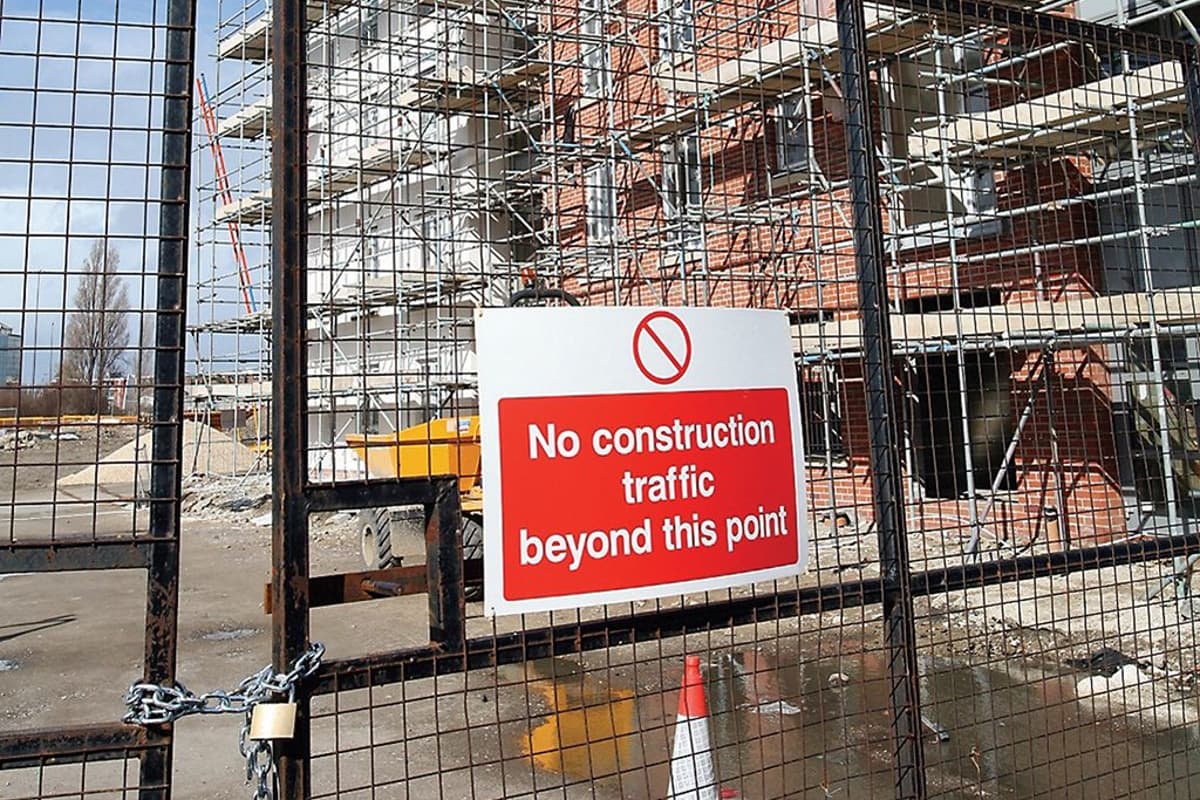
Monthly Construction Insolvencies Exceed 300
Why It Matters
The surge highlights tightening margins for construction SMEs and threatens to dampen the UK’s broader economic recovery, given the sector’s role in housing and infrastructure delivery.
Key Takeaways
- •February saw 301 construction insolvencies, up 9% from January.
- •Specialist contractors comprised over half of the failures.
- •Construction remains top insolvency sector at 17% of total.
- •Energy costs and supply‑chain strains forecast more defaults.
- •Experts predict insolvency trend will stay elevated.
Pulse Analysis
The Insolvency Service’s latest figures show 301 construction‑related firms liquidated or placed into administration in February, nudging the sector’s monthly total above the 300‑mark for the first time this year. While the tally represents a modest 9% increase from January, it remains a sixth lower than the 367 cases recorded in February 2025, suggesting a tentative easing after a peak last year. Over the past twelve months, 3,851 construction companies have folded, down from 4,050 a year earlier, yet the industry still accounts for 17% of all company insolvencies across England and Wales, outpacing wholesale and retail.
Analysts point to a confluence of macro‑economic pressures driving the trend. Ongoing Middle‑East tensions have lifted energy and fuel prices, while global supply‑chain bottlenecks continue to inflate material costs. Coupled with the Bank of England’s stubbornly high inflation—still above its 2% target—these factors erode profit margins for construction SMEs, many of which operate with thin order books and delayed project payments. Fiscal drag from frozen tax thresholds and reduced reliefs further squeezes cash flow, leaving firms vulnerable to cash‑flow shocks and increasing the likelihood of liquidation or administration.
The outlook remains cautious. While government infrastructure commitments and long‑term planning reforms could provide a backstop, uncertainty around geopolitical developments and cost pressures persists. Construction firms must prioritize liquidity preservation, renegotiate supplier terms, and seek diversified revenue streams to weather the downturn. Policymakers may need to consider targeted relief—such as temporary tax deferrals or supply‑chain subsidies—to stabilize the sector, which is critical for housing delivery and broader economic growth.
Monthly construction insolvencies exceed 300
Comments
Want to join the conversation?
Loading comments...