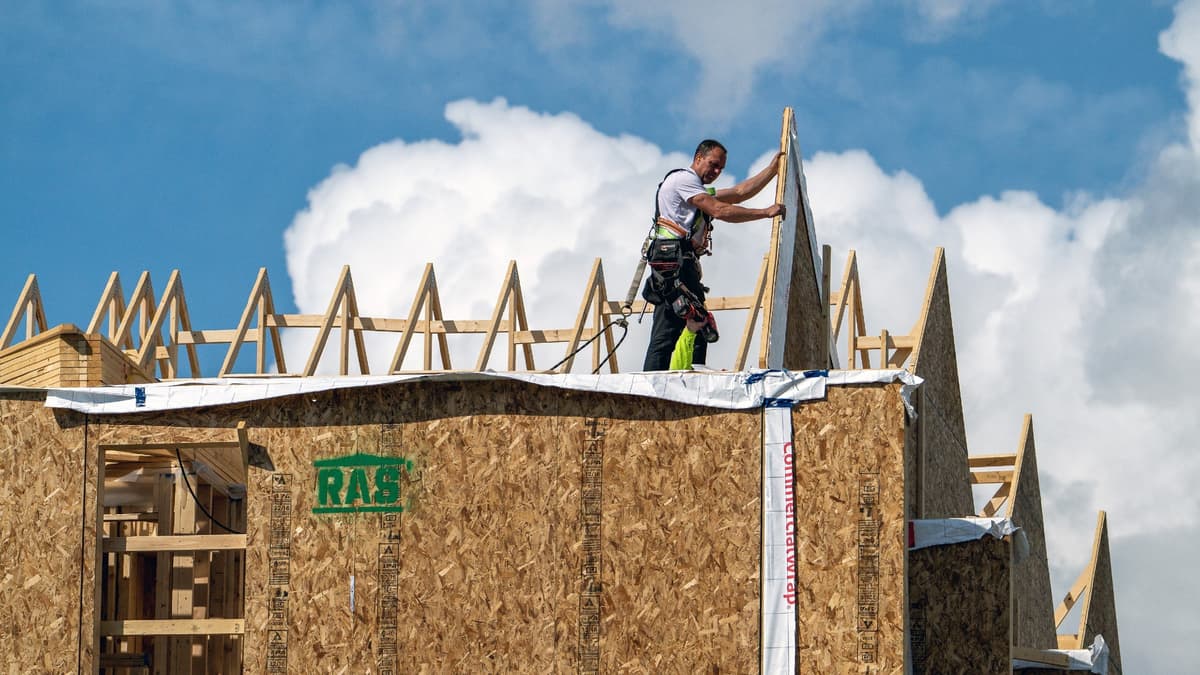
More Young People Eye Construction Jobs as AI Comes for Knowledge Work
Companies Mentioned
Why It Matters
The surge in trade interest directly addresses a critical labor gap in housing and emerging AI infrastructure, positioning the construction sector as a growth engine for the U.S. economy. It also signals a broader workforce shift as automation reshapes career expectations.
Key Takeaways
- •Interest in construction trades among 18‑25s doubled since 2016
- •NAHB projects need for 2.2 million skilled workers in three years
- •AI growth spurs demand for trades, especially data‑center infrastructure
- •Competitive pay and skill development attract 73% and 65% of youths
- •52% of undecided young adults would consider trades for higher wages
Pulse Analysis
The United States faces a stark housing deficit—over four million units—driving an unprecedented demand for construction labor. NAHB’s projection of 2.2 million new skilled workers needed within three years underscores a structural shortage that could stall new home builds and exacerbate affordability pressures. While wages in the trades already outpace many entry‑level white‑collar roles, the sector’s appeal is expanding as young adults recognize the financial stability and clear career pathways that apprenticeships provide.
Simultaneously, the rapid expansion of artificial intelligence is reshaping perceptions of job security. Knowledge‑intensive professions such as accounting, law, and academia are increasingly vulnerable to automation, prompting a reevaluation of career risk among the next generation. AI‑heavy projects, particularly the construction of massive data centers, are creating a surge in demand for electricians, HVAC engineers, and robotics technicians—roles that remain largely irreplaceable by machines. Industry leaders like Jensen Huang and Togal.AI’s Patrick Murphy highlight this trend, framing the trades as the most AI‑proof employment avenue.
The convergence of labor scarcity and AI‑driven market dynamics presents both challenges and opportunities. Policymakers and trade associations must accelerate apprenticeship pipelines, expand funding for vocational education, and promote the high‑pay, benefits‑rich nature of skilled trades. Companies investing in AI infrastructure should partner with trade schools to ensure a steady supply of qualified workers. For investors and business leaders, the growing trade workforce represents a resilient segment poised to support the nation’s housing recovery and the next wave of digital infrastructure development.
More Young People Eye Construction Jobs as AI Comes for Knowledge Work
Comments
Want to join the conversation?
Loading comments...