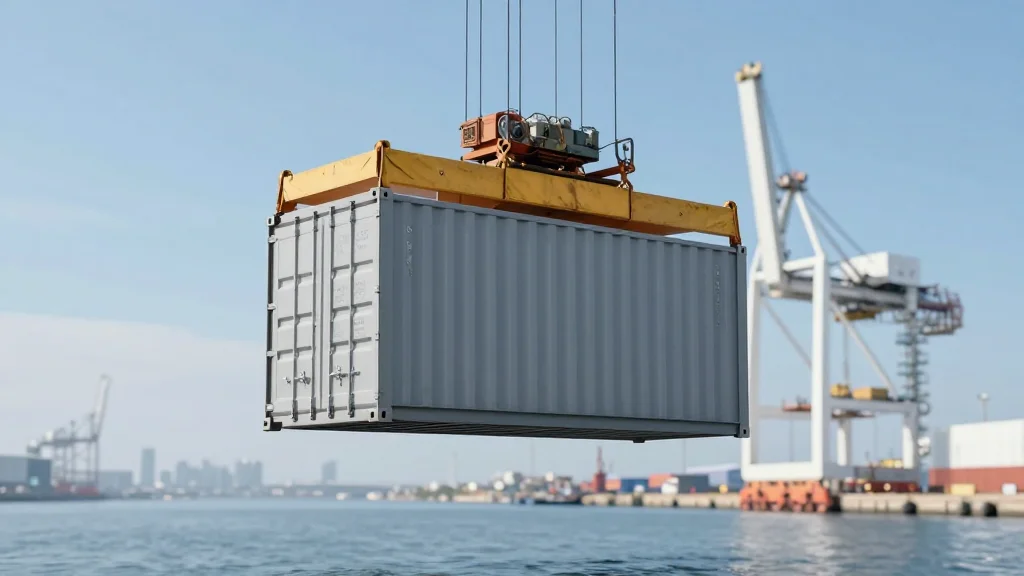
MSC, Tradepoint Begin Work on First Private US Terminal in Decades
Why It Matters
The terminal adds much‑needed private capital to a historically public‑dominated U.S. port system, boosting capacity and competition at a key East Coast gateway. It positions Baltimore to capture a larger share of trans‑Atlantic container traffic, supporting supply‑chain resilience.
Key Takeaways
- •MSC and Tradepoint break ground on Sparrows Point Container Terminal.
- •First privately built U.S. container terminal in 40 years.
- •Terminal aims to boost North American container capacity for MSC.
- •Project supported by Maryland governor and U.S. senator.
- •Expected to create jobs and enhance Baltimore port competitiveness.
Pulse Analysis
The United States has relied on publicly owned or publicly‑partnered container terminals for most of the past four decades, limiting the pace of infrastructure upgrades. Private developers have been hesitant to enter a market dominated by entrenched port authorities and complex regulatory frameworks. MSC’s partnership with Tradepoint Atlantic breaks that pattern, injecting private‑sector efficiency and financing into Baltimore’s historic port, a move that could inspire similar projects along the East Coast.
For MSC, the Sparrows Point Container Terminal is a strategic asset in its global network. The carrier has faced capacity constraints at existing U.S. terminals, especially as trade volumes rebound after pandemic disruptions. By securing a dedicated terminal, MSC can control yard operations, improve vessel turnaround times, and offer shippers more reliable service windows. The facility is expected to handle millions of TEUs annually, directly feeding the carrier’s growing service portfolio between Europe, the Middle East, and North America.
Baltimore stands to gain significant economic upside. The terminal’s construction will generate thousands of construction jobs, while long‑term operations will create permanent positions in logistics, maintenance, and customs processing. Enhanced terminal capacity also strengthens the city’s appeal to manufacturers and importers seeking faster access to the Atlantic market. State and federal officials have highlighted the project as a catalyst for regional growth, aligning with broader initiatives to modernize U.S. port infrastructure and reduce supply‑chain bottlenecks. As the terminal progresses, it could reshape cargo flows, drawing volume away from congested hubs like New York and Savannah.
MSC, Tradepoint begin work on first private US terminal in decades
Comments
Want to join the conversation?
Loading comments...