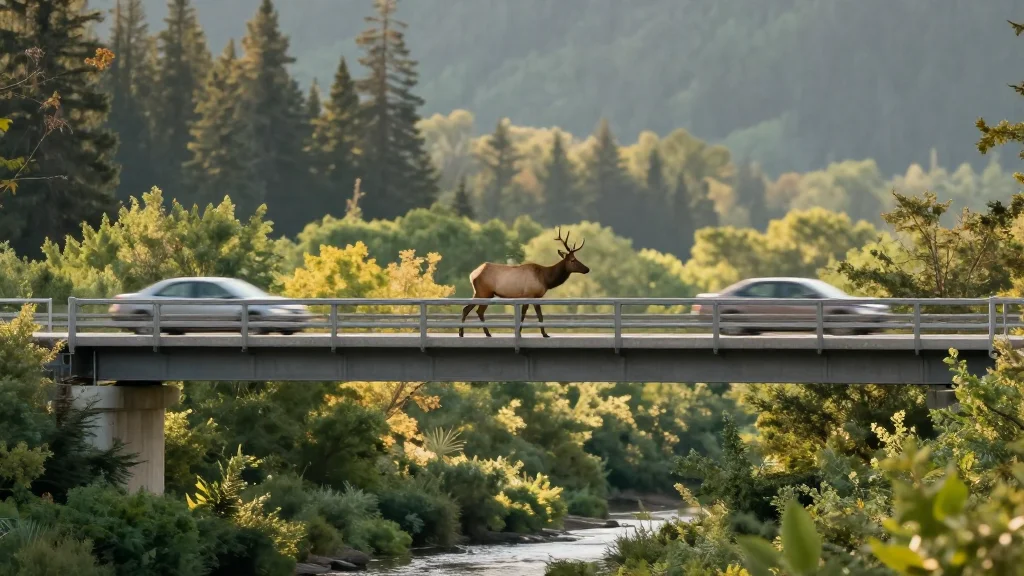
National Parks Traveler Podcast Episode 370 | Wildlife Crossings
Why It Matters
Reducing collisions saves lives, protects biodiversity, and avoids billions in property damage, making wildlife crossings a critical public‑safety and environmental investment.
Key Takeaways
- •Wildlife-vehicle collisions cause ~200 deaths, 26,000 injuries annually in U.S.
- •Crossings can cut collisions by up to 97%.
- •2021 Infrastructure Law allocated $350 M for crossings over five years.
- •NPCA seeks $200 M yearly funding to sustain and expand program.
Pulse Analysis
Every year, thousands of motorists across the United States encounter wildlife on highways, leading to tragic fatalities, injuries, and costly vehicle damage. The economic impact runs into the billions when accounting for emergency response, medical expenses, and lost productivity, while the ecological cost includes the loss of keystone species such as elk, mountain lions, and even turtles. As traffic volumes rise and habitats become fragmented, the urgency for engineered solutions grows, positioning wildlife crossings as a pragmatic response to a multifaceted safety and conservation challenge.
Studies consistently demonstrate that well‑designed overpasses, underpasses, and fencing can reduce wildlife‑vehicle collisions by up to 97 percent. Early installations in places like Banff National Park and the I‑70 corridor have already shown dramatic drops in animal mortality and associated accidents. The 2021 Bipartisan Infrastructure Law recognized this potential, allocating $350 million over five years to fund crossing projects nationwide. However, that grant pool is set to expire, leaving a financing gap that could stall momentum just as more states consider similar infrastructure.
Looking ahead, the National Parks Conservation Association and partners such as ARC Solutions are lobbying for a permanent $200 million annual budget to maintain and expand the crossing network. Securing stable funding would not only preserve wildlife corridors but also generate long‑term savings for taxpayers by preventing costly crashes. Moreover, the construction and maintenance of crossings create jobs in engineering, ecology, and construction, delivering economic benefits that extend beyond the environmental sphere. As policymakers weigh infrastructure priorities, the case for wildlife crossings is increasingly anchored in both public safety and fiscal prudence.
National Parks Traveler Podcast Episode 370 | Wildlife Crossings
Comments
Want to join the conversation?
Loading comments...