Natural Sand Supply in Latin America Tightens
Companies Mentioned
Why It Matters
Higher sand costs erode profit margins for construction firms and can delay critical infrastructure projects, reshaping the regional building‑materials market. The shift toward manufactured sand also accelerates capital spending on crushing and screening facilities, altering the competitive landscape.
Key Takeaways
- •Latin American sand producers face stricter environmental permits.
- •River dredging bans cut natural sand output by 15% YoY.
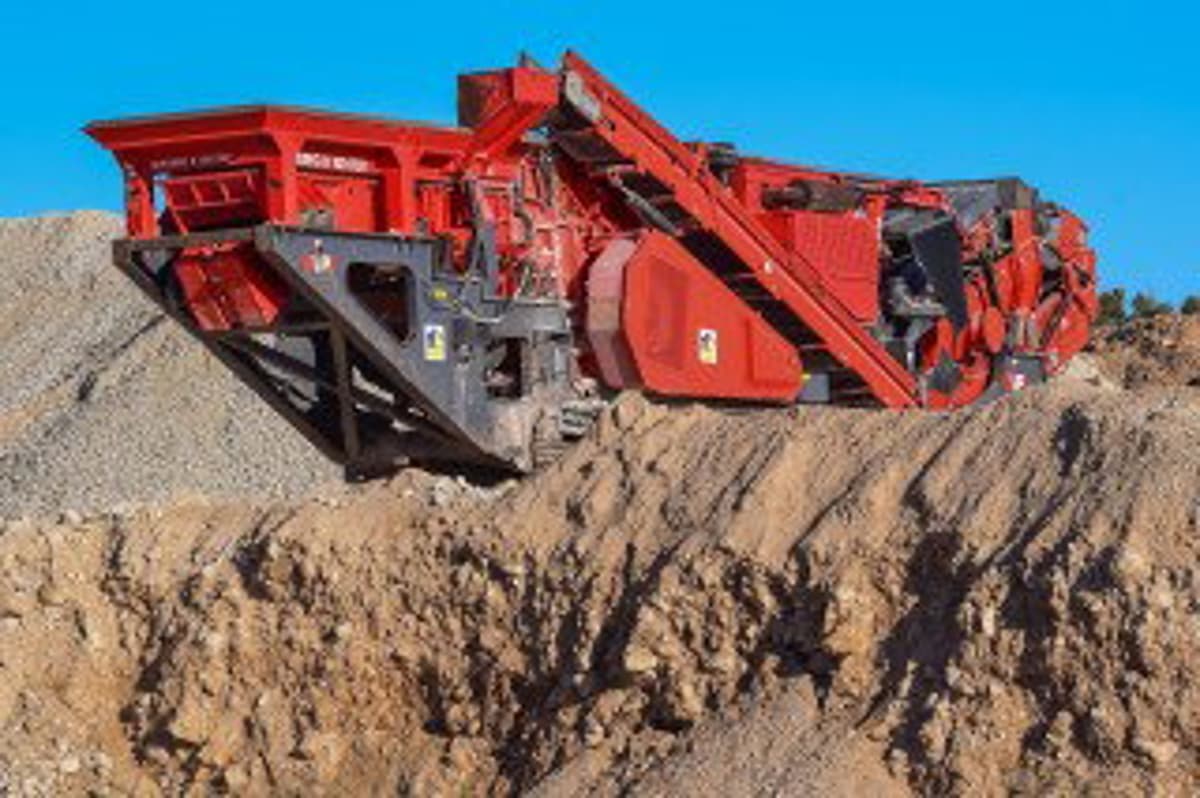
- •Construction firms turn to manufactured sand, raising processing costs.
- •Sand price spikes threaten infrastructure project budgets across the region.
- •Logistics bottlenecks add 10-15% freight surcharge to sand shipments.
Pulse Analysis
The tightening of natural sand supplies in Latin America reflects a confluence of policy and environmental pressures. Countries such as Brazil, Chile and Mexico have tightened permitting processes for river extraction, citing habitat preservation and sediment flow concerns. Simultaneously, climate‑related flooding has prompted authorities to limit dredging activities, curbing the volume of sand that can be legally harvested. These measures, while beneficial for ecosystems, have reduced the region’s output by an estimated 15% compared with the previous year, tightening a market already strained by rapid urbanization.
Construction firms are feeling the pinch as sand price indices climb 20‑30% above pre‑tightening levels. To keep projects on schedule, many developers are shifting to manufactured sand (M‑sand), produced by crushing quarry rock. Although M‑sand meets most technical specifications, the additional crushing, washing and grading steps raise unit costs by 8‑12% and require new plant investments. Logistics also become more complex; with fewer natural sand shipments, freight routes are congested, adding a 10‑15% surcharge on transport. These cost pressures are prompting contractors to renegotiate contracts and explore alternative aggregates such as recycled concrete.
Looking ahead, analysts expect sand prices to remain elevated for at least the next 12‑18 months. Companies that secure long‑term supply agreements or invest early in M‑sand facilities will gain a competitive edge. Moreover, emerging recycling technologies that reclaim sand from demolition waste could alleviate some demand pressure, though scaling these solutions will take time. Policymakers are also weighing the economic impact of sand scarcity against environmental goals, suggesting a possible future where sustainable extraction quotas coexist with incentives for alternative aggregate production. Stakeholders that balance compliance, cost control, and innovation will be best positioned to navigate the evolving sand landscape.
Natural sand supply in Latin America tightens
Comments
Want to join the conversation?
Loading comments...