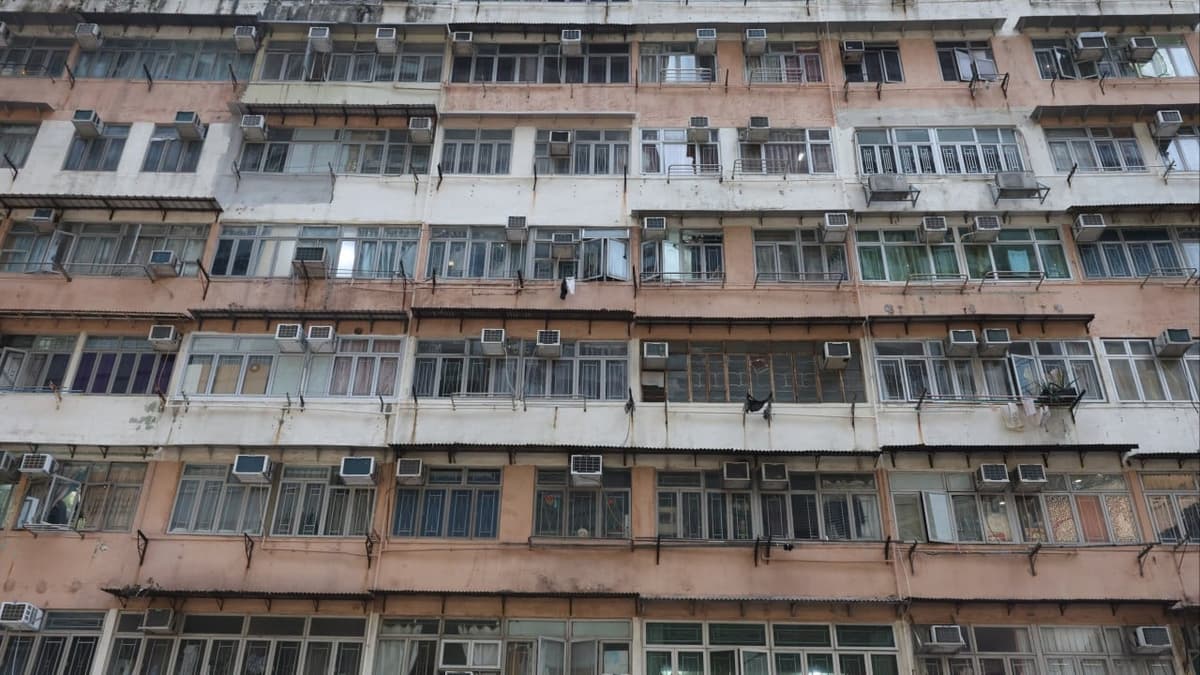
New Tactic on Water Seepage Can Help Keep Hong Kong Buildings Safe
Why It Matters
By accelerating leak detection and making owners financially accountable, the scheme aims to reduce property damage, improve public health, and set a precedent for stricter building‑maintenance enforcement in a densely populated market.
Key Takeaways
- •Pilot scheme notifies owners within 14 working days of suspected leak
- •Inspection costs of at least HK$17,000 (≈US$2,170) become owners' responsibility
- •Infrared thermography used early, speeding leak source identification
- •99% of seepage sources traced to upper‑floor flats in 2023 data
- •Faster enforcement aims to cut 71‑day repair lag, reducing damage
Pulse Analysis
Hong Kong’s vertical growth has outpaced the upkeep of its aging building stock, leaving water‑seepage a chronic nuisance for residents. In 2023, the joint Food and Environmental Hygiene and Buildings Department office logged roughly 15,600 complaints, with 99% of leaks originating from the flat directly above. The traditional enforcement route required a full on‑site examination, stretching the resolution timeline to an average of 71 days and often leaving tenants to cope with water damage and mold.
The new pilot scheme flips that model by issuing preliminary notification letters within two weeks of detecting a potential source. It also introduces electronic moisture meters and infrared thermography at the inspection stage, technologies previously reserved for later, more costly investigations. By assigning a minimum inspection charge of HK$17,000 (about US$2,170) to the responsible landlord, the program creates a direct financial incentive to act swiftly. Early adopters in other high‑density cities have shown that such cost‑shifting mechanisms can halve repair times and lower overall maintenance expenditures, suggesting Hong Kong could see similar efficiency gains.
Beyond water‑seepage, the initiative dovetails with broader policy moves, including the Urban Renewal Authority’s study of a statutory body for building restoration and recent legislation tightening standards for subdivided flats. If the pilot proves effective, regulators may expand the cost‑recovery model to address structural deterioration, façade failures, and other safety hazards. For investors and property managers, the shift signals a more rigorous compliance environment, prompting proactive asset‑management strategies to avoid penalties and protect building reputation in a market where safety is increasingly tied to financial performance.
New tactic on water seepage can help keep Hong Kong buildings safe
Comments
Want to join the conversation?
Loading comments...