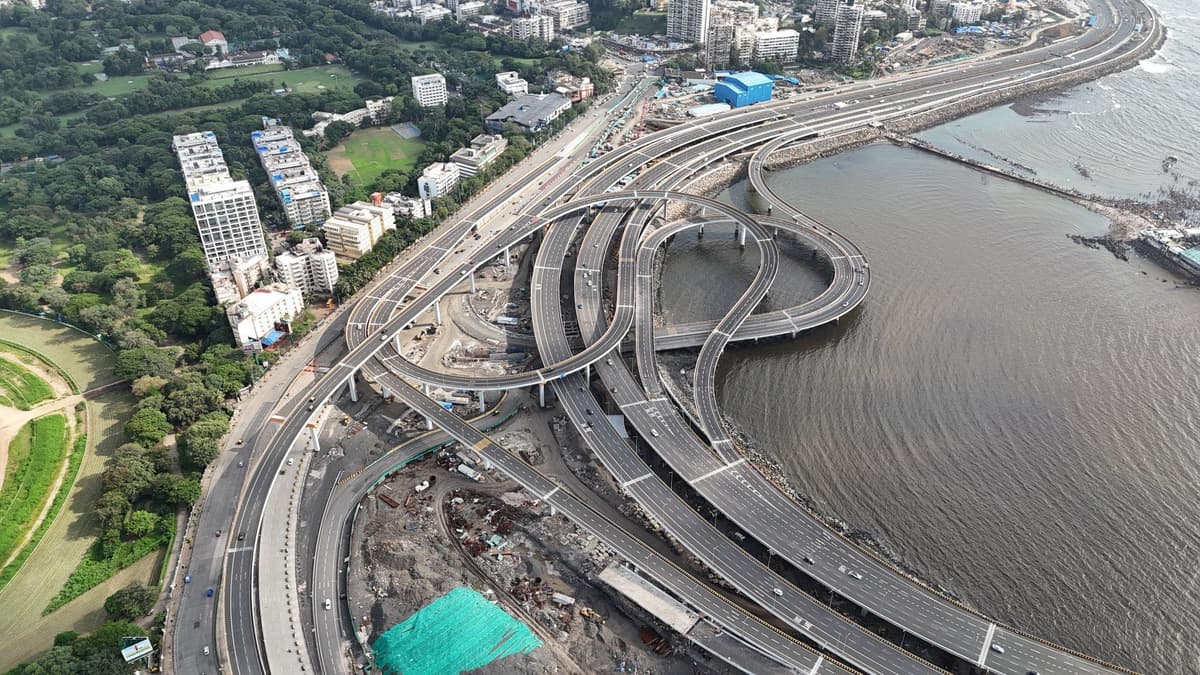
NHAI Finalises Highway Monetisation Plan for FY2026‑27
Why It Matters
By unlocking private capital, the plan accelerates expansion and modernisation of India’s national highway network, a critical driver of logistics efficiency and economic growth.
Key Takeaways
- •17 highway stretches, 1,692.5 km, slated for FY2026‑27 monetisation
- •Assets span nine states, covering key economic corridors
- •Monetisation via Toll‑Operate‑Transfer and Infrastructure Investment Trust models
- •Strategy aims to unlock private capital and accelerate network modernization
Pulse Analysis
India’s highway sector is entering a new financing era as NHAI finalises a FY2026‑27 monetisation roadmap. The agency identified 17 high‑traffic corridors, totalling nearly 1,700 kilometres, that will be packaged for private investors through TOT and InvIT frameworks. These mechanisms have proven effective in other markets, allowing operators to collect tolls while transferring ownership risks to seasoned fund managers. By standardising the process, NHAI aims to create a transparent pipeline that reduces transaction friction and aligns long‑term revenue streams with institutional capital expectations.
For investors, the announcement signals a sizable, low‑risk entry point into India’s infrastructure landscape. TOT deals typically grant concessionaires toll‑collection rights for 15‑30 years, delivering predictable cash flows tied to traffic volumes. InvITs, on the other hand, offer a listed vehicle that aggregates multiple highway assets, providing liquidity and diversified exposure. Together, they broaden the investor base—from sovereign wealth funds to domestic pension schemes—enhancing the depth of capital available for future projects. The clear asset list also enables bidders to conduct granular due‑diligence, refining financial models and competitive bids.
Beyond financing, the monetised corridors intersect key economic and logistics hubs, from the industrial belt of Haryana to the manufacturing clusters of Karnataka and Tamil Nadu. Upgrading these routes will cut transit times, lower freight costs, and bolster supply‑chain resilience across the subcontinent. As the government pushes for a 200,000‑kilometre highway network by 2030, the FY2026‑27 monetisation batch serves as a catalyst, demonstrating how public‑private collaboration can accelerate infrastructure delivery while preserving fiscal prudence.
NHAI Finalises Highway Monetisation Plan for FY2026‑27
Comments
Want to join the conversation?
Loading comments...